Maiko Experience in Kyoto: What to Expect
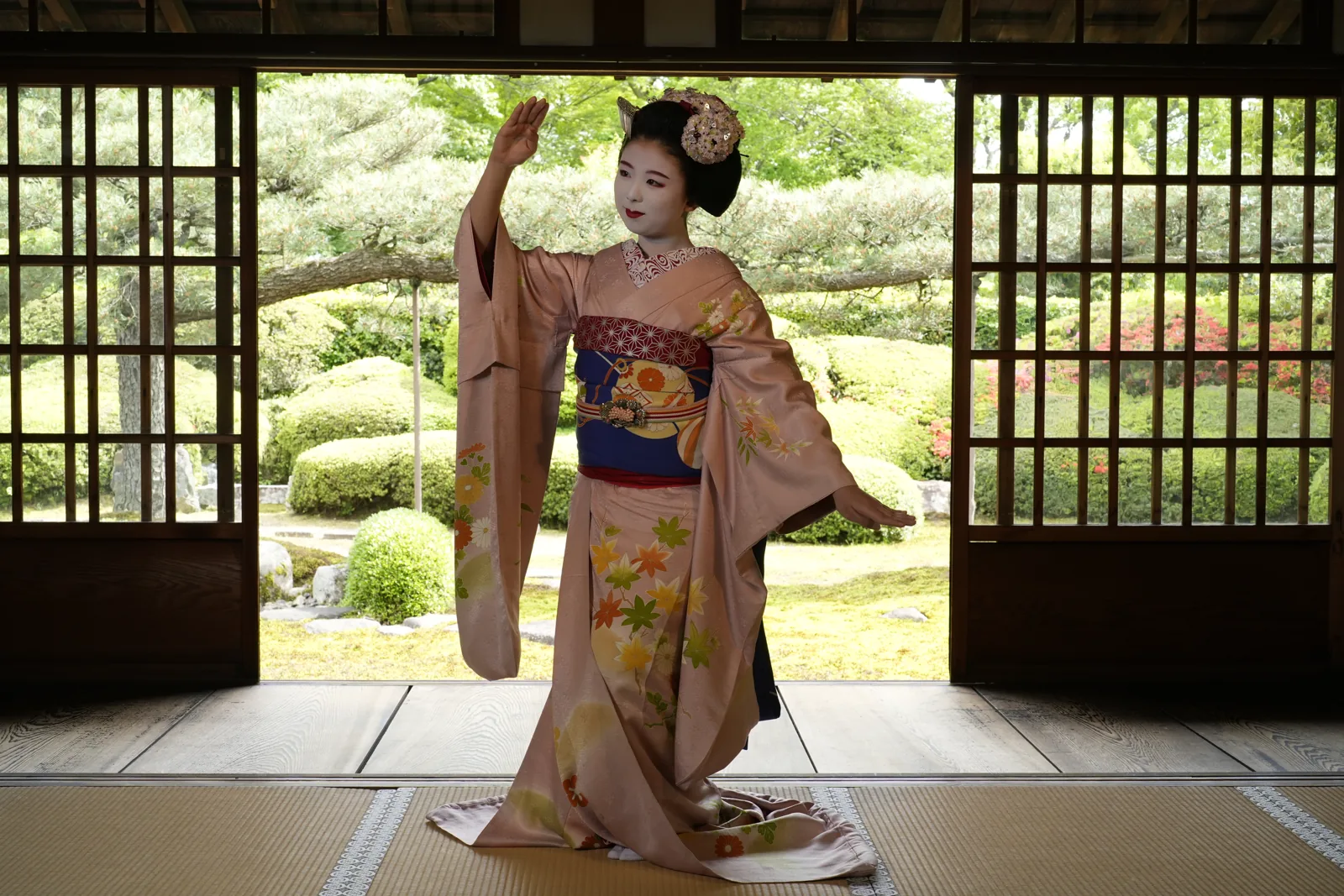
We operate the Maiko & Zen Kyoto experience mentioned in this guide.
Many maiko experiences in Kyoto follow the same shape: a welcome, one or more dances, and then, depending on the format, time to talk, photos, and tea or a meal. At a theater performance you watch from your seat instead. Some experiences include an English-speaking guide or interpreter and some do not.
This guide walks through that day step by step, then covers how talking with a maiko works, what to wear and check before you go, and what you notice when you see her in person. In the last part, we describe one temple-hall session as an example.
What Happens, Step by Step
The order and the length vary from one format to another, but a session where you sit with a maiko often runs like this.
- A welcome. A host or guide introduces the maiko and explains how the time will run.
- The dance. The maiko performs one or more dances, accompanied by music. The word maiko means “dancing child,” and this is the heart of the visit, the part to watch quietly from your seat.
- Time to talk. In formats that include it, the maiko answers questions, often with a guide or interpreter helping.
- Photos. Some formats set aside a moment for photos, and the host explains when and how to take them.
- Tea or a meal. Depending on the format, tea and a sweet, or a full meal, is served before, during, or after the dance.
How It Differs by Format
| Format | Time to talk | Photos with a maiko | Tea or food | Group size | Typical length | Price per person (as of Oct 2026) |
|---|---|---|---|---|---|---|
| Theater performance (spring and autumn dances, evening shows) | Usually not | At some shows | Tea with some tickets | A theater audience | About 1 hour | Roughly 4,000–8,000 yen |
| Tea and dance at a venue | Varies by operator | Varies | Tea and a sweet | Often a medium or large group | Varies by operator | Roughly 7,000–22,000 yen |
| Dinner banquet (ozashiki) | Yes, over the meal | Varies | A full meal | Varies with the number of guests | 2–3 hours | Roughly 38,000–80,000 yen |
A dinner banquet can also include traditional party games. Traditional ochaya generally accept guests introduced by existing patrons, but travelers can sometimes join one through the concierge of a top hotel or ryokan or a plan arranged by a travel agency. A maiko makeover is something else again: studios dress visitors in kimono and white makeup for photos, which is different from meeting a maiko.
When you compare listings, look at what each part includes, not only the total length, so you know how much of the time is the dance and how much is conversation.
Talking With a Maiko
A maiko speaks Japanese, and during her training she learns the Kyoto dialect along with dance and manners. Some experiences aimed at visitors include an English-speaking guide or interpreter, and some do not, so check each listing.
With a guide, the conversation goes more smoothly when you keep each question short and ask one at a time. The guide passes your question to the maiko and brings her answer back to you, so leave a little pause after each one.
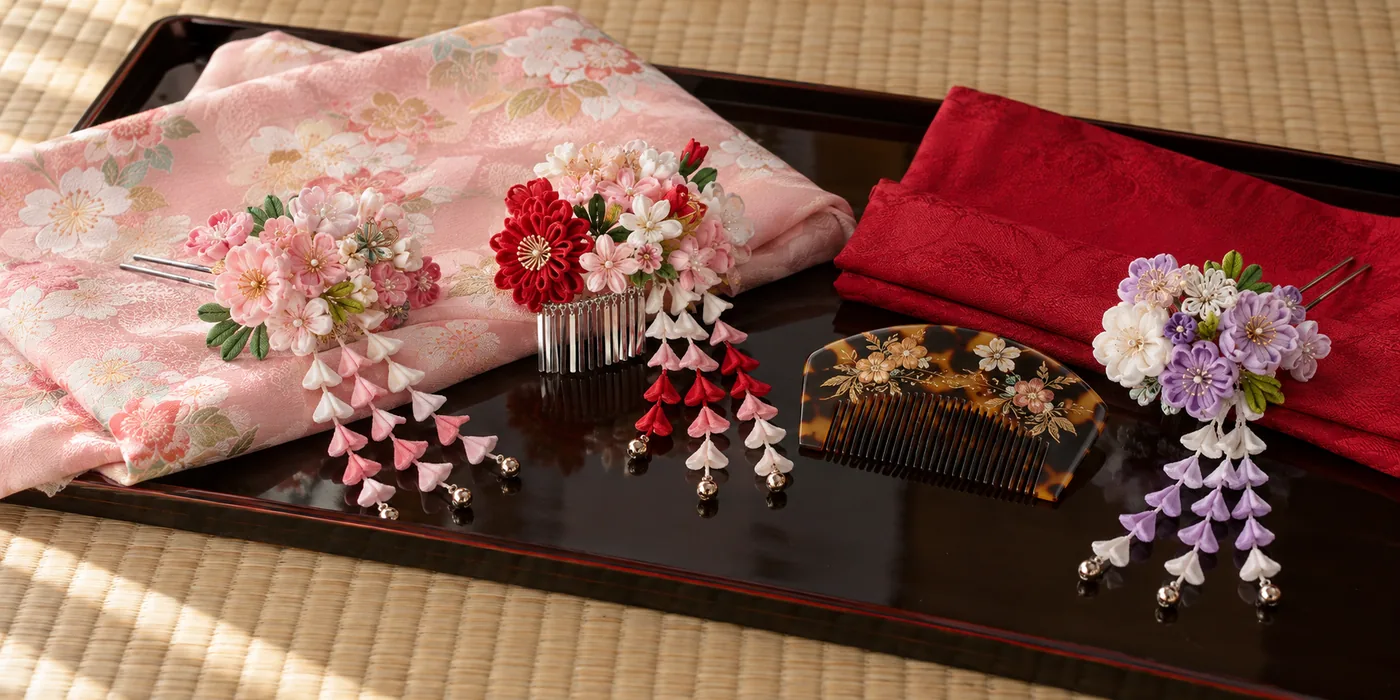
Good questions start with what you noticed: the weight of the kimono, the seasonal kanzashi in her hair, or how she walks in okobo. Questions about her art and training tend to get the warmest answers. Leave out personal ones, such as her age or family.
Before You Go
What to Wear
Neat, comfortable clothes are a good choice for visitors. Many rooms where a maiko performs have tatami floors, and you take off your shoes before you step in, so wear clean socks and shoes that are easy to slip on and off. Avoid very tight clothing, and if sitting on the floor is difficult for you, ask the venue before you go.
Etiquette in Three Points
Three habits cover most situations: stay quiet and in your seat during the dance, wait for the host or guide to say when photos are welcome, and never touch the maiko or put an arm around her. Our maiko etiquette guide explains the rest, from greeting her to saying thank you.
Check Before You Book
- Length of the whole program, and how much of it is dance and how much is conversation
- Price for each guest; our comparison of maiko experiences in Kyoto shows how prices differ by format
- Age rule, if you travel with children (see below)
- Group size
- Photo time, and whether photos with the maiko are included
- English support, from a guide or an interpreter
Book through the page of the experience you choose, and check its cancellation terms there.
With Children
Age rules differ widely from one experience to another. The Kyo Odori in spring 2026, for example, did not admit children under 10, so check the minimum age and whether children pay a different price before you book. A shorter program, or one with time to talk and take photos, is often easier for children to enjoy than a long one. If sitting on the floor for a while may be hard for your child, ask the venue before you go.
What You Notice Up Close
Kimono, Obi, and Hair
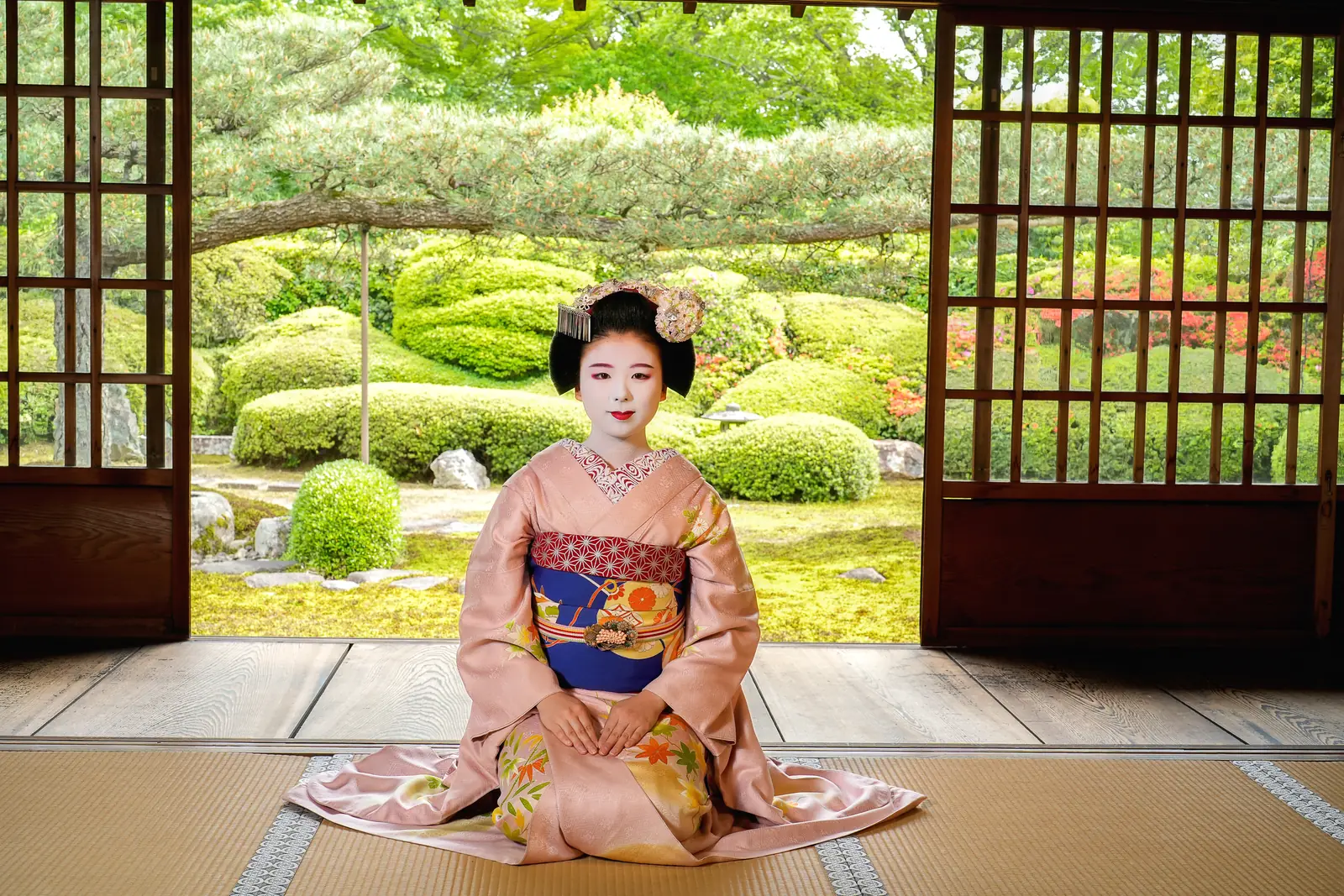
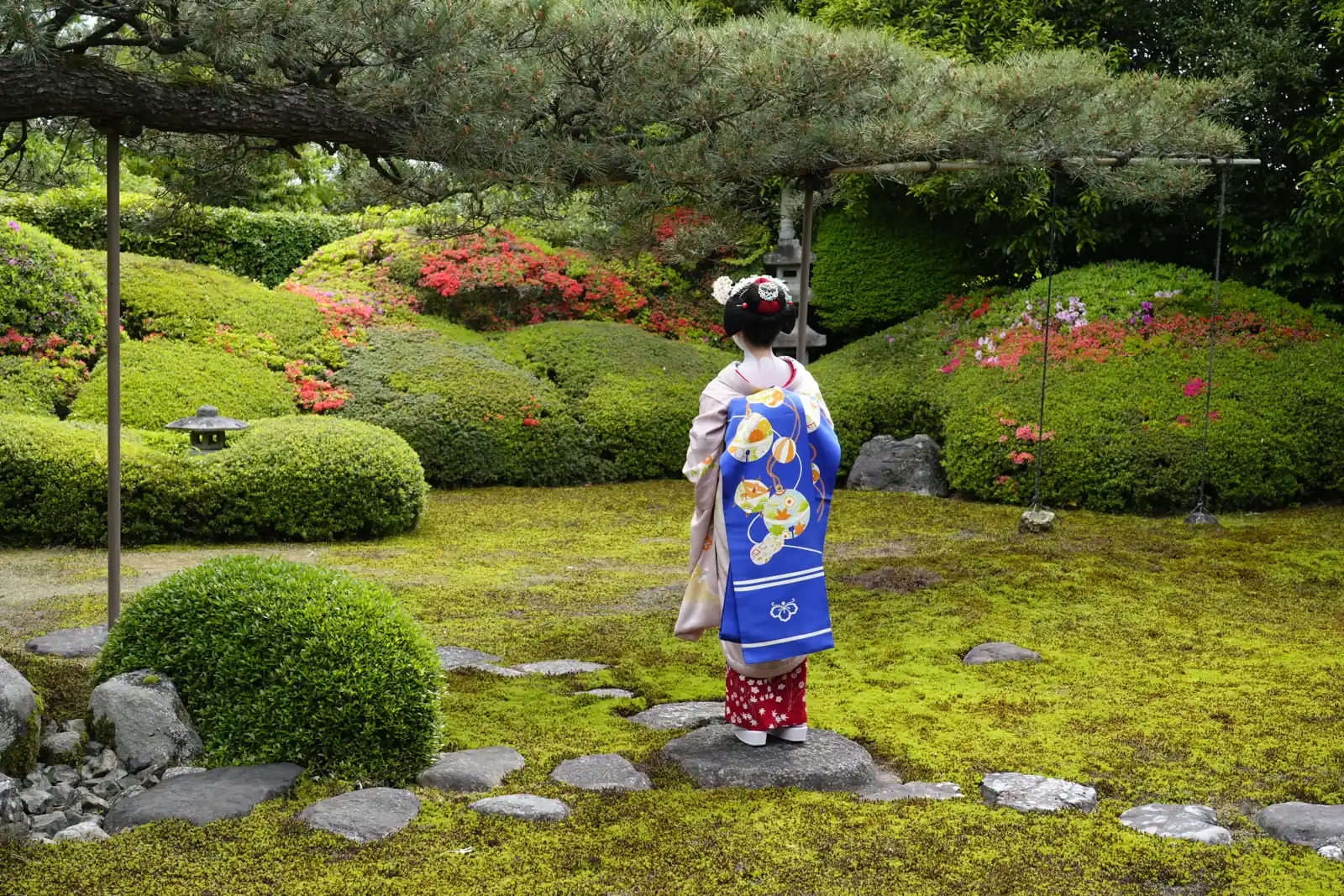
A maiko wears a furisode, a long-sleeved kimono with the shoulders and sleeves sewn up in tucks, and a darari obi, a hanging sash about 5 meters (16 ft) long that falls toward the ankles; during minarai, it is about half that length. Her hair is her own, styled in wareshinobu and, after about two years, in ofuku, and decorated with kanzashi hair ornaments that change with the season. Her okobo, tall wooden sandals, are about 10-15 cm (4-6 in.) high. Our guides to maiko hairstyles and kimono and maiko vs. geiko go further.
The White Makeup
From a short distance you see how the white base, the red accents, and the hair ornaments work together. That white face is oshiroi, a paste mixed with water and put on with a brush and a puff over a layer of bintsuke oil. She first learns the routine with help from the okaa-san or a senior. If your session includes time to talk, that is a good moment to ask about it.
Where Her Training Begins
A maiko typically starts after junior high school and spends about a year as a shikomi trainee and about a month as a minarai before her debut. Her dance reflects that daily practice. Our guide to what geisha do describes her work and training.
Each of Kyoto's five geisha districts has its own customs, and each holds its own public dances, such as the Miyako Odori in Gion Kobu and the Kyo Odori in Miyagawacho, so some details may differ from one district to another.
One Example: A Session at a Zen Temple
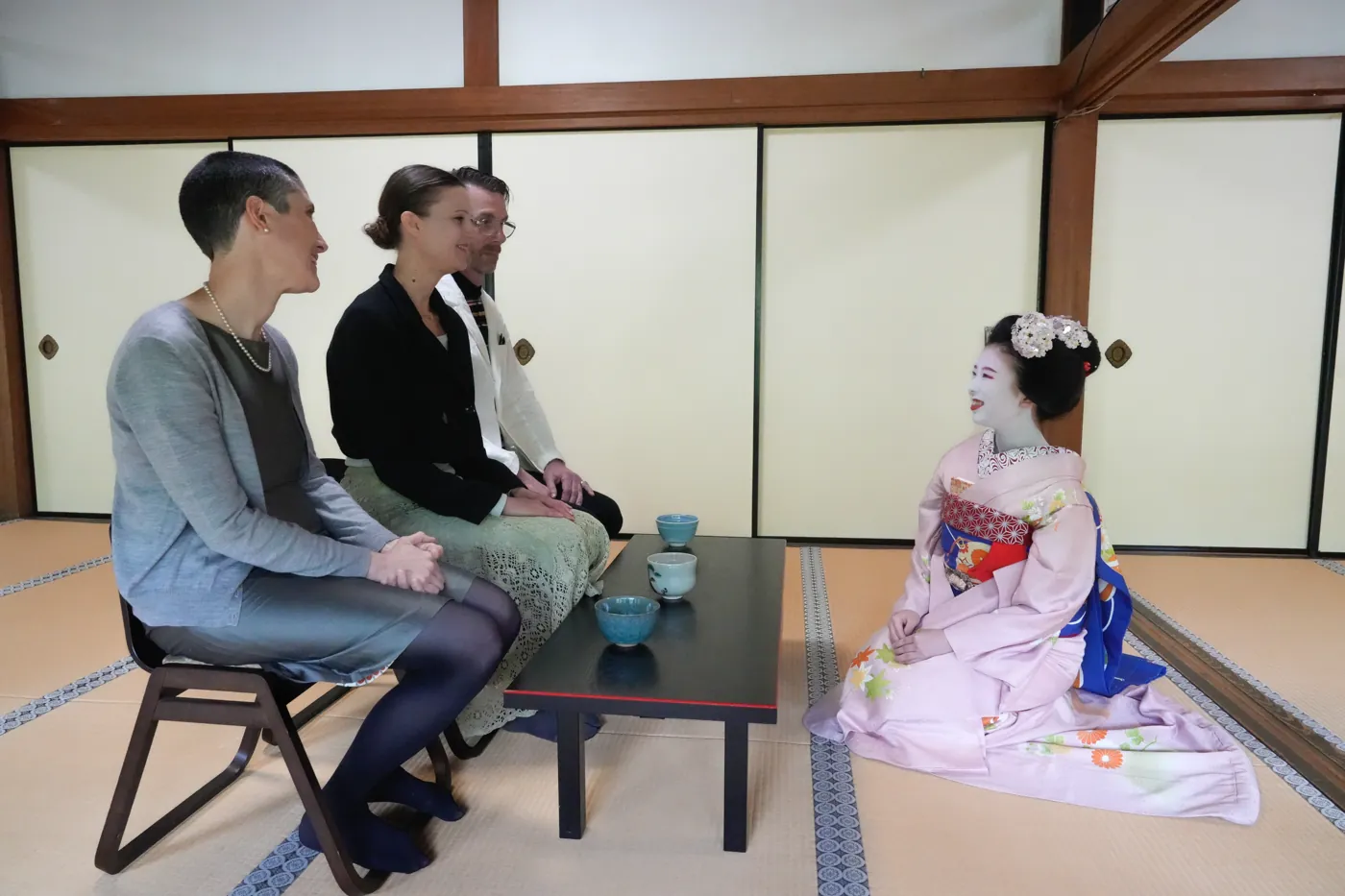
We operate Maiko & Zen Kyoto at Ikka-in, a sub-temple of Tofuku-ji that is rarely open to the public, and this example is our own session. Unlike a theater program, where you watch the dances from a seat, our session is a shared small group with an English-speaking guide, and after the dance there is time to talk with the maiko and take photos together. If a small group, unhurried time to talk, English support, and photos matter to you, it is built around those points; if you would rather have a full meal or an evening banquet, a dinner format suits you better.
The session runs in its own order:
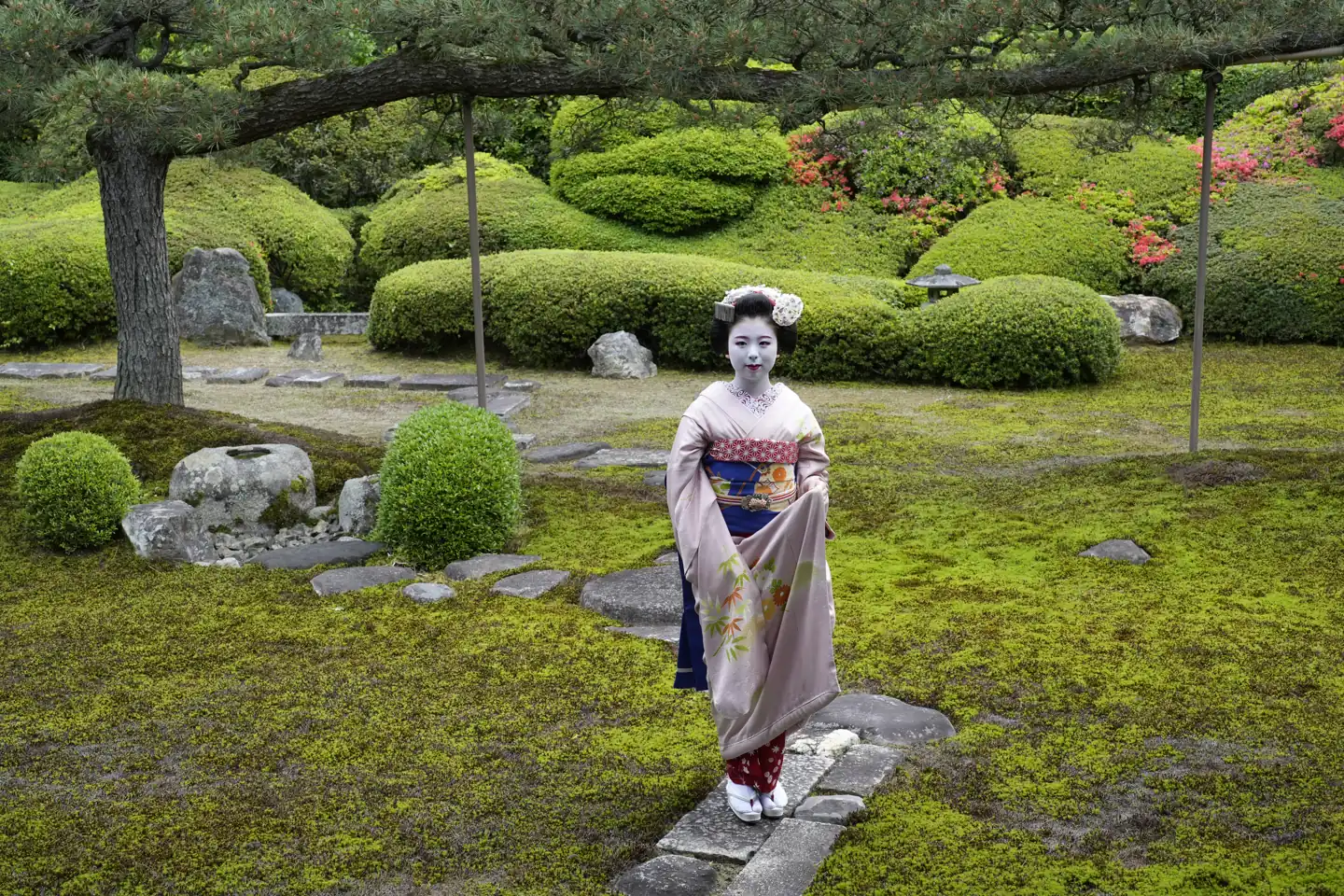
- A welcome from an English-speaking guide, in a shared small group.
- The Zen garden, where you rake patterns in the gravel.
- The dances, in the temple hall with no stage between the maiko and the guests, while you enjoy sencha and a sweet.
- Time to talk with the maiko, with the guide helping, and photos together.
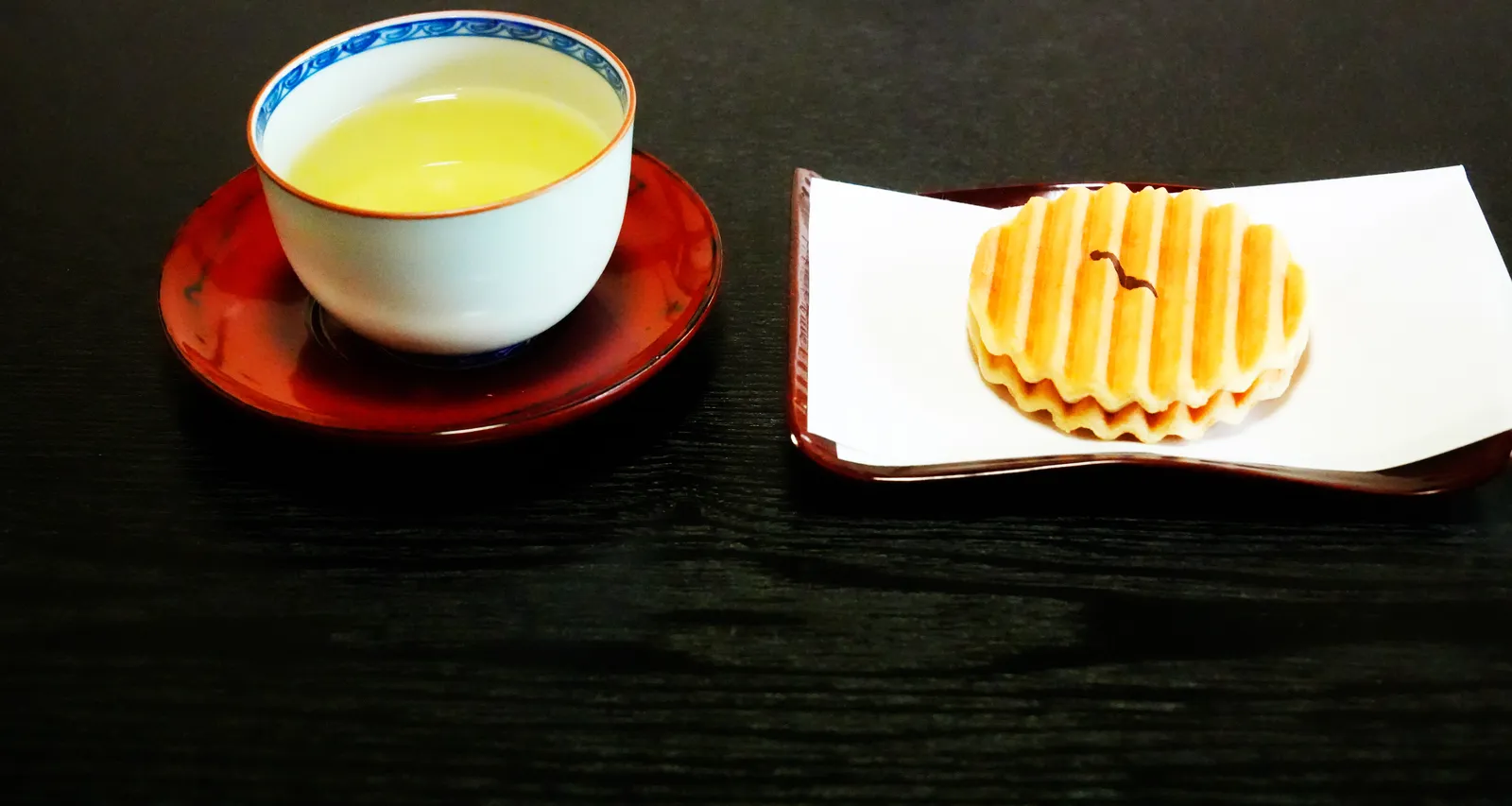
Sessions start at 2:00 pm and 3:30 pm and last 90 minutes, for 23,000 yen per person. Children aged 6 and older join at the same price as adults. Tofuku-ji is one stop from Kyoto Station on the JR Nara Line; our Tofuku-ji guide covers the temple and the walk from the station.
Plan Your Visit
See a maiko dance at a Zen temple. We operate Maiko & Zen Kyoto, a 90-minute session at Ikka-in, a sub-temple of Tofuku-ji, where a maiko dances in the same temple hall with no stage between you, then takes time for your questions and photos. See current session times and prices.
Frequently asked questions
How long does a maiko experience last?
It depends on the format. A theater program runs about an hour, while a dinner banquet with a maiko can last two to three hours. Check how long the whole program lasts on the page of the experience you choose.
What should I wear?
Wear neat, comfortable clothes and clean socks, because many rooms have tatami floors where you take off your shoes.
Can I take photos with a maiko?
It depends on the format. Theater performances rarely include photos with a maiko, while some smaller sessions set aside time for photos. The host or guide tells you when photos are welcome.
What can I ask a maiko?
Questions about her dance, her kimono, the seasonal kanzashi in her hair, and her training lead to the warmest answers. Leave out personal questions such as her age or family.
Can children join?
Each experience sets its own age rule; the Kyo Odori in spring 2026, for example, did not admit children under 10. Check the minimum age on the page of the experience you choose.
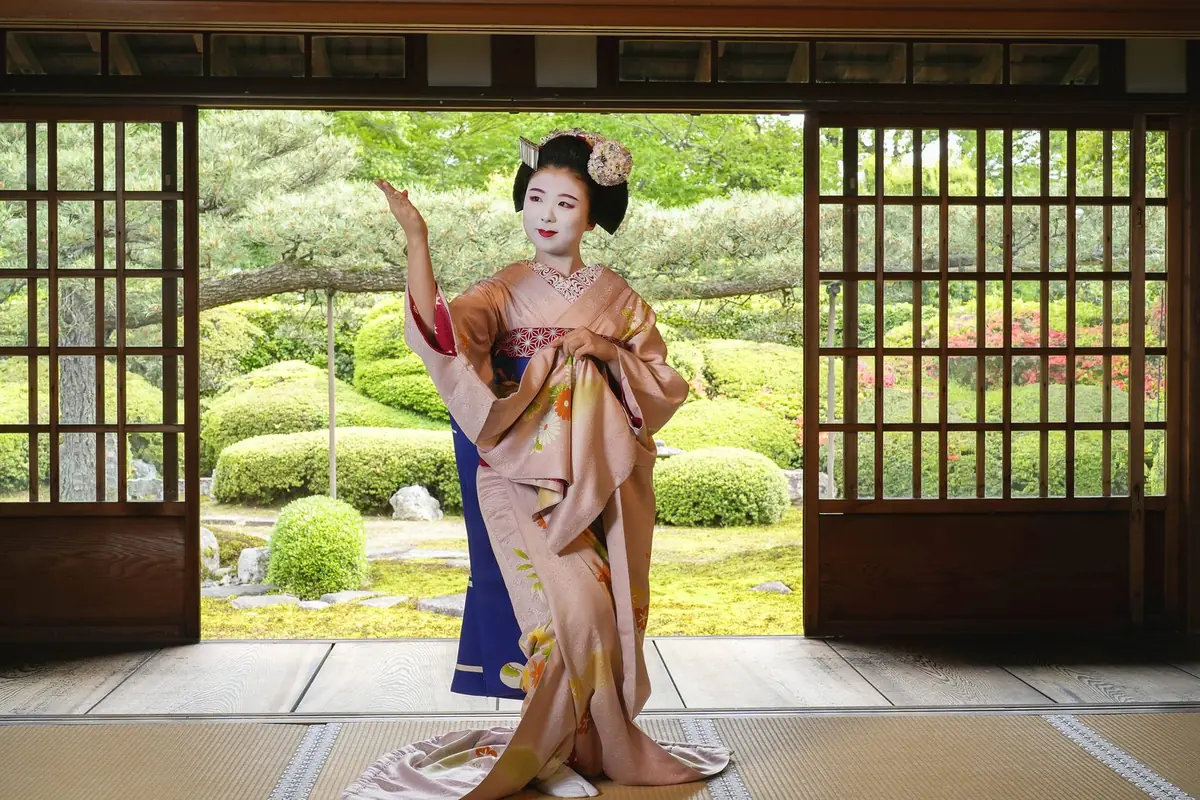
A maiko dance session at a Zen temple near Kyoto Station
Rake a Zen garden, watch two maiko dances and share green tea at Ikka-in, a temple rarely open to the public, one stop from Kyoto Station. Sessions start at 2:00 pm and 3:30 pm.
See the 2:00 pm and 3:30 pm sessions →Sources
- Miyako Odori (English) — Gion Kobu Kaburenjo
- How to meet with a geisha in Kyoto — Japan National Tourism Organization
- Kagai: hospitality in Kyoto's geisha districts — City of Kyoto
- Kyoto Hanamachi Official Site: Maiko — Kyoto Traditional Musical Art Foundation (Ookini Zaidan)
- Kyoto Hanamachi Official Site: Maiko dressed — Kyoto Traditional Musical Art Foundation (Ookini Zaidan)
- Tofuku-ji: Access — Tofuku-ji