Kyoto in January: New Year Crowds, Temple Hours, Weather
We operate the Maiko & Zen Kyoto experience mentioned in this guide.
January in Kyoto at a Glance
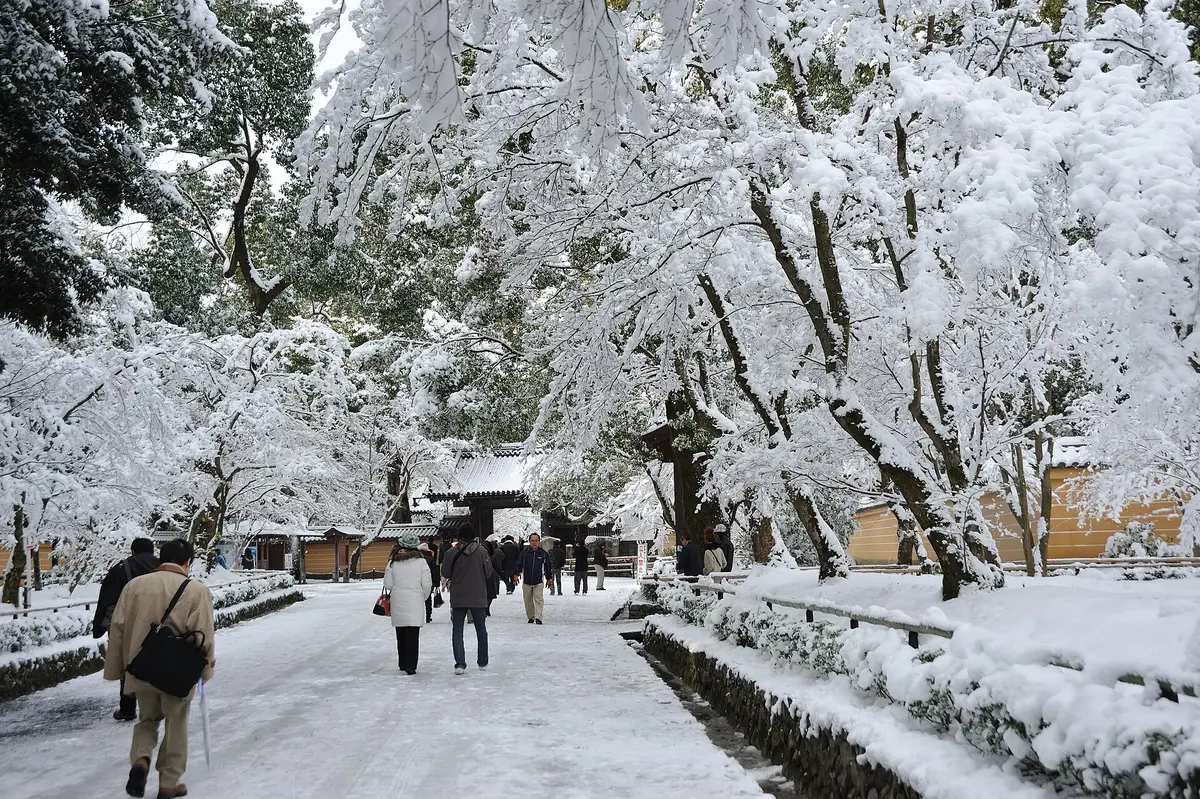
Kyoto opens the year with New Year shrine visits, and several major temples run shorter winter hours all month. Three things shape a January trip: the New Year rush in the first days, temples that close in mid-afternoon, and the cold.
This guide takes them in that order, then groups the sights into short days by area. Some of the dates below change every year, so confirm the one you need on the official page before you go. For a longer trip, our Kyoto itinerary guide puts the days in order.
The First Days of January
The New Year shrine visit, hatsumode, draws the biggest crowds right after the gates open and on New Year's Day morning, according to Kyoto's official tourism site, which asks visitors to stagger their visits. If crowds bother you, pick a different day or time for the busiest shrines.
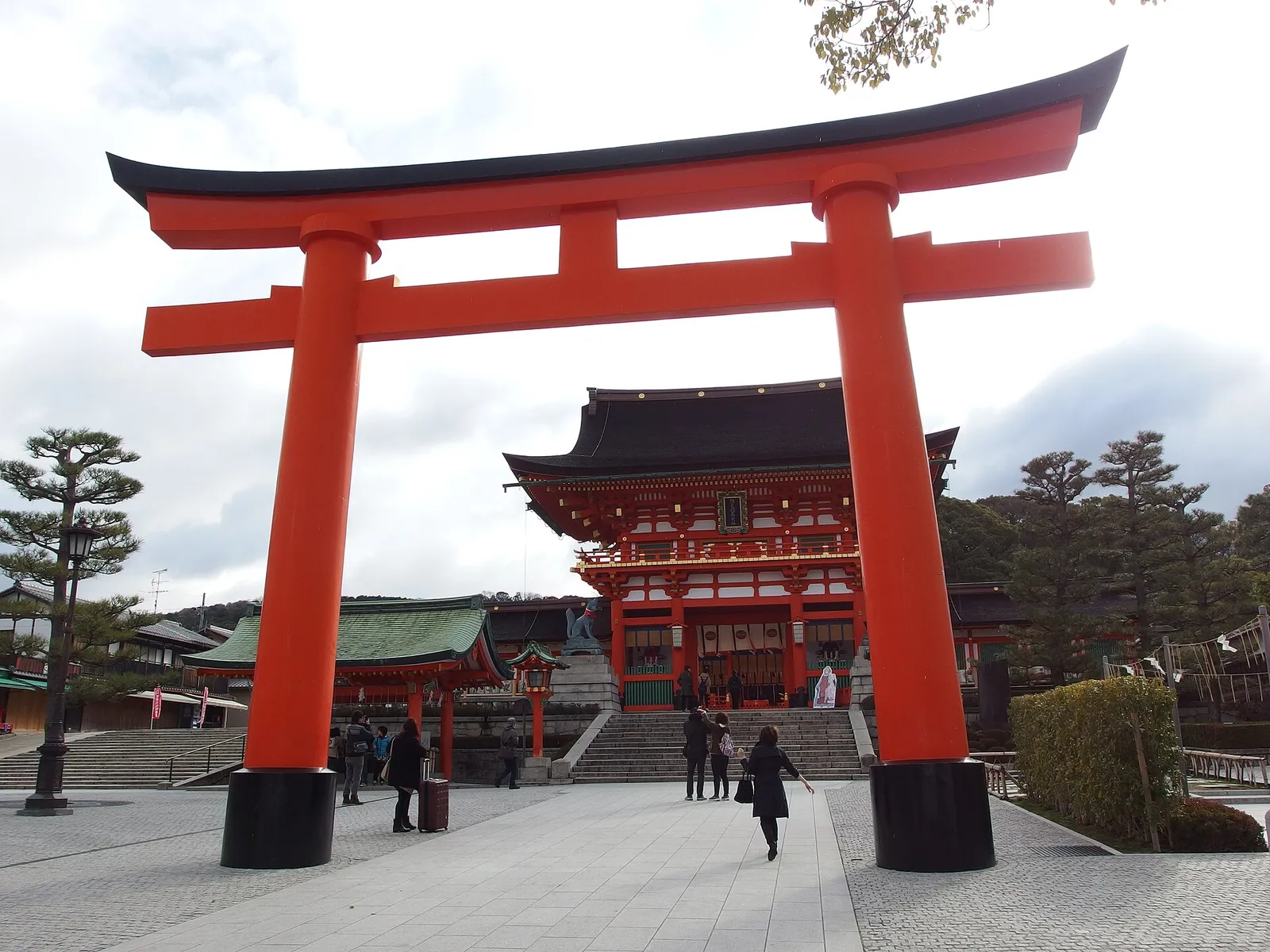
Fushimi Inari Taisha closes its parking lot from December 30 to January 6, and for temporary traffic restrictions during the New Year period it points drivers to the Kyoto Prefectural Police website. The train is simpler: Fushimi Inari Taisha is right next to JR Inari Station.
Around New Year, buses and the subway have also run on holiday timetables. For the 2025-26 year-end, Kyoto's city transportation bureau put city buses on the holiday timetable from December 28 to January 4, and the subway on its Saturday and holiday timetable from December 27 to January 4. Each year's dates are announced separately, so check the bureau's page for your own trip.
Within the flat-fare zone, an adult pays 230 yen per city bus ride, and the Subway & Bus 1-Day Pass costs 1,100 yen for adults.
Temple Hours in January
Tofuku-ji runs its winter schedule from December 7 to March 31: visits run from 9:00 am to 3:30 pm, when ticket sales end, and the gate shuts at 4:00 pm. Sanjusangendo keeps 9:00 am to 4:00 pm from November 16 to March 31, with last entry 30 minutes before closing. From December through February, Sennyu-ji is open from 9:00 am to 4:00 pm and closes its gate at 4:30 pm.
Ginkaku-ji and Ryoan-ji use winter hours from December 1 to the end of February. Ginkaku-ji is open from 9:00 am to 4:30 pm. Ryoan-ji is open from 8:30 am to 4:30 pm, and its gate closes at 5:00 pm.
Kinkaku-ji is open from 9:00 am to 5:00 pm every day, though special exhibitions can change its hours and admission. In Arashiyama, the Tenryu-ji garden is open from 8:30 am to 5:00 pm, with last admission at 4:50 pm.
Sanjusangendo is open every day of the year, and Ginkaku-ji and Kinkaku-ji are open every day, so all three work for the first days of January.
A simple rule follows from these times: put the place that matters most to you in the morning, and keep a smaller second stop for the afternoon.
Short-Day Routes by Area
Because the temples above close or stop selling tickets between 3:30 pm and 5:00 pm, a January day goes more smoothly when it stays in one part of the city.
East Kyoto
Kiyomizu-dera is usually open from 6:00 am to 6:00 pm, which leaves room for an early start. From Kyoto Station, ride Kyoto City Bus 206 or 100 to Gojozaka, then walk about 10 minutes. Sanjusangendo makes a good last stop if you arrive at least 30 minutes before its 4:00 pm close, when entry ends: it is about 18 minutes on foot from Kyoto Station, and City Bus 106 runs there year-round. Adults pay 600 yen at Sanjusangendo. Our Sanjusangendo guide explains what you will see inside.
North Kyoto: Ryoan-ji and Kinkaku-ji
Visit Ryoan-ji first and end at Kinkaku-ji, which stays open until 5:00 pm. Ryoan-ji is a 10-minute walk north of Ryoan-ji Station on the Keifuku Kitano Line, and the Ryoan-ji-mae bus stop is right in front of the temple. For Kinkaku-ji, get off the Kyoto City Bus at Kinkakuji-michi. Adults pay 600 yen at Ryoan-ji and 500 yen at Kinkaku-ji. Our guides to Ryoan-ji and Kinkaku-ji go into more detail.
Arashiyama
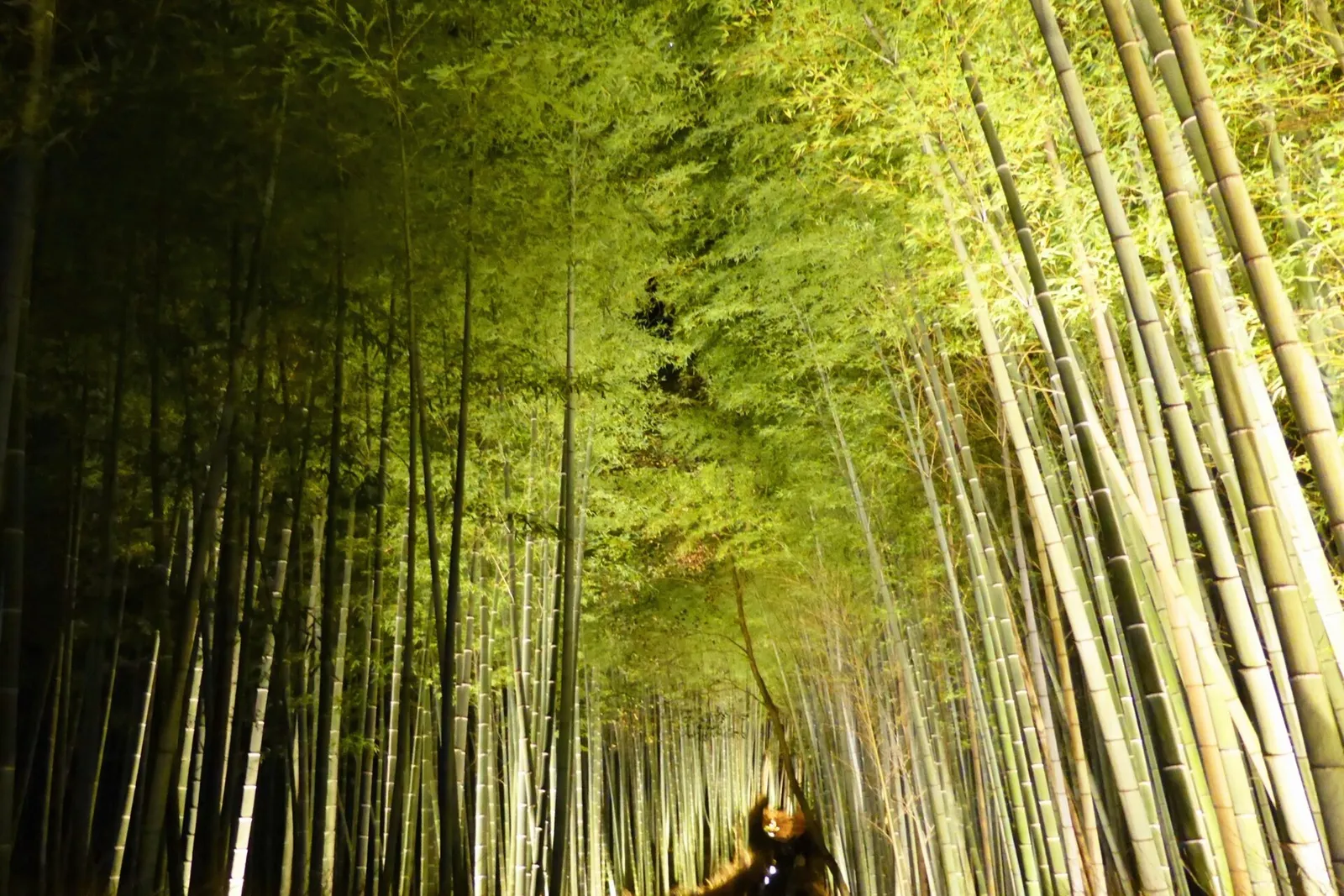
Rapid trains from Kyoto Station reach Saga-Arashiyama Station in about 11 minutes. The bamboo grove is a 10-minute walk from there. Tenryu-ji is 13 minutes on foot from Saga-Arashiyama Station, or about 5 minutes from Arashiyama Station on the Keifuku Arashiyama Line, and adults pay 500 yen for its garden. Our Arashiyama guide covers the rest of the area.
Fushimi Inari and Tofuku-ji: A Southern Half Day
The JR Nara Line ties these two sights together. Tofukuji Station is about 3 minutes from Kyoto Station, and Inari Station is the next stop, about 2 to 3 minutes by local train. Start at Fushimi Inari Taisha, then ride back one stop to Tofuku-ji. For the walk up Mount Inari, see our Fushimi Inari hike guide.
Tofuku-ji is about 10 minutes on foot from JR Tofukuji Station. It is also about 10 minutes from Keihan Tofukuji Station, or you can take Kyoto City Bus 88 or 208 from Kyoto Station for about 15 minutes and walk about 4 minutes from the stop.
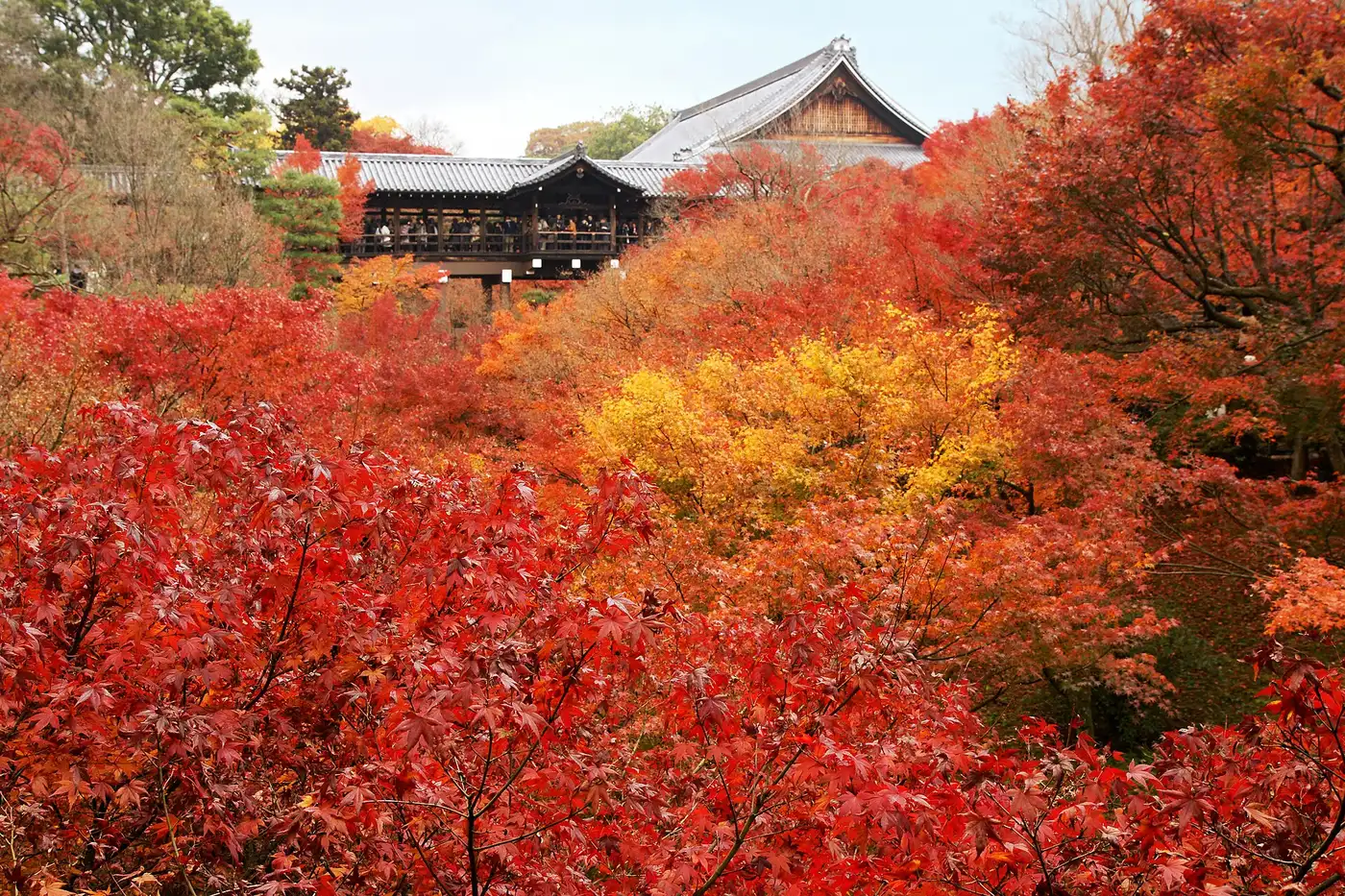
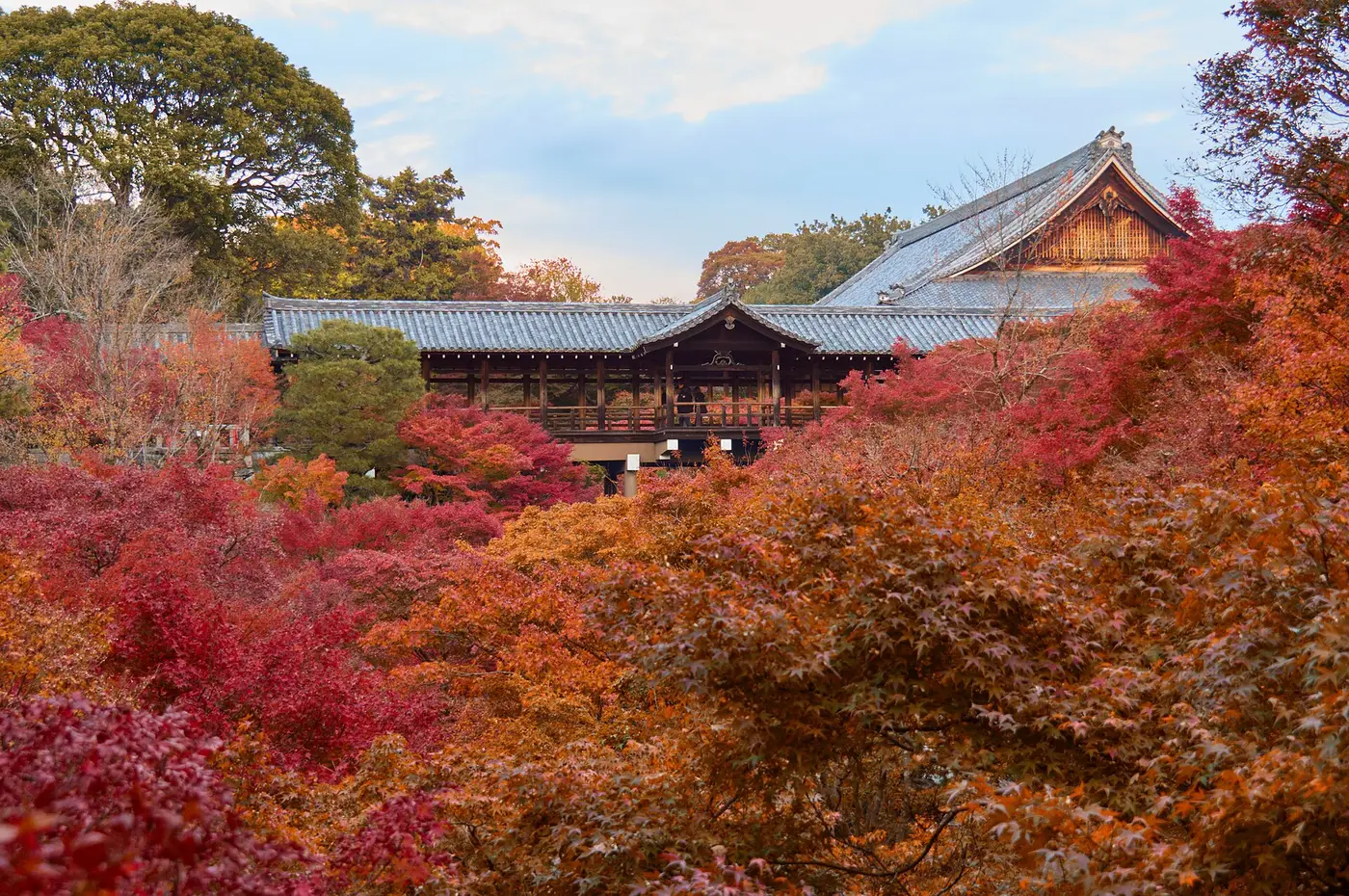
The temple has separate paid areas. Mirei Shigemori designed the Hojo gardens in 1939. From November 1, 2026, an adult ticket for the Hojo gardens is 600 yen. Outside the autumn season, the Tsutenkyo Bridge and Kaisando cost 600 yen for adults, and a combined ticket for both areas is 1,000 yen for adults. The Sanmon gate is a National Treasure. Our Tofuku-ji guide covers the rest of the grounds.
Our Session at Ikka-in
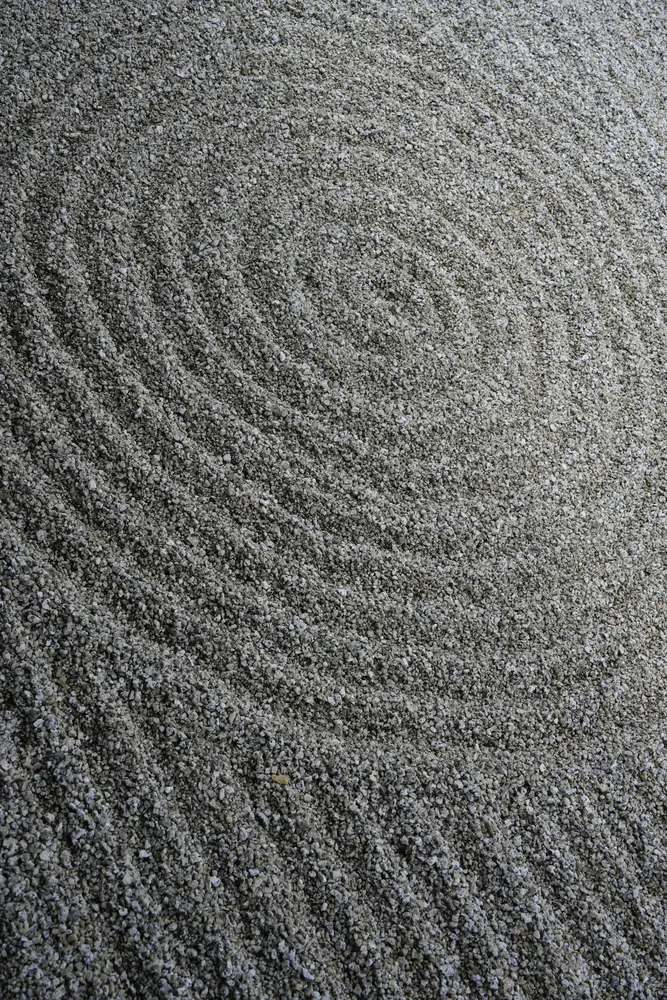
We operate Maiko & Zen Kyoto, a session at Ikka-in, a sub-temple of Tofuku-ji that is rarely open to the public. A maiko dances in the temple hall itself, then talks with the group and answers questions.
Sessions begin at 2:00 pm or 3:30 pm and last 90 minutes. Each one is a shared small group with an English-speaking guide, and sencha and a sweet are served. It costs 23,000 yen per person. Children aged 6 and over pay the same price, and the session is not open to children under 6.
If you join the 2:00 pm session, see Tofuku-ji's paid areas first, because the session ends after the temple's 3:30 pm winter ticket cutoff.
Weather and What to Pack
The Japan Meteorological Agency's 1991–2020 normals put Kyoto's January mean temperature at 4.8°C. The average daily high is 9.1°C, and the average daily low is 1.5°C. Precipitation for the month averages 53.3 mm. Snowfall for the month totals 5 cm on average, and the deepest snow cover averages 3 cm. These are long-term averages, not a forecast.
Much of a temple day is spent standing and walking outside, so wear layers you can take off and put back on. Pack gloves and a small umbrella or a light rain layer, and choose shoes that slip on and off easily.
Tofuku-ji asks visitors not to eat, drink, or use tripods on the grounds, and re-entry is not allowed once you leave. Have a meal before your visit and keep a water bottle in your bag.
Add a quiet temple stop to your day. We operate Maiko & Zen Kyoto, a 90-minute session at Ikka-in, a sub-temple of Tofuku-ji, where a maiko dances in the same temple hall with no stage between you, then takes time for your questions and photos. See current session times and prices.
Frequently asked questions
How crowded is Kyoto at New Year?
Kyoto's official tourism site says New Year shrine visits are busiest right after the gates open and on New Year's Day morning, and asks visitors to spread out their visits. Fushimi Inari Taisha also closes its parking lot from December 30 to January 6.
Do Kyoto temples close earlier in January?
Many do. From December 7 to March 31, Tofuku-ji is open from 9:00 am to 3:30 pm. From December 1 through the end of February, Ginkaku-ji is open from 9:00 am to 4:30 pm. Kinkaku-ji is open from 9:00 am to 5:00 pm every day.
How do Kyoto's buses and subway run around New Year?
For the 2025-26 year-end, city buses ran the holiday timetable from December 28 to January 4, and the subway ran its Saturday and holiday timetable from December 27 to January 4. Check the city's page for this year's dates.
How cold is Kyoto in January?
The Japan Meteorological Agency's 1991–2020 normals put Kyoto's January mean at 4.8°C, with an average daily high of 9.1°C and an average daily low of 1.5°C.
Does it snow in Kyoto in January?
A little. The same normals put Kyoto's total snowfall for January at 5 cm, and the deepest snow cover of the month averages 3 cm.
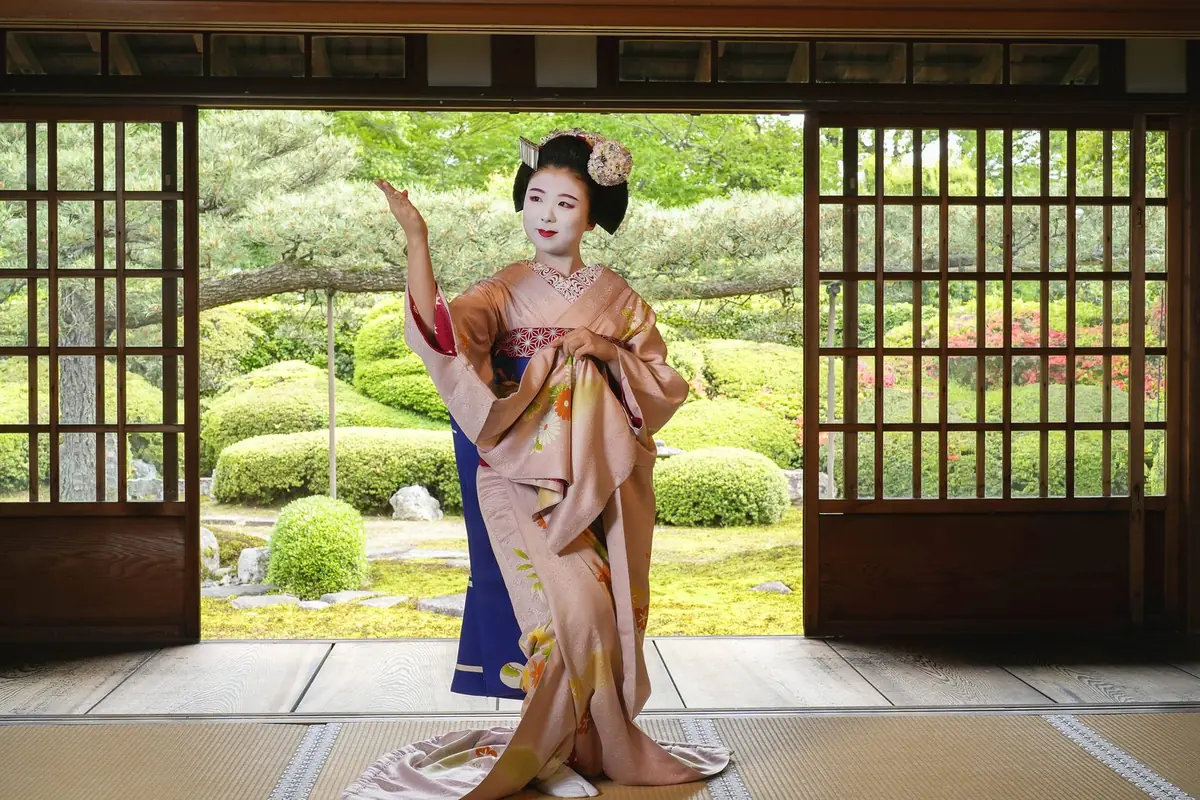
A maiko dance session at a Zen temple near Kyoto Station
Rake a Zen garden, watch two maiko dances and share green tea at Ikka-in, a temple rarely open to the public, one stop from Kyoto Station. Sessions start at 2:00 pm and 3:30 pm.
See the 2:00 pm and 3:30 pm sessions →Sources
- Year-end and New Year in Kyoto 2025-2026 — City of Kyoto (Kyoto Kanko Navi)
- Fushimi Inari Taisha: access — Fushimi Inari Taisha
- Year-end bus and subway timetables — Kyoto City Transportation Bureau
- City bus fares — Kyoto City Transportation Bureau
- Tofuku-ji: visitor guide — Tofuku-ji
- Tofuku-ji: access — Tofuku-ji
- Sanjusangendo: visiting — Sanjusangendo
- Sennyu-ji: visitor guide — Sennyu-ji
- Ginkaku-ji: access and hours — Shokoku-ji
- Kinkaku-ji: access and hours — Shokoku-ji
- Ryoan-ji: visitor FAQ — Ryoan-ji
- Tenryu-ji: visiting — Tenryu-ji
- Kiyomizu-dera: opening hours — Kiyomizu-dera
- Kiyomizu-dera: access — Kiyomizu-dera
- Access to Sanjusangendo — Kyoto City Tourism Association
- Saga-Arashiyama Station — Kyoto City Tourism Association
- Ryoan-ji — Japan National Tourism Organization
- Arashiyama bamboo grove — Japan National Tourism Organization
- JR Nara Line timetable — JR West
- Subway & Bus 1-Day Pass — Kyoto City Transportation Bureau
- Kyoto climate normals (1991-2020) — Japan Meteorological Agency