Sanjusangendo Temple Guide: What to See, How to Get There, and When to Go
We operate the Maiko & Zen Kyoto experience mentioned in this guide.
Sanjusangendo is a Buddhist temple hall in the Higashiyama area of Kyoto, on the southern side of the city. This guide sticks to practical details. For the history of the statues inside, use the temple's own pages, because this guide does not repeat details we have not checked.
What to See at Sanjusangendo
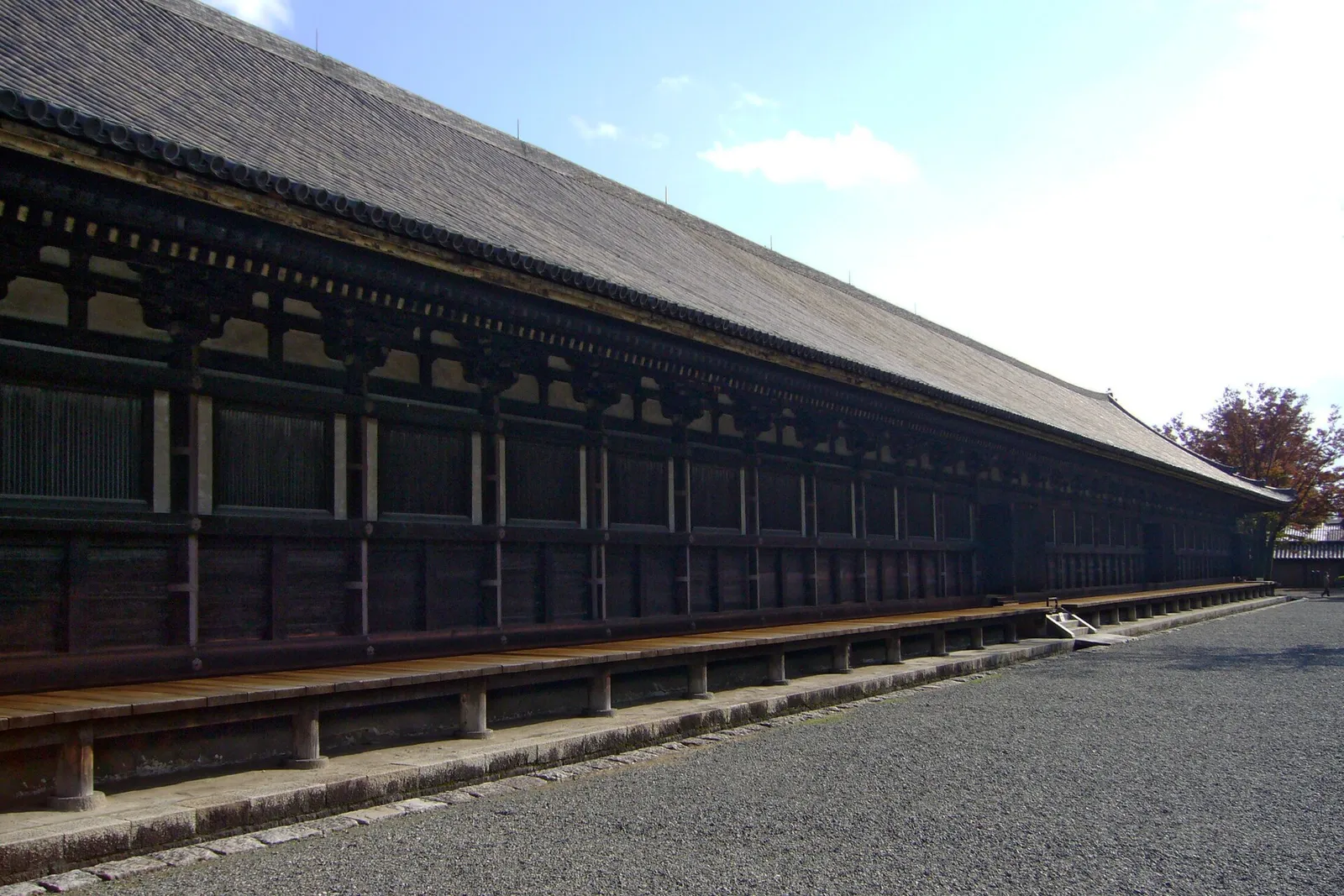
The shape of the main hall stands out. It is a single, very long and low wooden building, with a heavy tile roof that runs almost the whole length of the structure. Seen from the gravel courtyard, it reads as one continuous line rather than a tall tower, which sets it apart from the pagoda-and-gate silhouettes you see at many other temples.
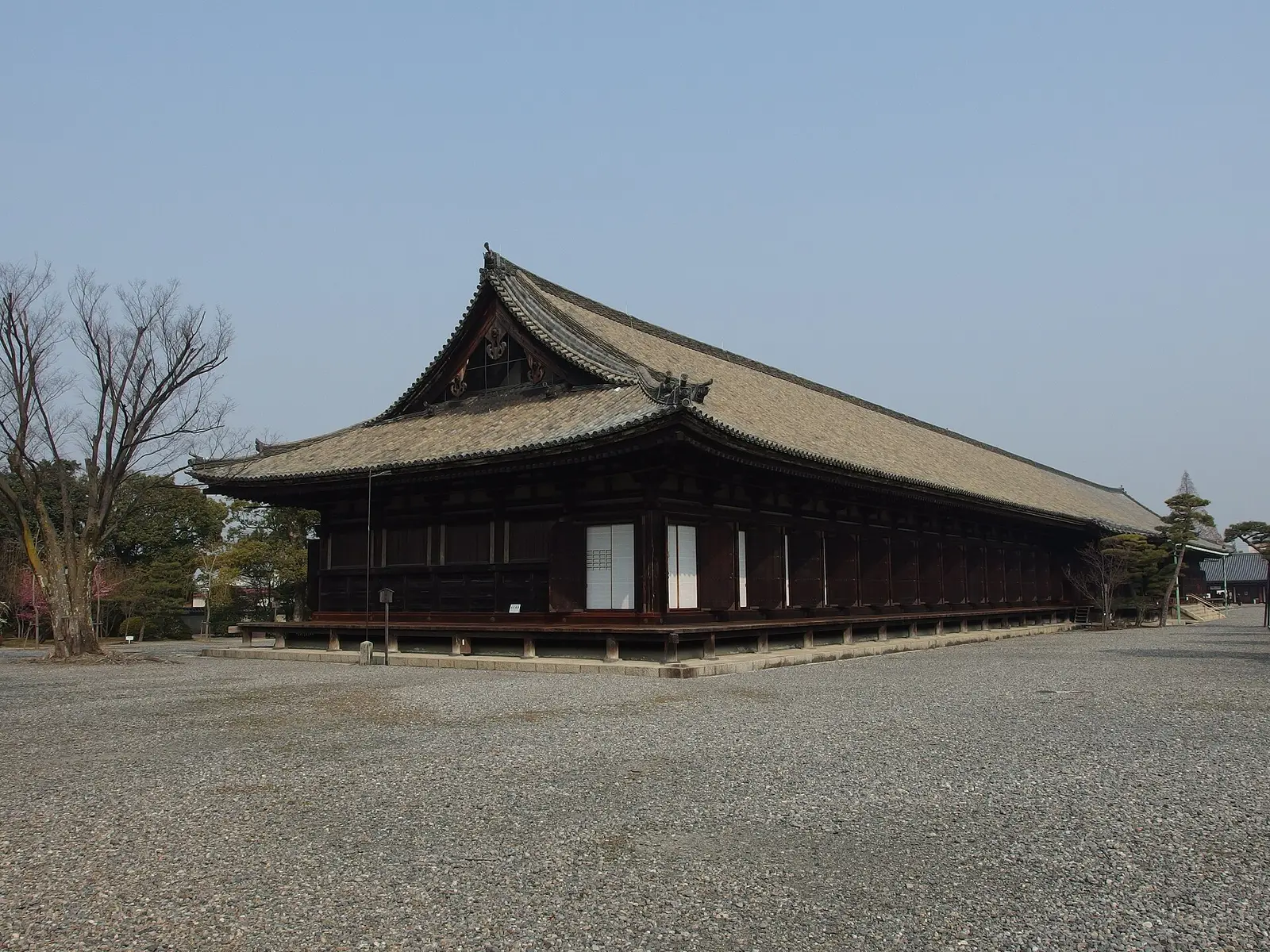
At the end of the hall, the roof curves upward at the gable, and dark timber frames the white paper screens. Walking along the outside of the hall gives you a sense of its scale before you step inside.
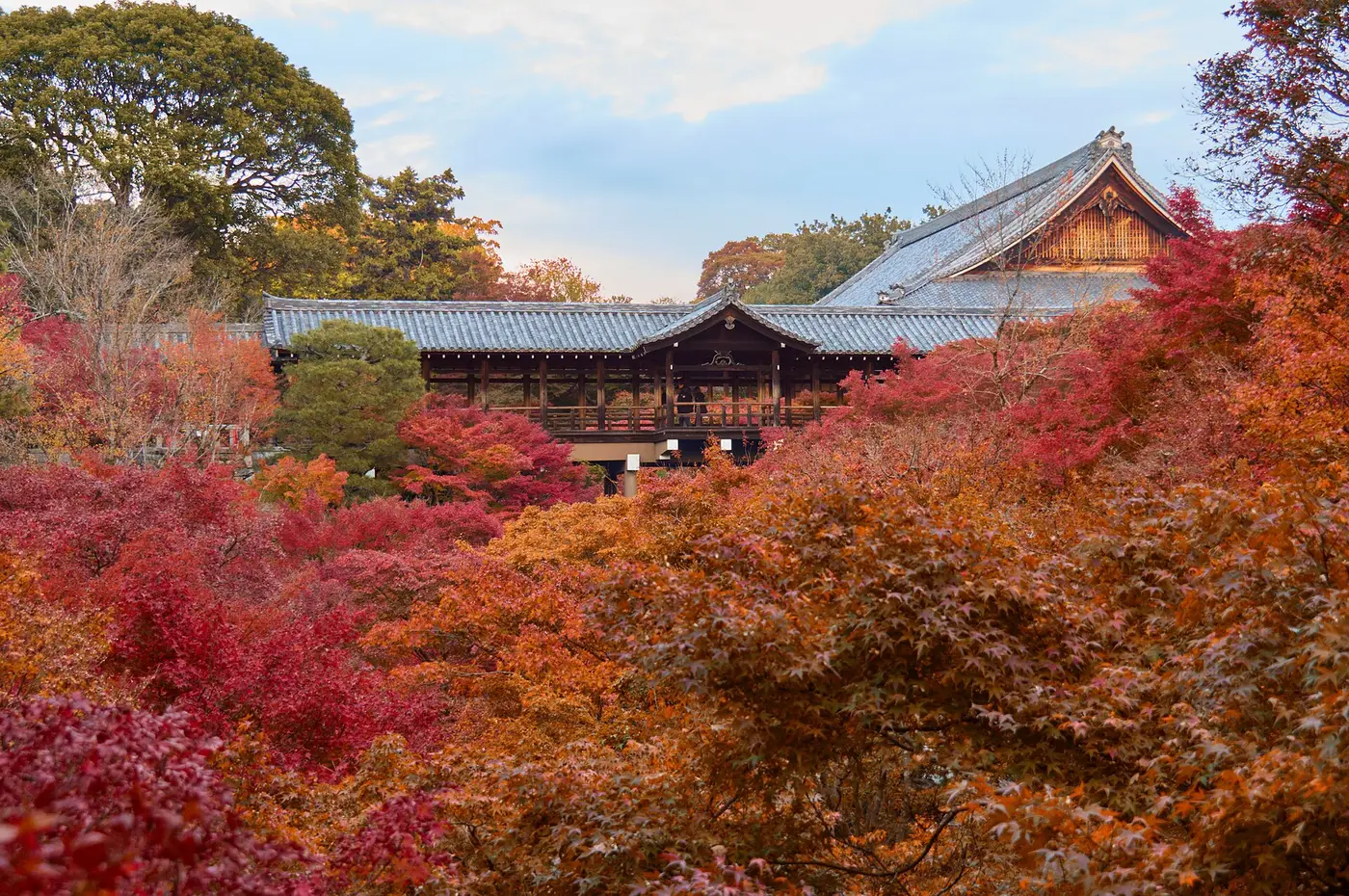
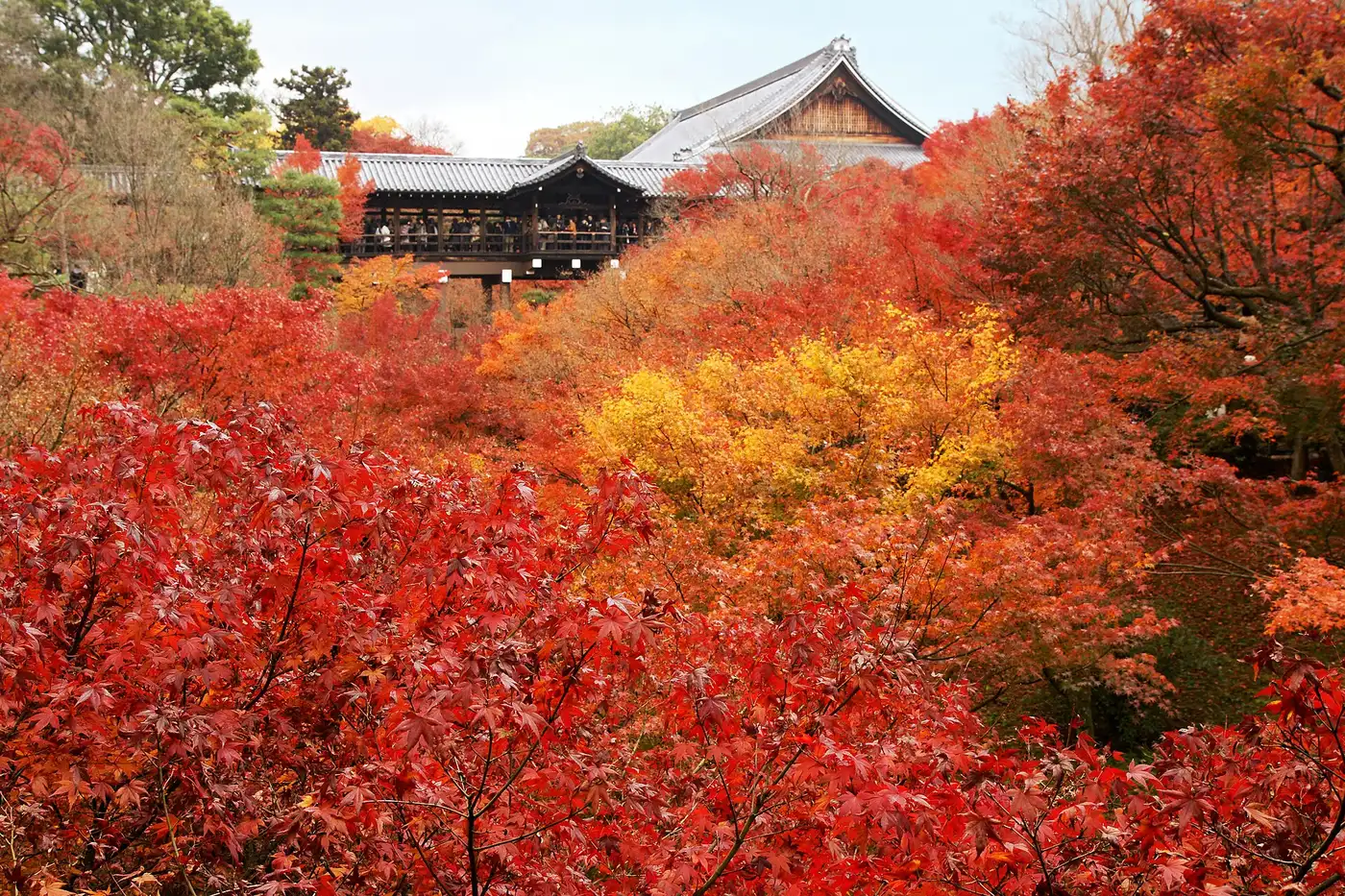
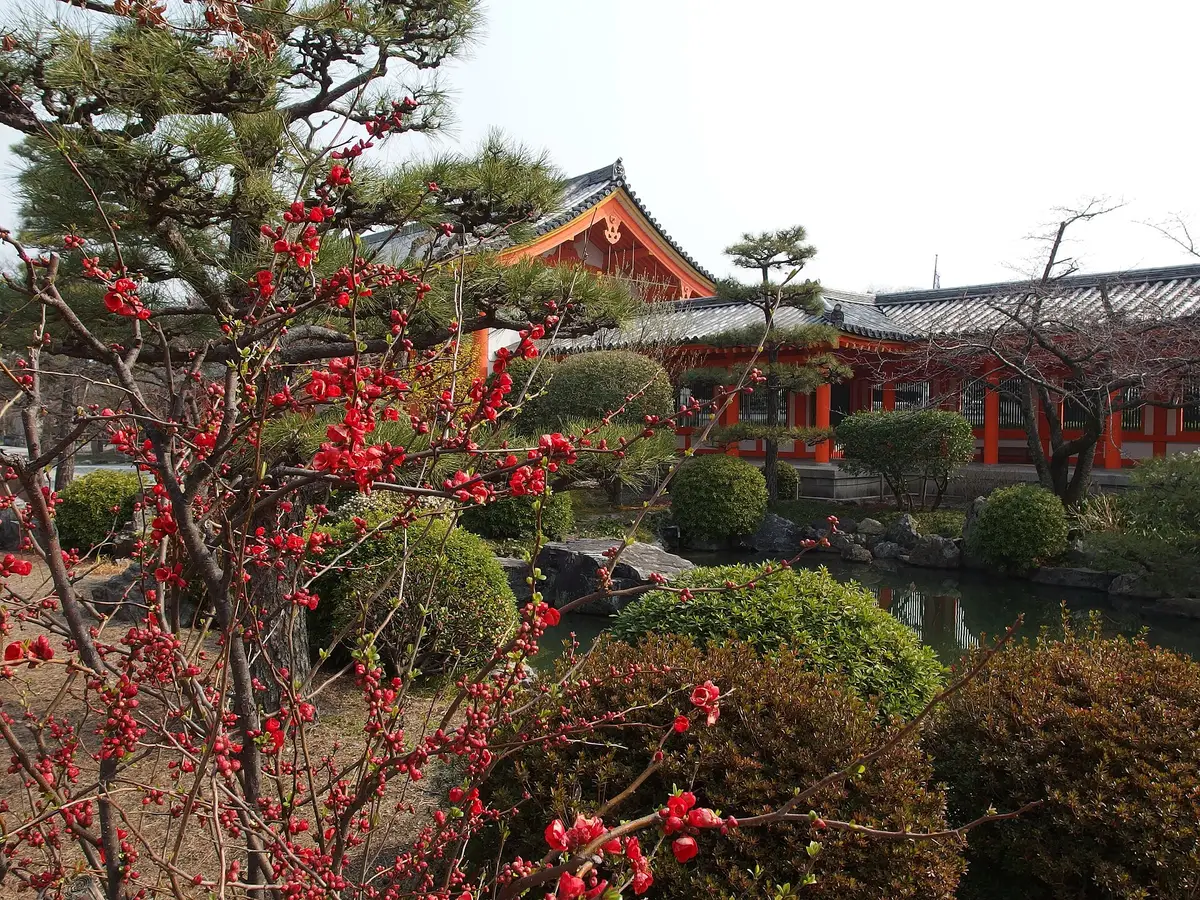
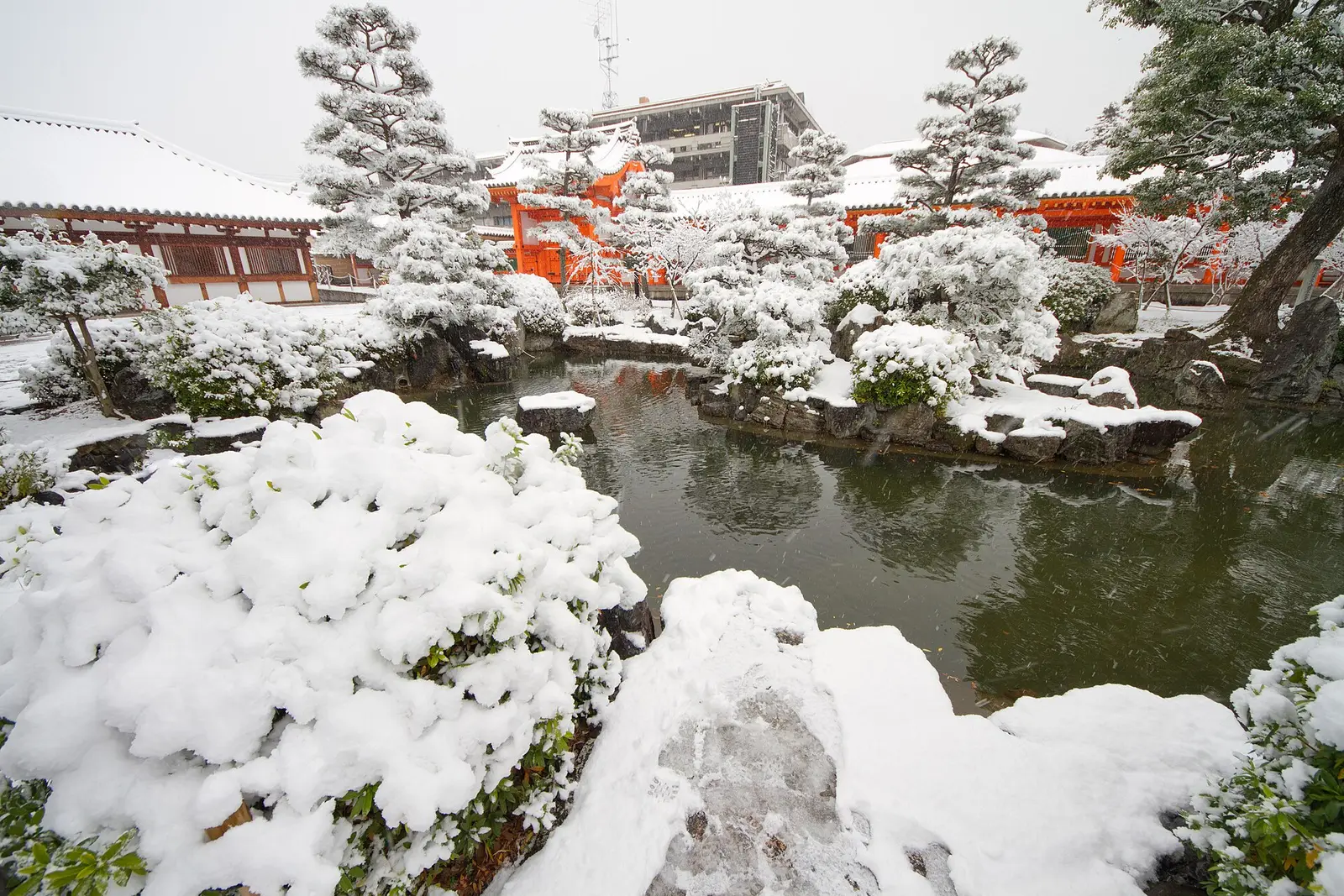
The grounds also include a pond garden with pines, stones, and orange-red buildings around the water. The garden changes with the weather and the year, so a visit in one month will look different from a visit in another.
Take your time on the outside as well as the inside. The hall, the veranda, and the garden each give a different view of the same compound, and none of them needs a plan.
How to Plan Your Visit
Treat Sanjusangendo as a short, focused stop rather than a full day. Walk the length of the hall on the outside first, then go in, then finish with a loop of the garden. Keep the order the same every time you go, and you will not feel rushed.
Photography rules inside a temple hall are set by the temple, and they can differ between the hall and the grounds. Follow the signs on the day, and ask the staff if you are unsure. Please do not photograph other visitors without asking.
Wear shoes that are comfortable on gravel, because the courtyard is covered in small stones.
Getting to Sanjusangendo
From Kyoto Station, the Kyoto City Tourism Association lists about 18 minutes on foot. That makes a walk reasonable if the weather is good and you are traveling light.
If you prefer to ride, City Bus 106, the Rakuraku Higashiyama Line, serves the area and runs year-round. Bus routes and stops can change, so check the current route map at the stop or in your transit app before you board.
Seasons and Hours
From April 1 to November 15, the temple is open from 8:30 am to 5:00 pm. From November 16 to March 31, it is open from 9:00 am to 4:00 pm. Last entry is 30 minutes before closing, so do not plan to arrive in the final half hour.
Adults pay 600 yen to enter. The temple is open every day of the year, which makes it an easy stop to add to a day that is otherwise fixed.
The changeover on November 16 matters if you travel in late autumn or winter. The temple closes an hour earlier on the winter schedule, so plan your afternoon around that earlier closing.
Other Temples in the Area
Plan each stop below separately, because every temple has its own rules.
Tofuku-ji is a Zen temple complex in the same part of southern Kyoto. From Kyoto Station, the JR Nara Line to Tofukuji Station takes about 3 minutes, followed by about 10 minutes on foot. From April 1 to November 13, Tofuku-ji is open from 9:00 am to 4:00 pm. Our Tofuku-ji temple guide covers that temple in more detail.
Sennyu-ji is open from 9:00 am to 4:30 pm from March to November, and adults pay 500 yen for the temple grounds. If you are building a full day around the southern part of the city, see our Kyoto itinerary for how the stops fit together.
Add a Maiko Session After Your Visit
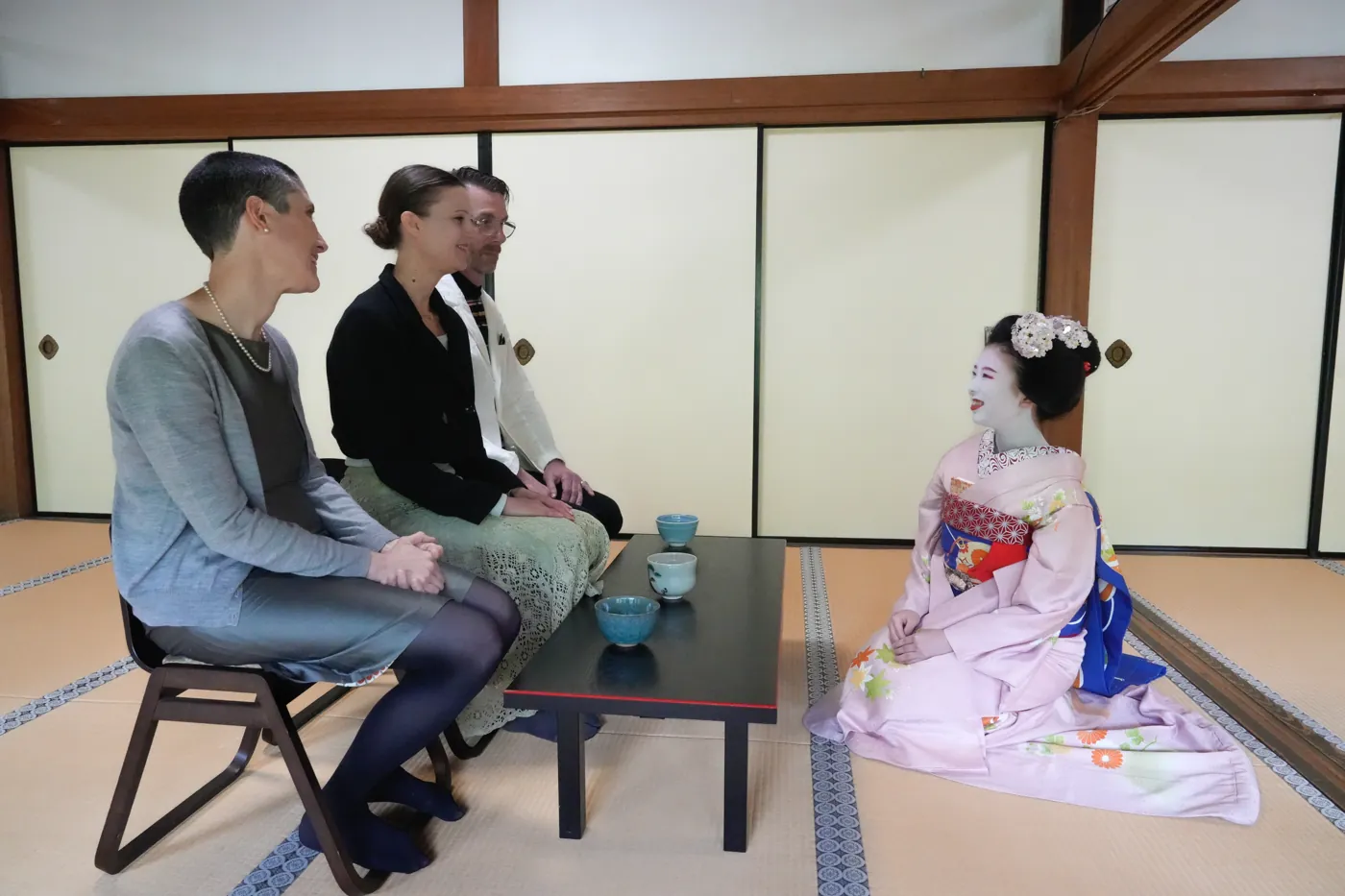
Add a quiet temple stop to your day. We operate Maiko & Zen Kyoto, a 90-minute session at Ikka-in, a sub-temple of Tofuku-ji, where a maiko dances in the same temple hall with no stage between you, then takes time for your questions and photos. See current session times and prices.
To compare formats before you decide, read our guide to maiko experiences in Kyoto.
Frequently asked questions
How much does Sanjusangendo cost?
Adults pay 600 yen. The temple is open every day of the year.
What are the opening hours of Sanjusangendo?
From April 1 to November 15, the temple is open from 8:30 am to 5:00 pm. From November 16 to March 31, it is open from 9:00 am to 4:00 pm. Last entry is 30 minutes before closing.
How do I get to Sanjusangendo from Kyoto Station?
The Kyoto City Tourism Association lists about 18 minutes on foot from Kyoto Station. City Bus 106, the Rakuraku Higashiyama Line, also serves the area and runs year-round.
Is Sanjusangendo in the same area as Tofuku-ji?
Both temples are in the southern Higashiyama area, and each has its own rules, so plan each stop separately. The Tofuku-ji guide on this site covers that temple in detail.
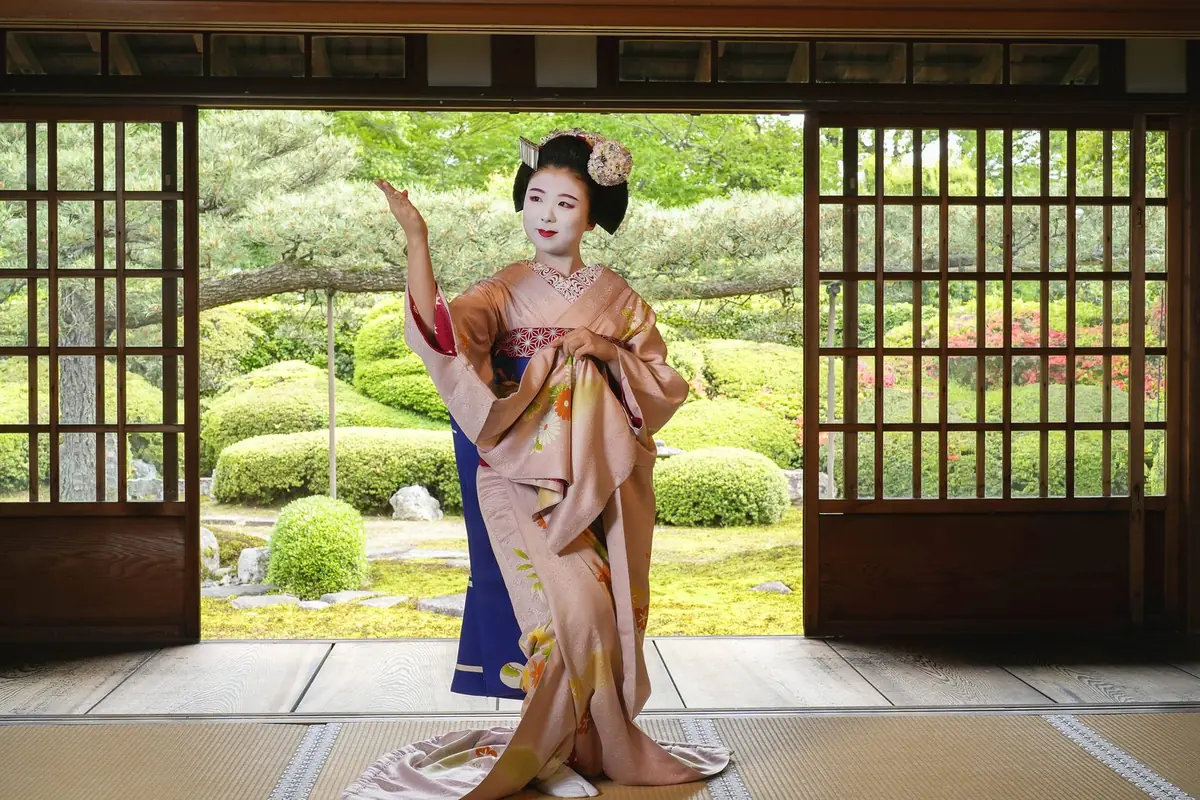
A maiko dance session at a Zen temple near Kyoto Station
Rake a Zen garden, watch two maiko dances and share green tea at Ikka-in, a temple rarely open to the public, one stop from Kyoto Station. Sessions start at 2:00 pm and 3:30 pm.
See the 2:00 pm and 3:30 pm sessions →Sources
- Sanjusangendo: Visit — Sanjusangendo
- Comfortable access to Higashiyama (Sanjusangen-do) — Kyoto City Tourism Association
- Tofuku-ji: Access — Tofuku-ji
- Sennyu-ji: Visitor guide — Sennyu-ji