Kinkaku-ji Guide: The Golden Pavilion, Hours, Admission, and Getting There
We operate the Maiko & Zen Kyoto experience mentioned in this guide.
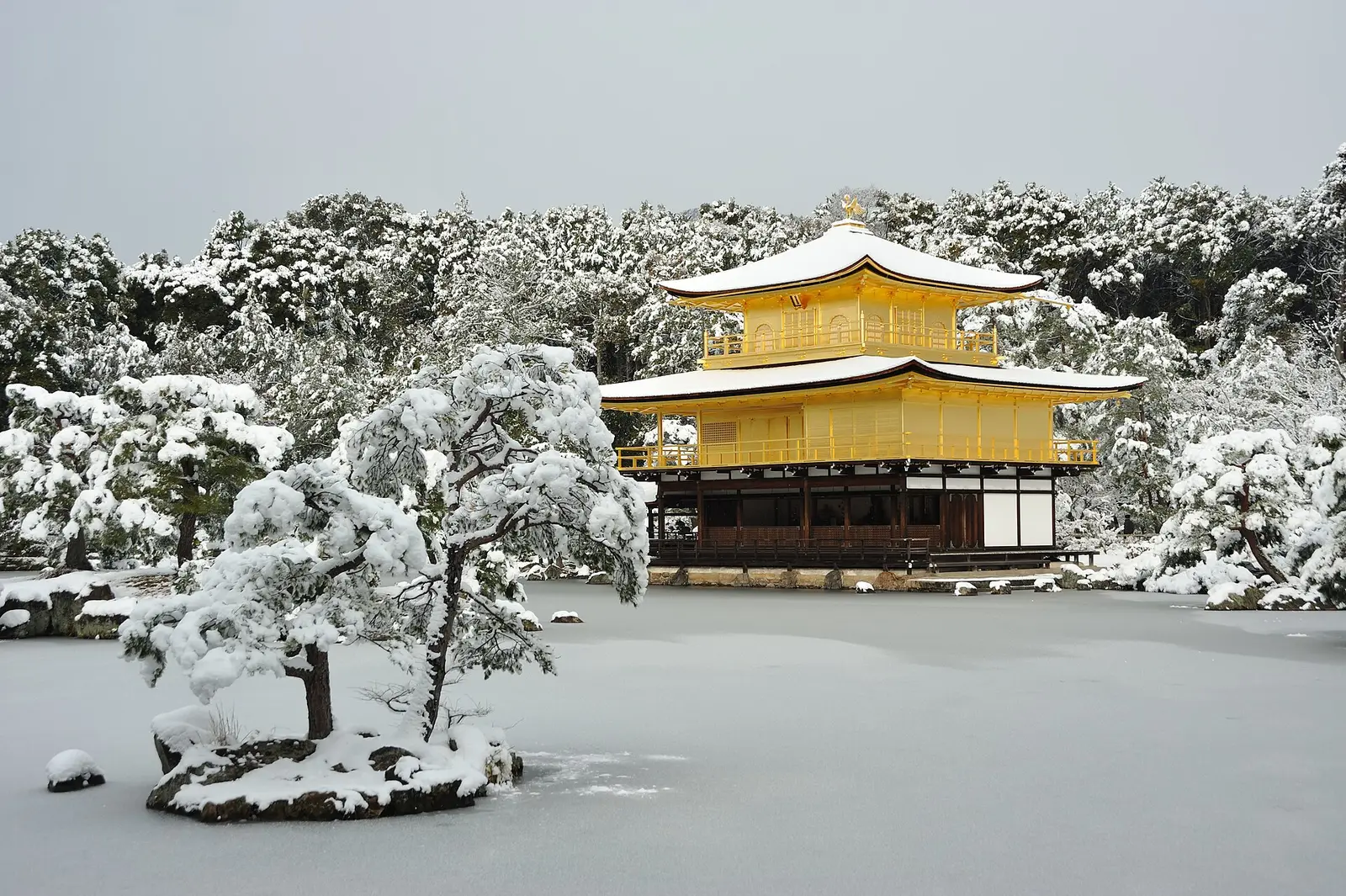
Kinkaku-ji is the Zen temple that most travelers picture when they think of the Golden Pavilion: a gold-covered hall reflected in a still pond, framed by pines. This guide covers what to look for, a simple way to walk the grounds, and the practical facts from the temple's own pages, so you can fit it into a Kyoto day with confidence.
What to See at Kinkaku-ji
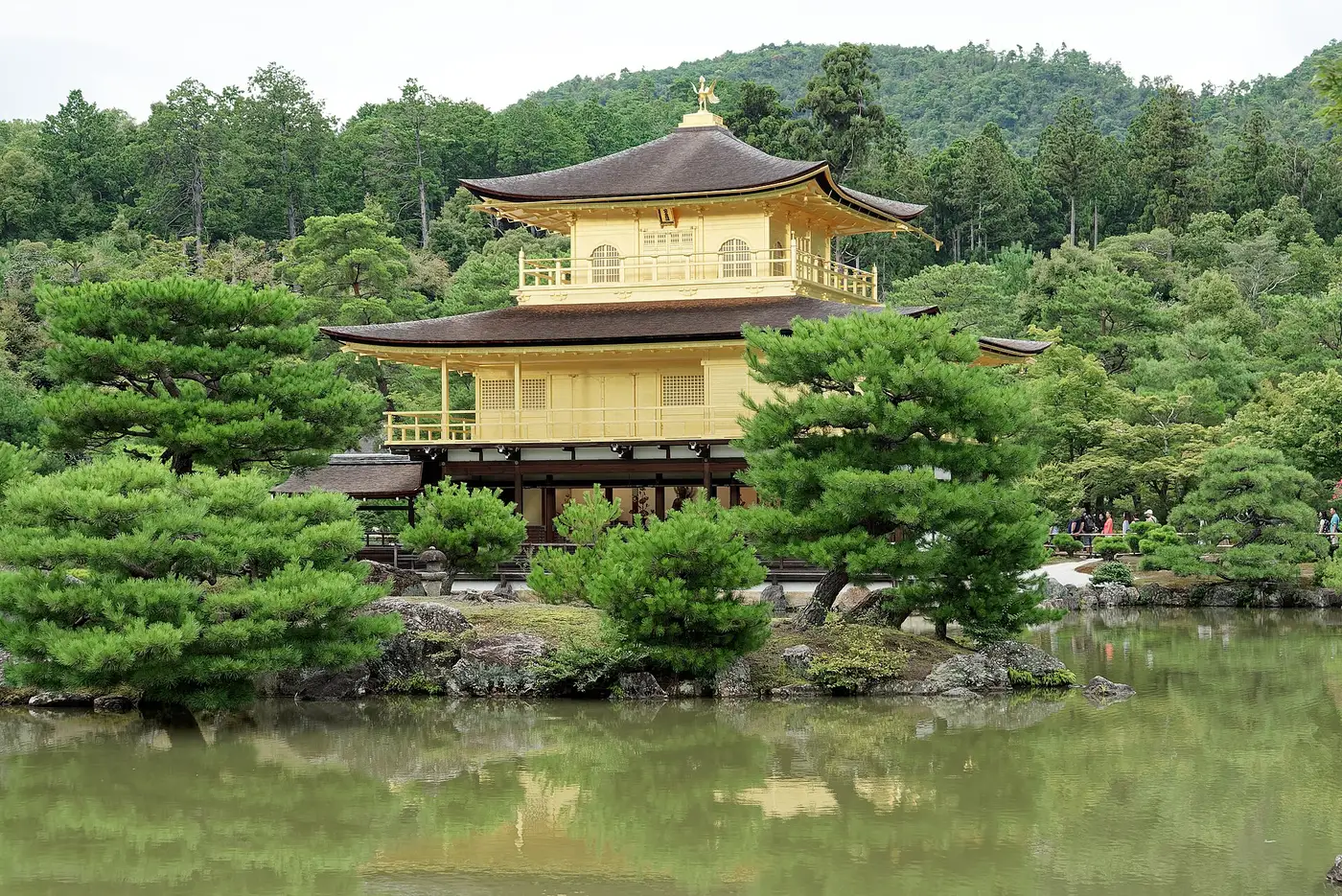
The Golden Pavilion is the center of the visit. Its upper floors are covered in gold leaf, and the building stands at the edge of a large pond, so the pavilion and its reflection appear together. Give yourself a moment at the front, because the whole composition of pond, pavilion, and trees is easiest to read from there.
"Golden Pavilion" is the everyday name; the temple's own name for the building is the Relics Hall, or Shariden. Kinkaku-ji went onto UNESCO's World Heritage list in 1994.
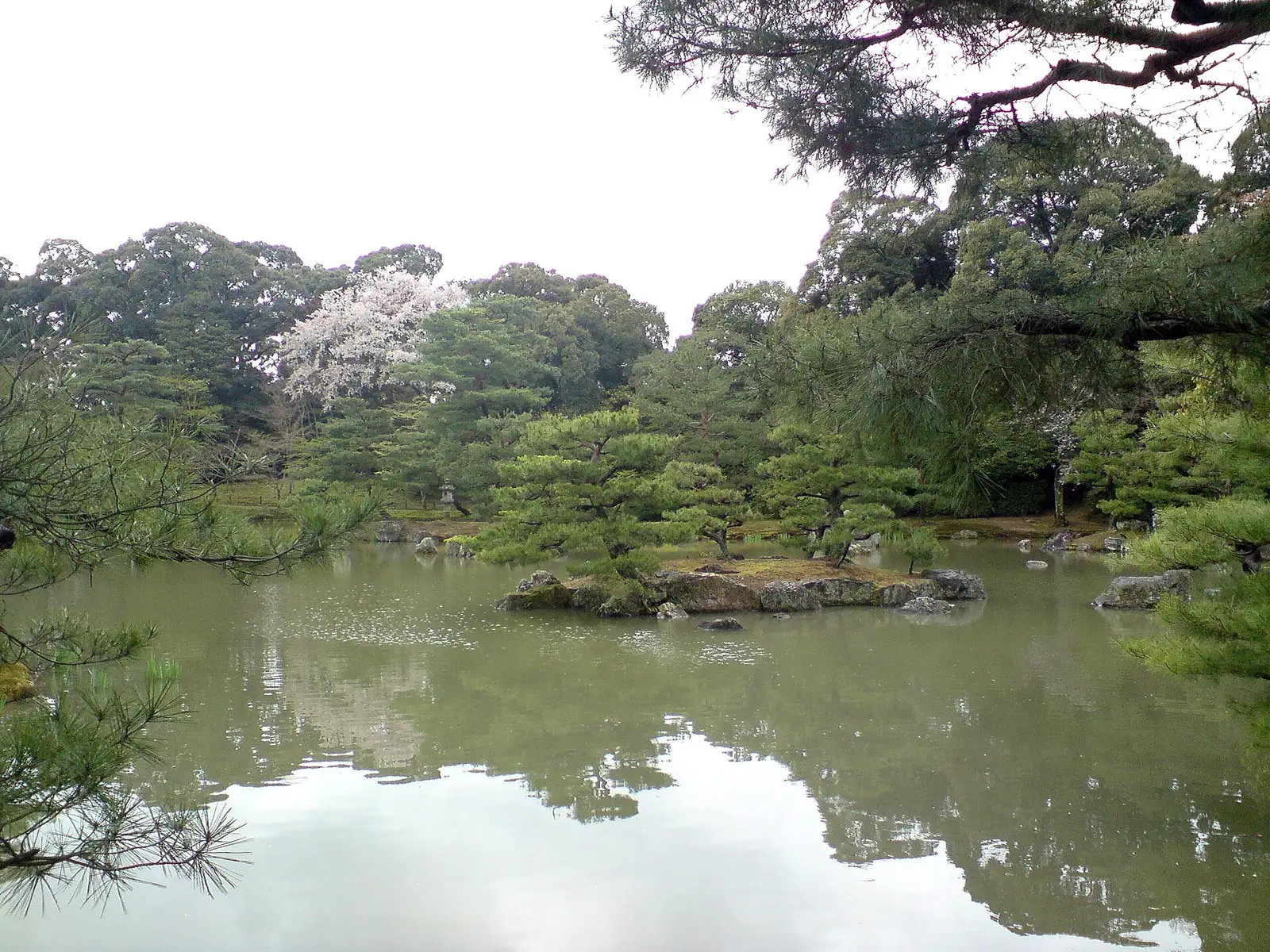
The garden around the pond was made to be seen as you walk through it. Small islands, carefully placed stones, and clipped pines change what you see from one point to the next, and the pavilion comes back into view from new angles.
Highlights Along the Path
The temple's visitor guide numbers its points of interest.
Treat that guide as a checklist rather than a test. Nobody needs to give every point the same attention. Choose two or three that catch your eye, such as the buildings you pass on the way, and let the rest be part of the walk.
Looking up the names before you arrive makes the signs easier to follow, and it gives you a few things to look for as you go. The temple's own pages are the place to match each name to what you see on the grounds.
How to Take It In
Plan your photos for the first view, then slow down and look at the pavilion again from other points along the garden. The details reward a second look: the way each floor differs, the roofline, and the reflection that shifts with the light on the water.
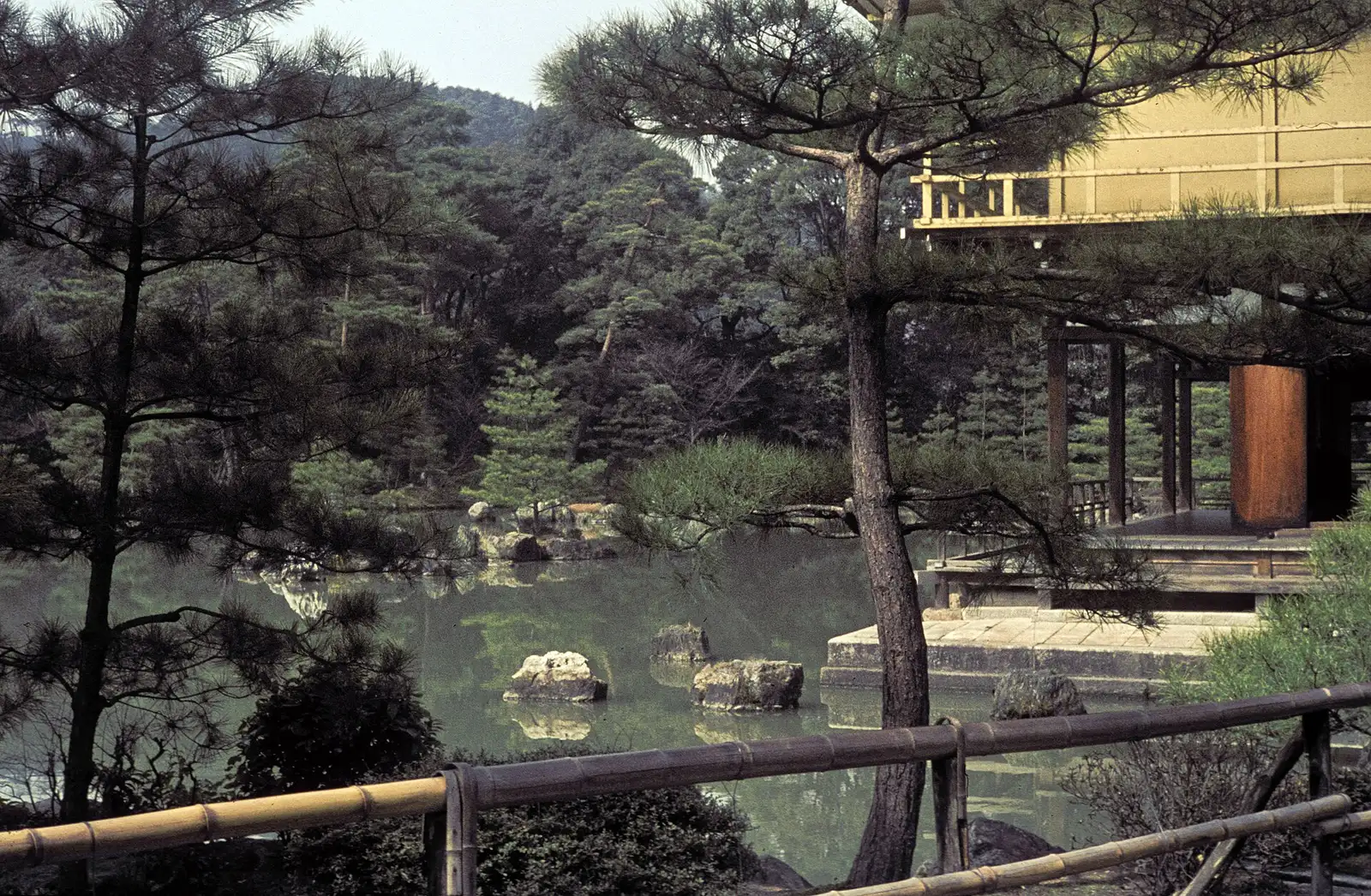
If you enjoy photography, decide which frame you want at the pond's edge before you move on, because the path leads you forward rather than back. After that, you can walk deeper into the garden without worrying that you missed your shot.
Kinkaku-ji pairs well with other sights, so treat it as one part of a larger temple plan. If you are building a longer plan, our guide to places to visit in Kyoto shows how the major sights fit together by area.
Getting to Kinkaku-ji
Kinkaku-ji is reached by city bus. Get off the Kyoto City Bus at Kinkakuji-michi, which is the stop for the temple. Check your bus route in a navigation app before you leave, and watch for the name Kinkakuji-michi as you ride.
If you are coming from Ginkaku-ji, board at Ginkakuji-michi Stop (No. 102 or 204), and get off at Kinkakuji-michi Stop. That gives you a simple way to visit both temples in one outing. If you pair the two, note that Ginkaku-ji keeps its own hours (8:30 am to 5:00 pm from March through November, 9:00 am to 4:30 pm from December through February) and charges adults 1,000 yen.
If you are driving, the temple parking lot is open 8:40 a.m. – 5:10 p.m. and holds 250 cars.
Save the address in your phone before you set out: 1 Kinkakuji-cho, Kita-ku, Kyoto 603-8361 Japan.
Hours and Admission
The temple is open from 9:00 am to 5:00 pm, and it is open every day. The temple notes that hours may change for special exhibitions.
Adults, meaning high school students and older, pay 500 yen to enter. Primary and middle school students pay 300 yen. The temple notes that the admission fee may change for special exhibitions. Check the temple's official page before you go, since the temple publishes its current information there.
Make the Most of the Visit
Kinkaku-ji fits a day well when you give it a clear role. It is a place to arrive with a plan for the first view, to walk the path at an easy pace, and to leave with energy for the next stop.
Wear comfortable shoes for the garden path, and bring a light layer you can add or remove as the weather changes. Keep your bag small so that it is easy to carry through the grounds, and take a moment at the entrance to read the signs before you start walking.
Because the pavilion is the star, the surrounding garden can feel like an afterthought. Resist that. The pond, the islands, and the pines are what make the building look the way it does, and they are worth the extra attention. Look back at the pond from a few different spots, so the garden has room to make its impression on you.
Pair Kinkaku-ji With Another Kind of Temple
Kinkaku-ji is a showpiece, a single dramatic building in a garden. Many travelers balance it with a temple that is calmer and more about the rock and gravel garden itself. Our guide to Zen gardens in Kyoto compares three of them, and it makes a good next read if you want a calmer counterpart to the Golden Pavilion.
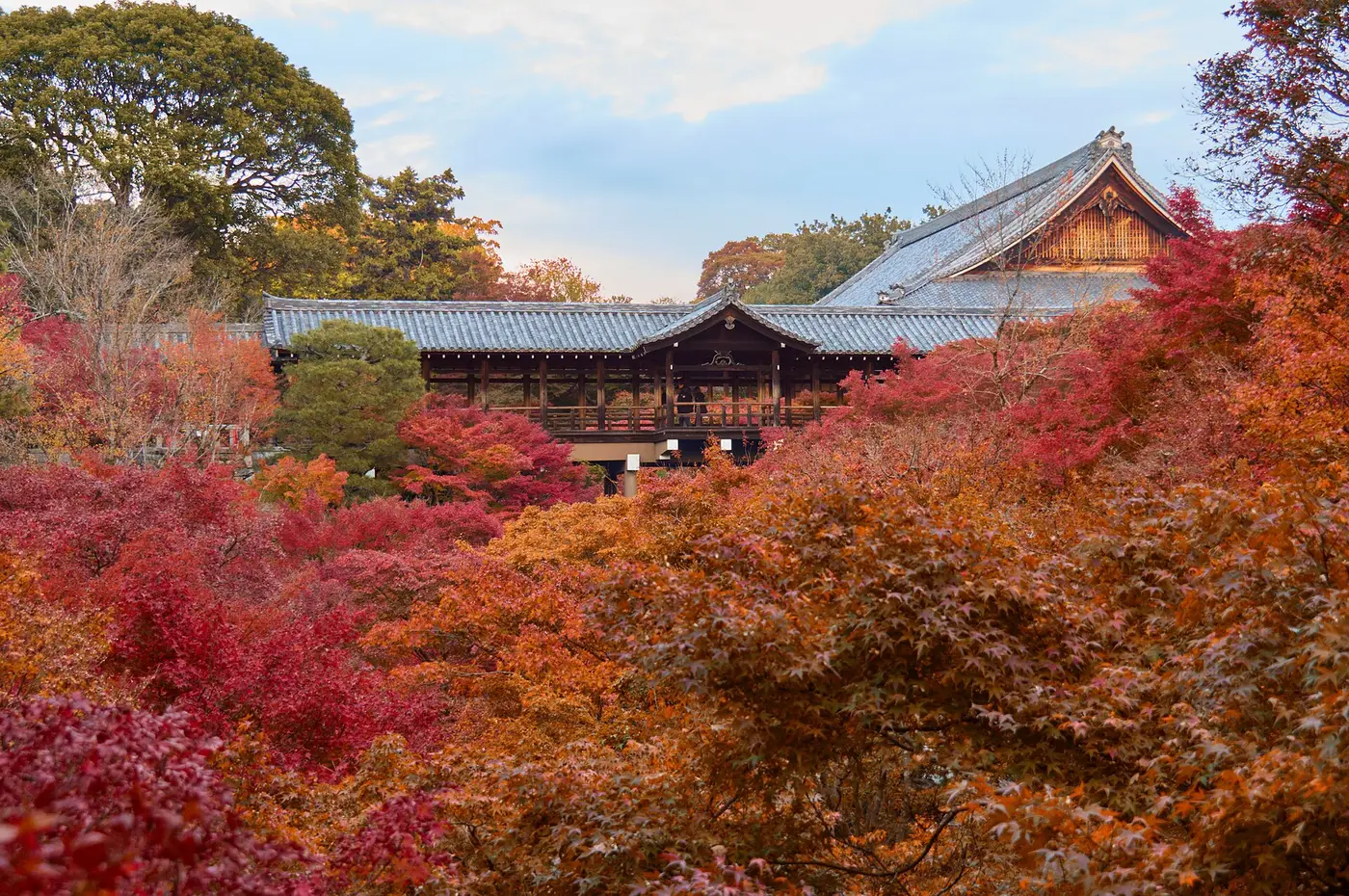
If you are planning a second day, turn to the southern side of the city. Tofuku-ji is a large Zen complex with deep gardens and a famous bridge over a ravine, and our Tofuku-ji temple guide explains how to plan that visit. Fushimi Inari, with its gates up the mountain, is also in the south, and our guide to the Fushimi Inari hike covers how to walk it.
Add a Quiet Temple Stop to Your Day
Add a quiet temple stop to your day. We operate Maiko & Zen Kyoto, a 90-minute session at Ikka-in, a sub-temple of Tofuku-ji, where a maiko dances in the same temple hall with no stage between you, then takes time for your questions and photos. See current session times and prices.
Frequently asked questions
How much does it cost to enter Kinkaku-ji?
Adults, meaning high school students and older, pay 500 yen.
What are the opening hours of Kinkaku-ji?
The temple is open from 9:00 am to 5:00 pm, and it is open every day.
Which bus stop do I use for Kinkaku-ji?
Get off the Kyoto City Bus at Kinkakuji-michi.
Can I see Kinkaku-ji and Tofuku-ji on the same trip?
Yes. The two temples are on opposite sides of the city, so many travelers give each one its own part of the day or its own day. Our Tofuku-ji guide covers the southern side.
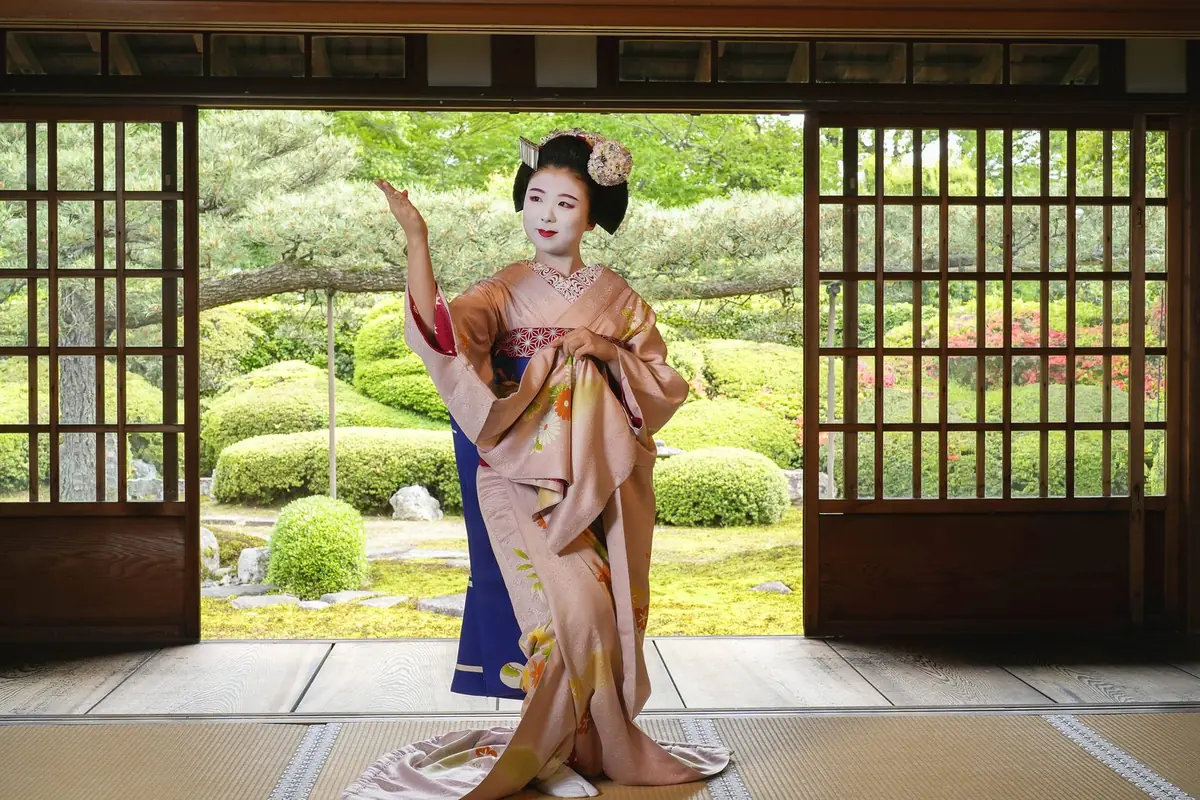
A maiko dance session at a Zen temple near Kyoto Station
Rake a Zen garden, watch two maiko dances and share green tea at Ikka-in, a temple rarely open to the public, one stop from Kyoto Station. Sessions start at 2:00 pm and 3:30 pm.
See the 2:00 pm and 3:30 pm sessions →Sources
- Shokoku-ji: Kinkaku-ji access and visitor information — Shokoku-ji
- Shokoku-ji: Kinkaku-ji — Shokoku-ji
- Shokoku-ji: About Kinkaku-ji — Shokoku-ji