Arashiyama Guide: What to See, How to Get There, and How to Plan Your Day
We operate the Maiko & Zen Kyoto experience mentioned in this guide.
Arashiyama is a district on the western side of Kyoto where a Zen temple, a bamboo grove, and a river bridge sit within one walk. This guide covers the practical side: what each place offers, how to reach it, what Tenryu-ji asks at the gate, and how to fit the area into a single day.
What to See in Arashiyama
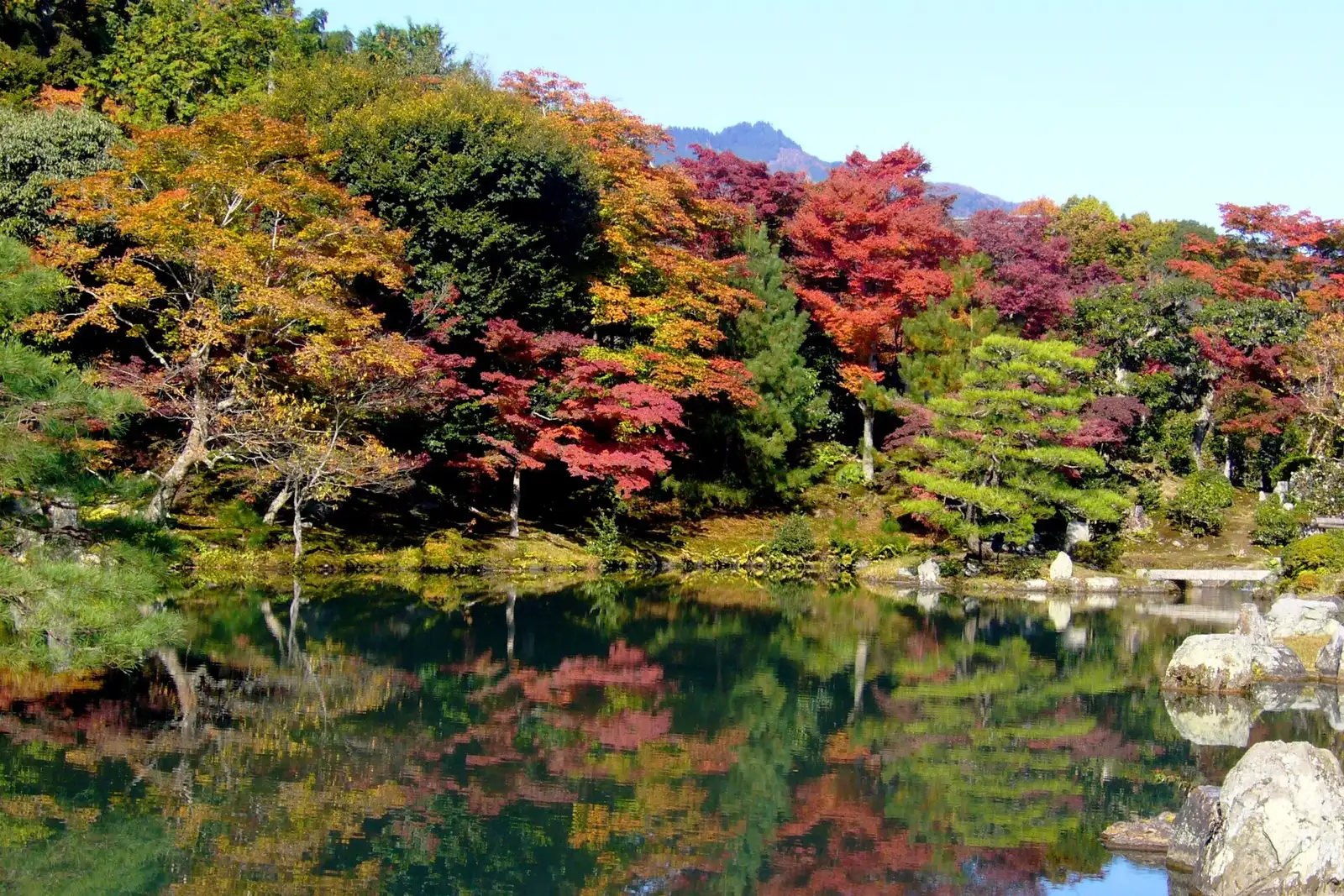
Tenryu-ji is the temple at the heart of the district. Its garden is a strolling pond garden laid out nearly seven hundred years ago by Zen master Muso Soseki. The pond, the rocks, and the wooded hills behind them are meant to be seen as you walk, so give the garden a slow loop instead of a quick look from one spot.
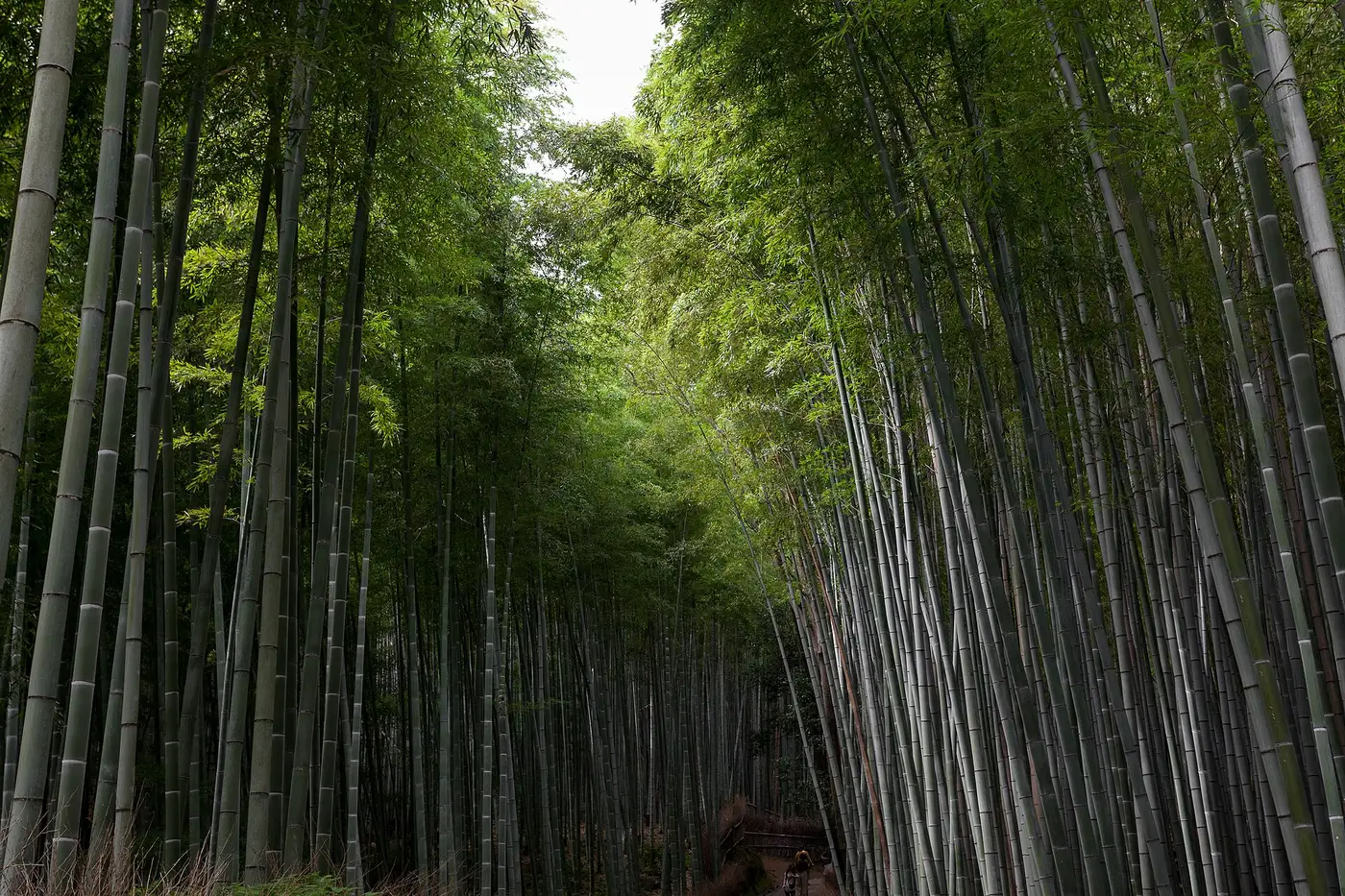
From the Hyakka-en garden path, the road beyond the north gate leads through the Sagano bamboo forest. That connection is what makes the two places easy to combine: you can step out of a temple garden and straight into tall green stalks that sway and rustle overhead.
Zen gardens reward patience. Look at how the pond edge, the stones, and the trees are arranged, then look again at the hills beyond them. Pausing at a few spots along the path shows how the view shifts with every few steps.
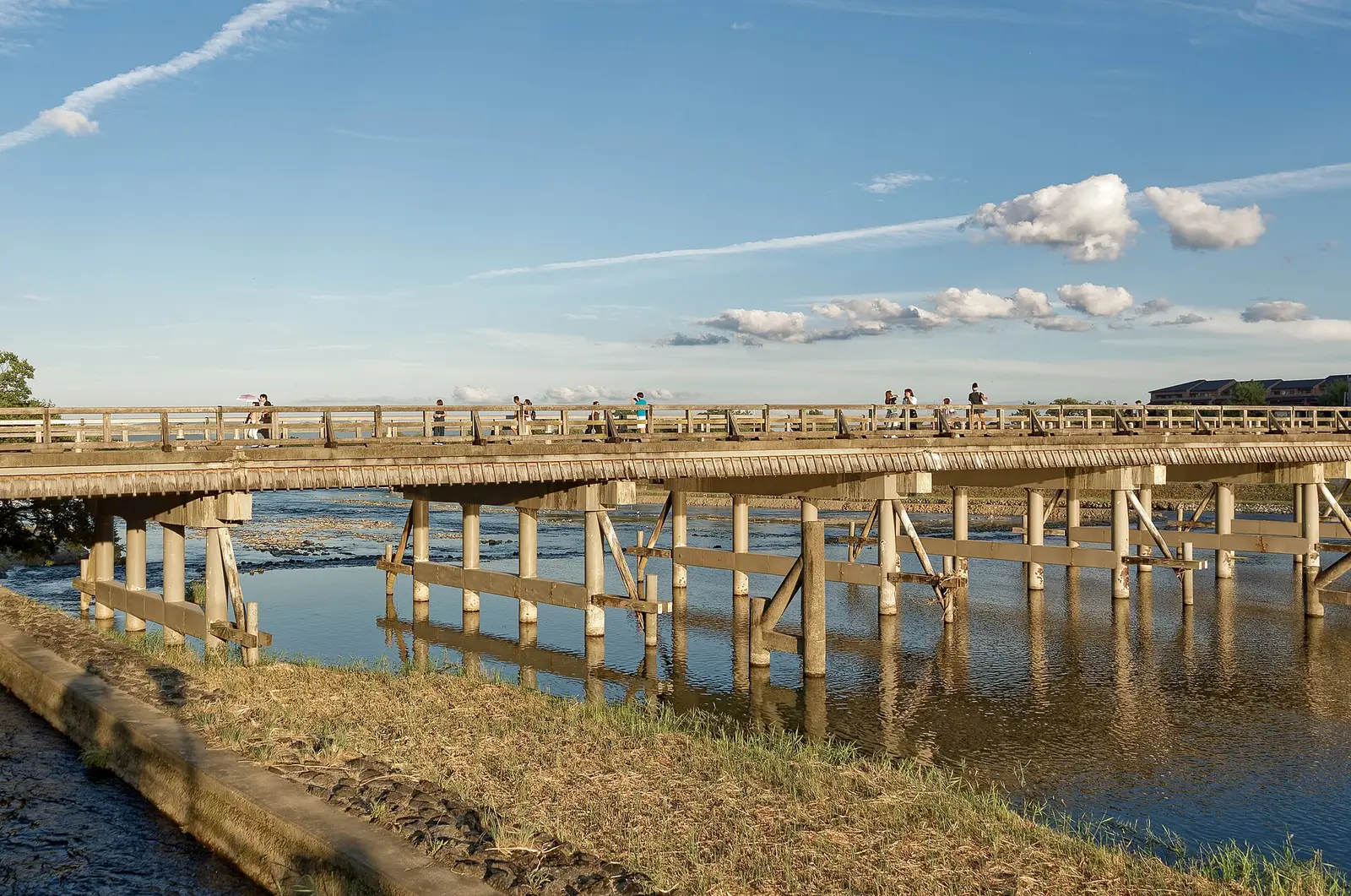
The Togetsu-kyo Bridge crosses the river at the edge of the district, with forested hills rising behind it. It is a good place to slow down after the temple and the grove, and to look back at the mountains that frame the whole area.
Tenryu-ji also holds a Cloud-Dragon Painting in its Dharma Hall. More on the painting appears further down this page.
A Simple Order for the Visit
Think of Arashiyama as three places to see: the temple garden, the bamboo grove, and the river area. A loose plan with a clear direction is enough.
A natural order is to enter Tenryu-ji, walk the pond garden, and leave by the north gate into the bamboo grove. From the grove, continue toward the river and the bridge, then finish the loop where you began. This keeps the walk moving in one direction and avoids doubling back.
If you prefer to begin at the river, start at the bridge and work back toward the temple. Either direction works, so choose the one that matches where your train or bus arrives.
Plan a meal break in the middle of the walk instead of leaving it to the end, and wear shoes that suit gravel paths and stone steps. A light layer helps on days when the wind comes down off the hills.
Getting to Arashiyama
From Kyoto Station, the trip to Saga-Arashiyama Station takes about 11 minutes by Rapid Service.
From Saga-Arashiyama Station, it is about an 8-minute walk to the Togetsu-kyo Bridge area. The bamboo grove is a 10-minute walk from the same station, and Tenryu-ji is 13 minutes on foot from Saga-Arashiyama Station on the JR Sagano Line.
Two other railways arrive at their own stations. On the Keifuku Arashiyama Line, Tenryu-ji is about 5 minutes on foot from Arashiyama Station. From the Hankyu Arashiyama Station, the walk to Tenryu-ji is about 15 minutes.
City buses also serve the temple. Shi Bus 11, 28, or 93 goes to the Arashiyama Tenryu-ji Mae stop.
Because each railway ends at a different station, check where your route finishes before you set out, and plan your walk from that point.
Tenryu-ji Tickets and Hours
The garden is open from 8:30 am to 5:00 pm, with last entry at 4:50 pm.
Garden admission is 500 yen for adults (high school and older), and entering the main halls costs 300 yen extra.
The Cloud-Dragon Painting in the Dharma Hall is 500 yen, and that fee is separate from the garden and buildings fee. The Dharma Hall is open on Saturdays, Sundays, holidays, and specially designated spring and autumn periods, so check the temple's visitor page for the current schedule if the painting is the main reason for your trip.
Closed Days and Special Dates
Tenryu-ji lists scheduled closings for 2026 on the afternoon of April 1 (from 12:30) and on October 29 and 30.
In 2026, the temple opens early from 7:30 am on November 14 to 30.
The Arashiyama Bamboo Light-up runs from 30 Sep to 08 Nov 2026.
Leaf and blossom viewing dates change from year to year, so check the official reports shortly before your trip and keep some flexibility in your plan.
Making the Day Easier
Arashiyama rewards a loose plan. Decide which of the three places is your priority and give it your full energy; the others can be shorter. If the garden is your priority, begin there and let the grove and the bridge fill the rest of the day.
Bring a small bag, a bottle of water, and a way to carry your shoes if you enter a hall that asks you to remove them. Temple halls and gardens have their own rules about photographs, so follow the signs and the staff, and please do not photograph other visitors without asking.
The hills behind the district are steep, so treat any climb as a separate outing from the temple, grove, and river walk. A café stop, a side street, or a bench by the water can be as much a part of the day as the famous sights, so leave room for one or two unplanned pauses.
Pairing Arashiyama with Southern Kyoto
Arashiyama sits on the west side of the city, while Fushimi Inari and Tofuku-ji sit in the south. Giving each side its own half day or full day keeps both walks relaxed.
If you are planning the southern half of your trip, our Tofuku-ji temple guide and our Fushimi Inari hike guide cover those stops in detail. For a wider view of how the days fit together, see our Kyoto itinerary, and for more Zen gardens beyond Arashiyama, read our zen garden guide for Kyoto.
Add a Quiet Temple Stop to Your Day
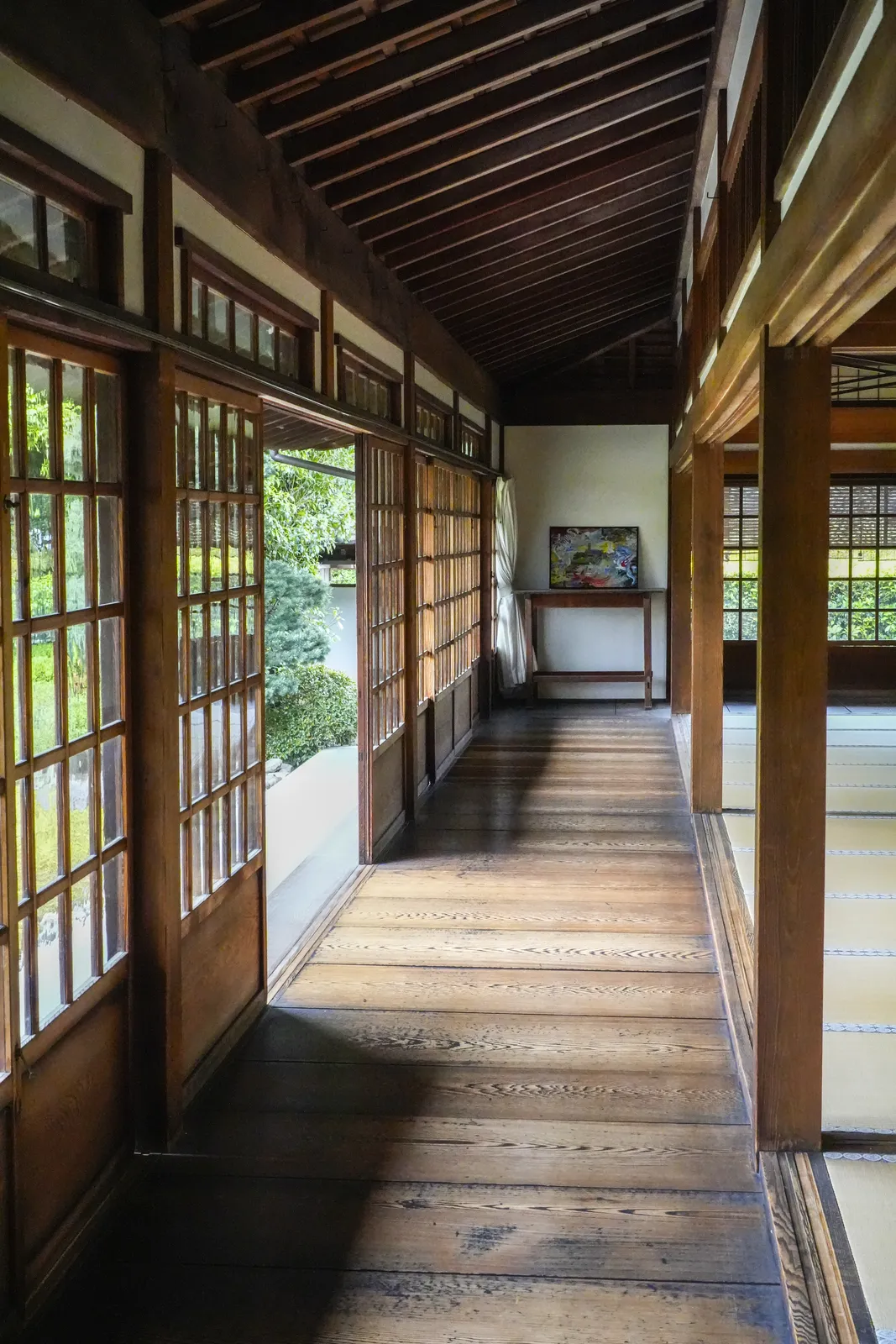
Add a quiet temple stop to your day. We operate Maiko & Zen Kyoto, a 90-minute session at Ikka-in, a sub-temple of Tofuku-ji, where a maiko dances in the same temple hall with no stage between you, then takes time for your questions and photos. See current session times and prices.
Frequently asked questions
How do I get from Kyoto Station to Arashiyama?
From Kyoto Station, the trip to Saga-Arashiyama Station takes about 11 minutes by Rapid Service. The bamboo grove is a 10-minute walk from the same station.
How much does Tenryu-ji cost?
Garden admission is 500 yen for adults (high school and older), and entering the main halls costs 300 yen extra. The Cloud-Dragon Painting in the Dharma Hall is 500 yen, and that fee is separate from the garden and buildings fee.
What are the opening hours of Tenryu-ji?
The garden is open from 8:30 am to 5:00 pm, with last entry at 4:50 pm.
Which comes before the other, the bamboo grove or Tenryu-ji?
A simple order is to walk the temple garden and leave by the north gate. From the Hyakka-en garden path, the road beyond the north gate leads through the Sagano bamboo forest. Starting at the river and working back toward the temple also works.
Is Tenryu-ji closed on any dates in 2026?
Tenryu-ji lists scheduled closings for 2026 on the afternoon of April 1 (from 12:30) and on October 29 and 30.
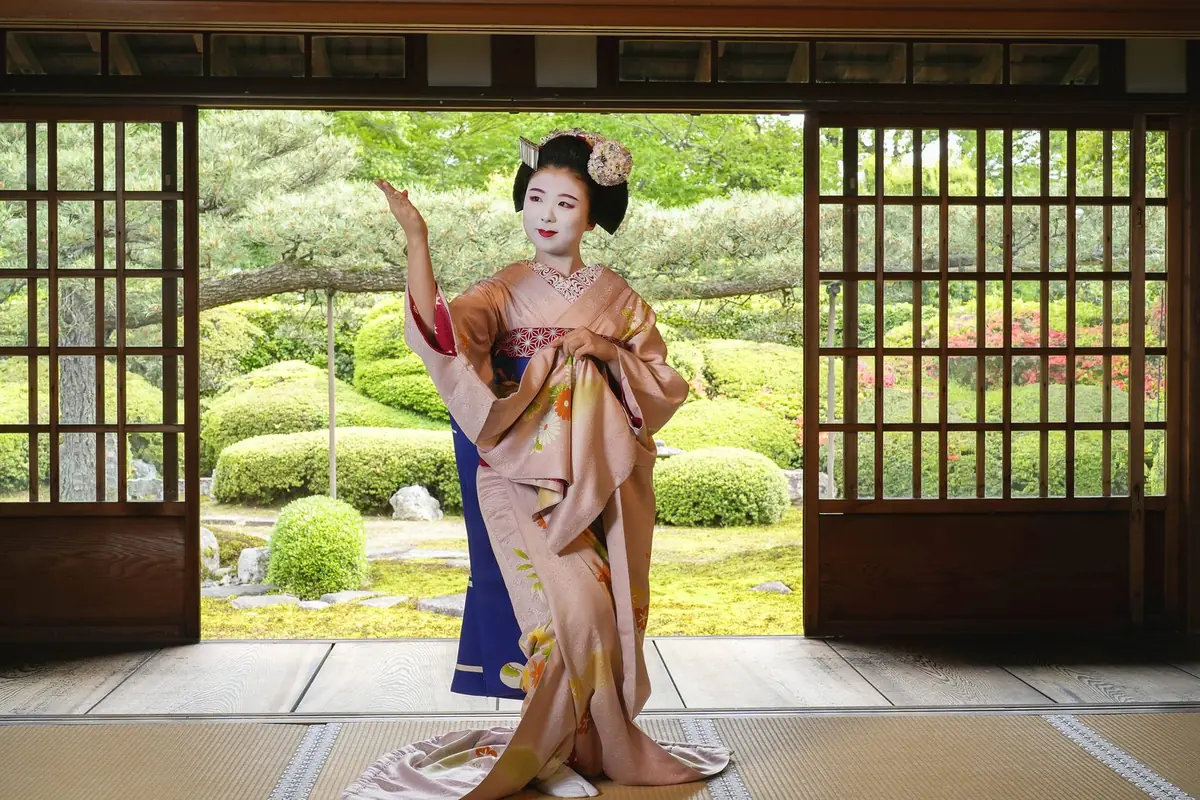
A maiko dance session at a Zen temple near Kyoto Station
Rake a Zen garden, watch two maiko dances and share green tea at Ikka-in, a temple rarely open to the public, one stop from Kyoto Station. Sessions start at 2:00 pm and 3:30 pm.
See the 2:00 pm and 3:30 pm sessions →Sources
- Tenryu-ji: Admission and Access — Tenryu-ji
- Tenryu-ji: What to See — Tenryu-ji
- Comfortable access to Saga/Arashiyama — Kyoto City Tourism Association
- Arashiyama Bamboo Grove — Japan National Tourism Organization