Kyoto 2 Day Itinerary: One Direction for Each Day
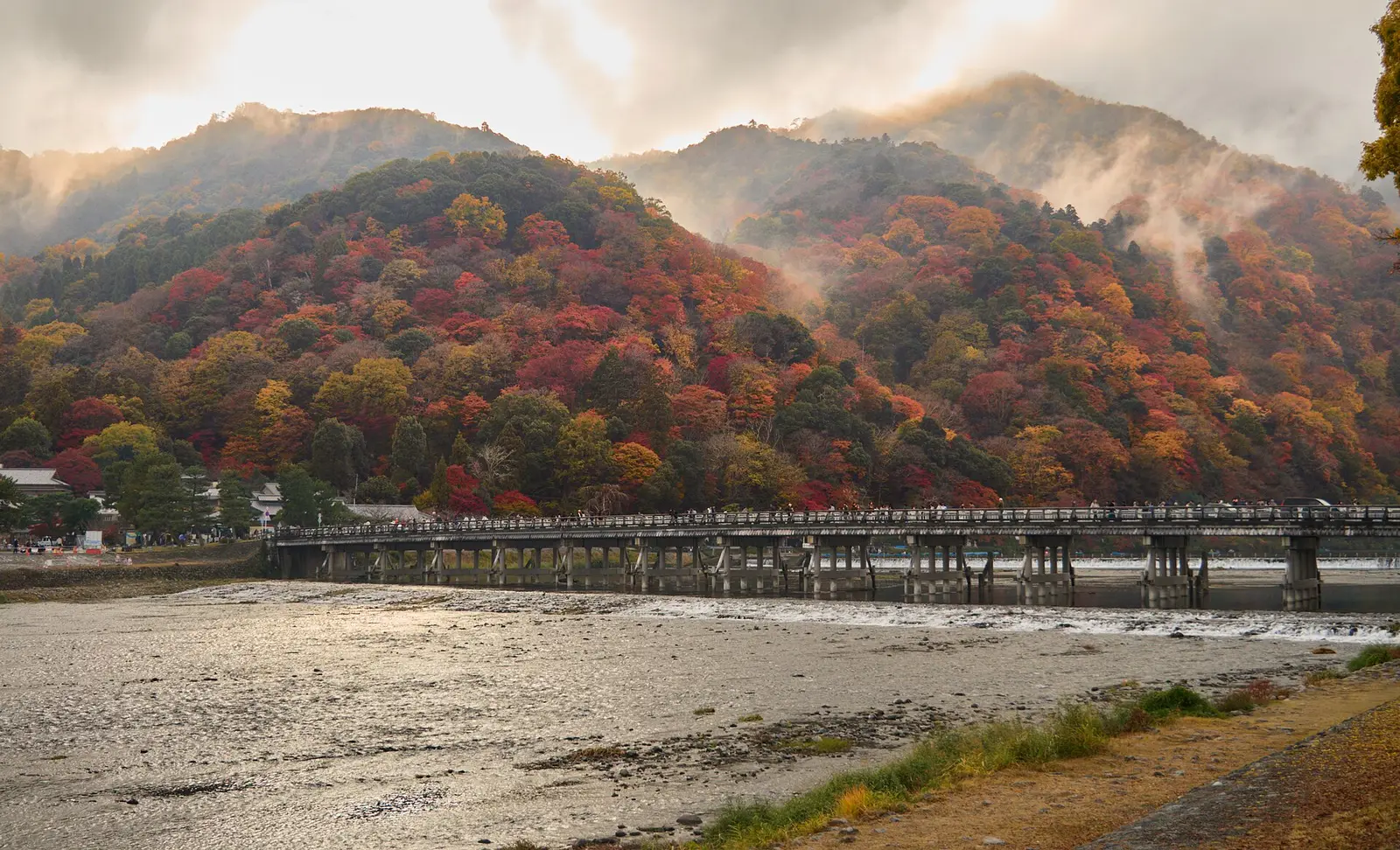
We operate the Maiko & Zen Kyoto experience mentioned in this guide.
Two days in Kyoto is enough for a good first look, as long as you stop trying to see everything. This plan gives each day one direction: the northwest on the first day, and the east and south on the second. Check each stop's official page for current details before you go.
Is Two Days Enough for Kyoto?
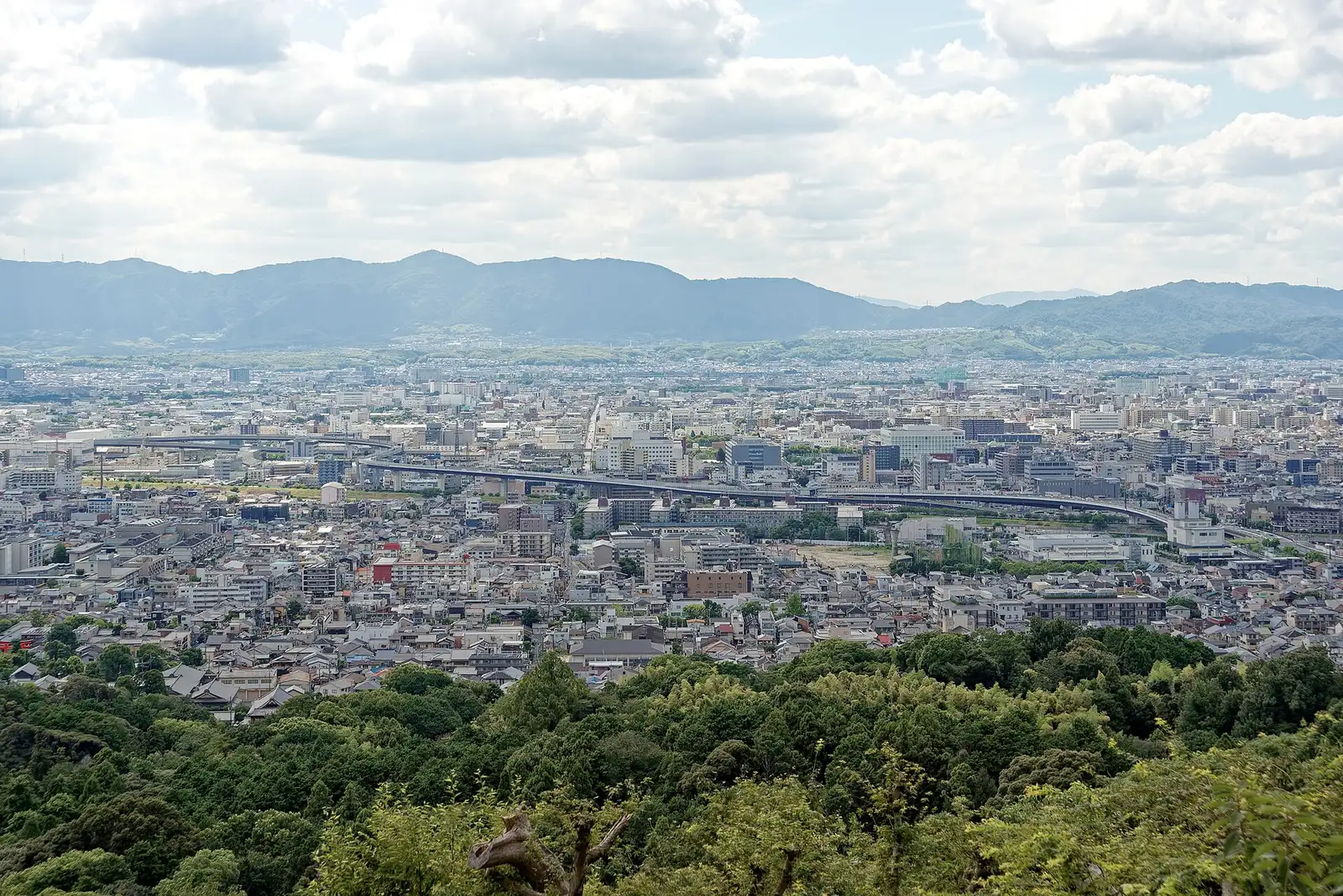
Two days works if you treat it as a short list rather than a checklist. Kyoto's famous places are spread across a wide city, and every cross-town move takes a slice of the day. A plan that links places by direction loses less of that time.
Choose four or five main stops, leave a gap for lunch, and let the rest go. If a stop is on your list just because other itineraries include it, cut it. The plan below keeps five: Arashiyama, the Golden Pavilion of Kinkaku-ji, Kiyomizu-dera, Fushimi Inari Taisha, and a seated stop in the south to end the second day. If you have more time, our three-day Kyoto itinerary adds a day of gardens and a castle.
Split the Two Days by Direction
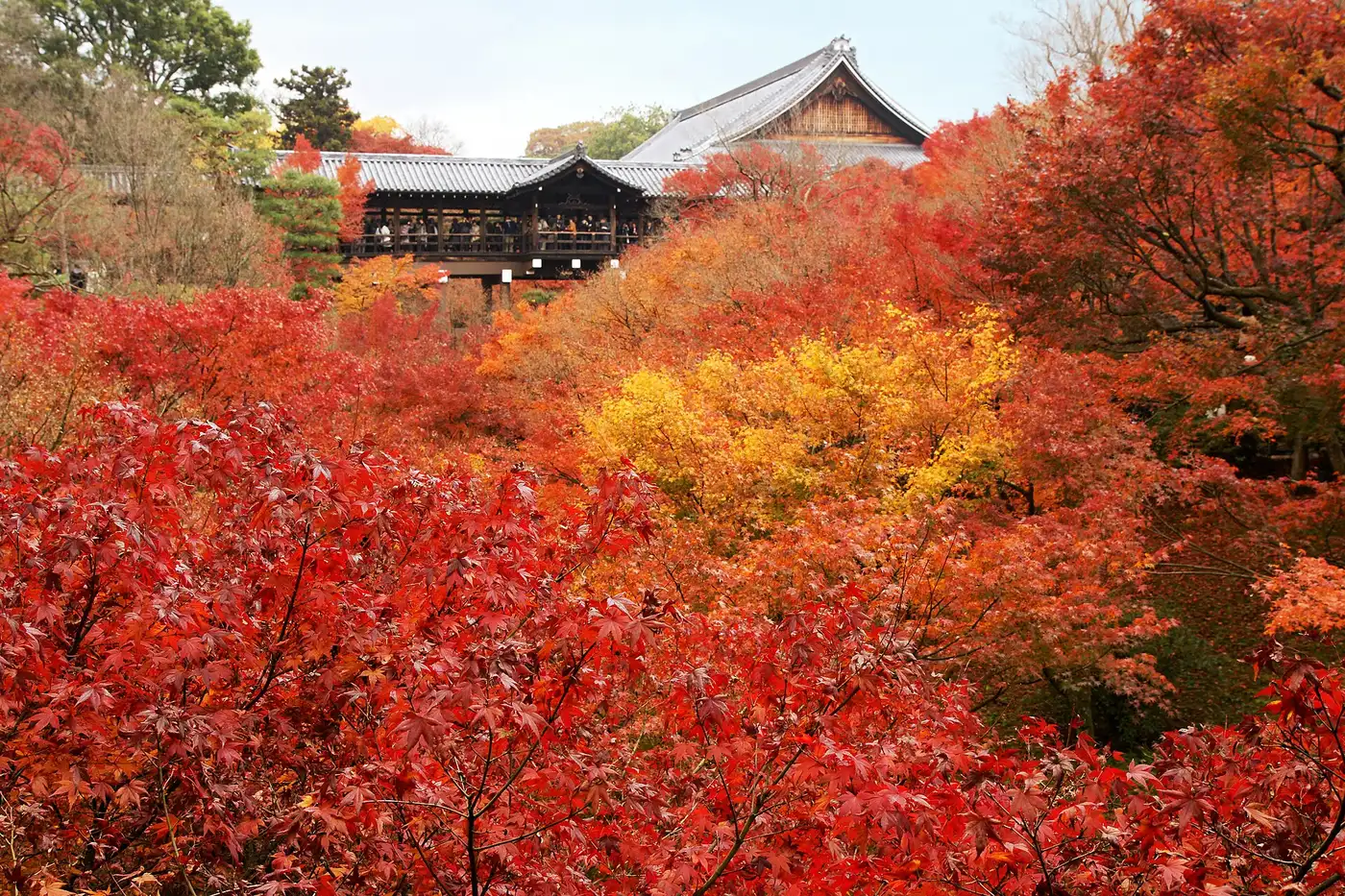
Group the stops by where they are, not by how famous they are. Arashiyama and Kinkaku-ji sit in the west and north of the city, while Kiyomizu-dera, Fushimi Inari Taisha, and Tofuku-ji lie along the east and south. Putting each group on its own day keeps you from crossing the city again and again.
Each day then has a clear anchor. The first day is built around Arashiyama and the Golden Pavilion, and the second around the east and the south, ending at a temple in the south.
The First Day: Arashiyama and the Golden Pavilion
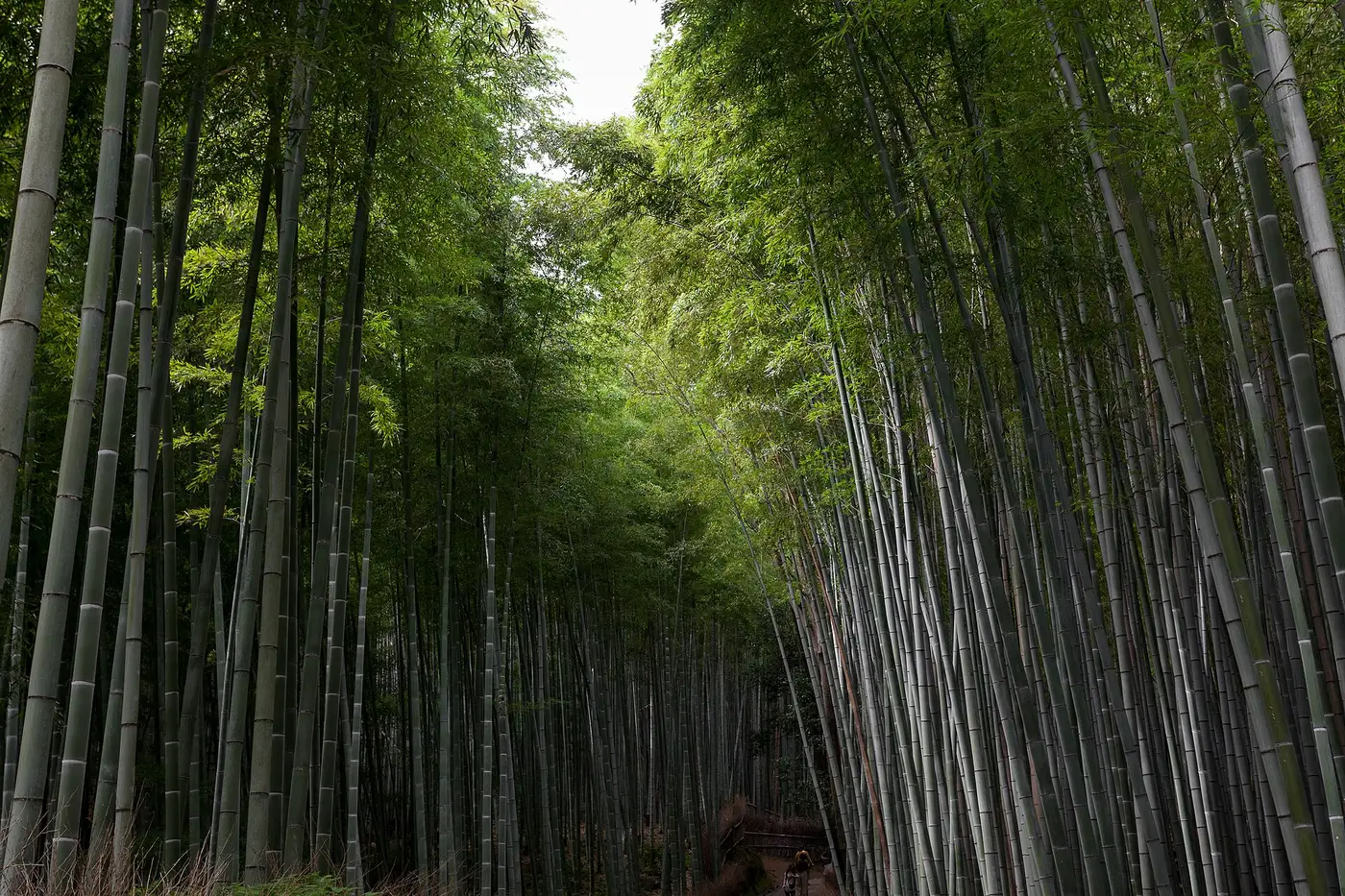
Begin in Arashiyama. From Kyoto Station, a rapid train on the JR line takes about 11 minutes to Saga-Arashiyama Station. From that station, Tenryu-ji is 13 minutes on foot.
The garden of Tenryu-ji is open from 8:30 am to 5:00 pm, with last entry at 4:50 pm, and adults (high school and older) pay 500 yen for the garden. That makes it a natural first stop, since you can walk in when the garden opens.
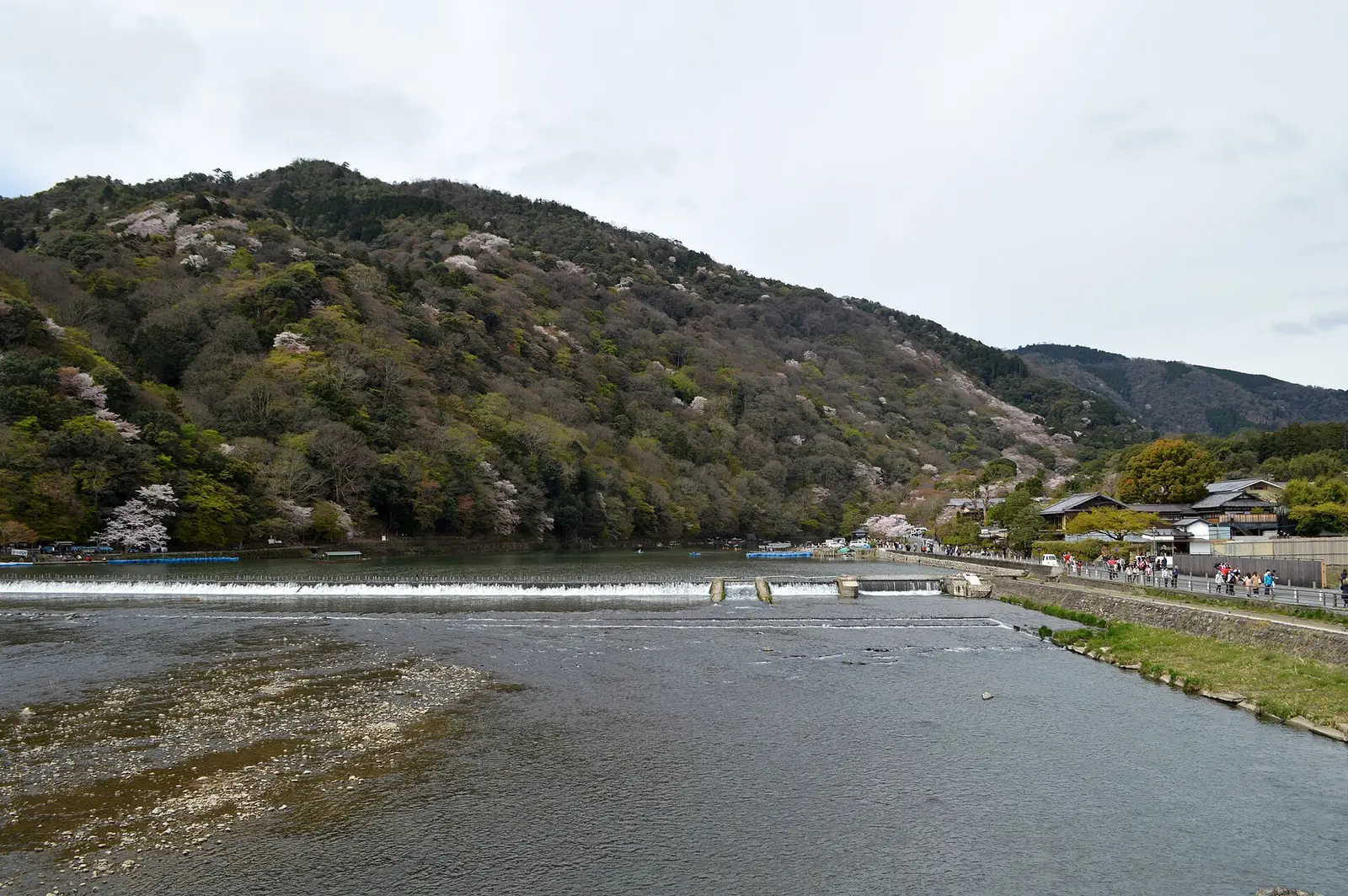
After the garden, walk down to the Katsura River, where wooded hills frame the view of the water. Our Arashiyama guide lists more stops if you want to stay longer. Leave this part of the day unhurried, because the second half of the day moves to the north of the city.
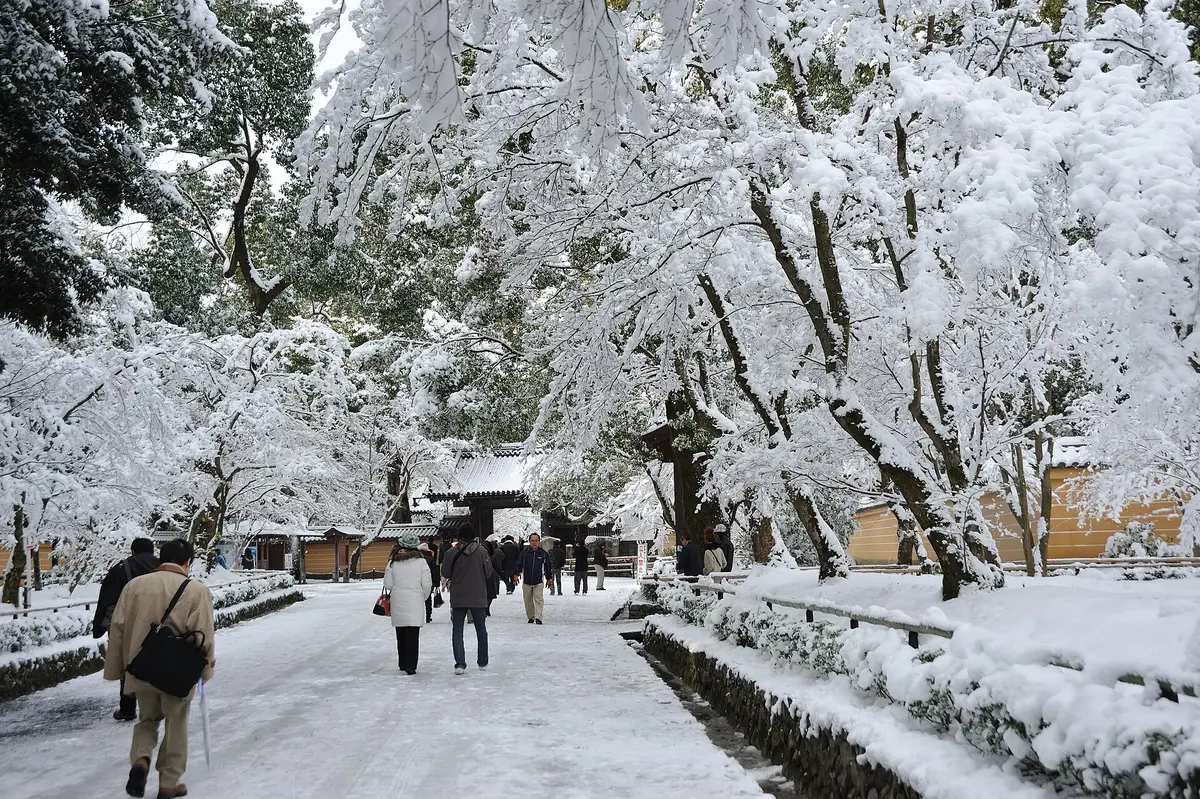
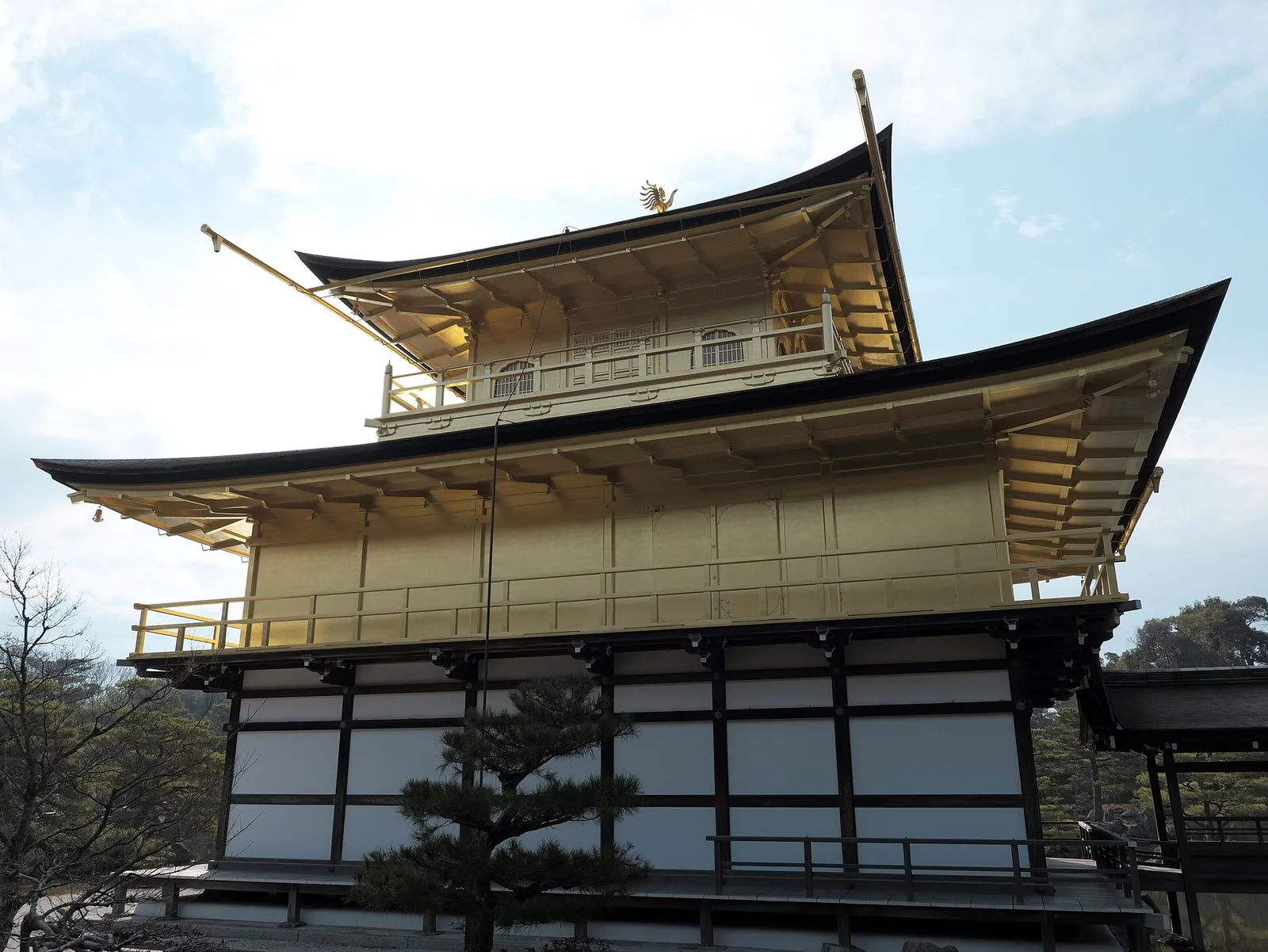
For the afternoon, continue to Kinkaku-ji. Take a Kyoto City Bus and get off at Kinkakuji-michi. Kinkaku-ji is open every day from 9:00 am to 5:00 pm, and adult admission is 500 yen, so plan to arrive well before closing. Its main hall is the Relics Hall (Shariden), commonly known as the Golden Pavilion. Our Kinkaku-ji guide has more on the grounds.
The Second Day: Kiyomizu-dera, Fushimi Inari and the South
Start with Kiyomizu-dera. It usually opens at 6:00 am and closes at 6:00 pm, with closing at 6:30 pm in July and August. From Kyoto Station, take City Bus 206 or 100 to Gojozaka, then walk about 10 minutes. Our Kiyomizu-dera guide covers the stage and the paths around it.
Then go back to Kyoto Station and take the JR Nara Line to Inari Station, 2 stations and 5 minutes from Kyoto Station. Fushimi Inari Taisha is right next to Inari Station.
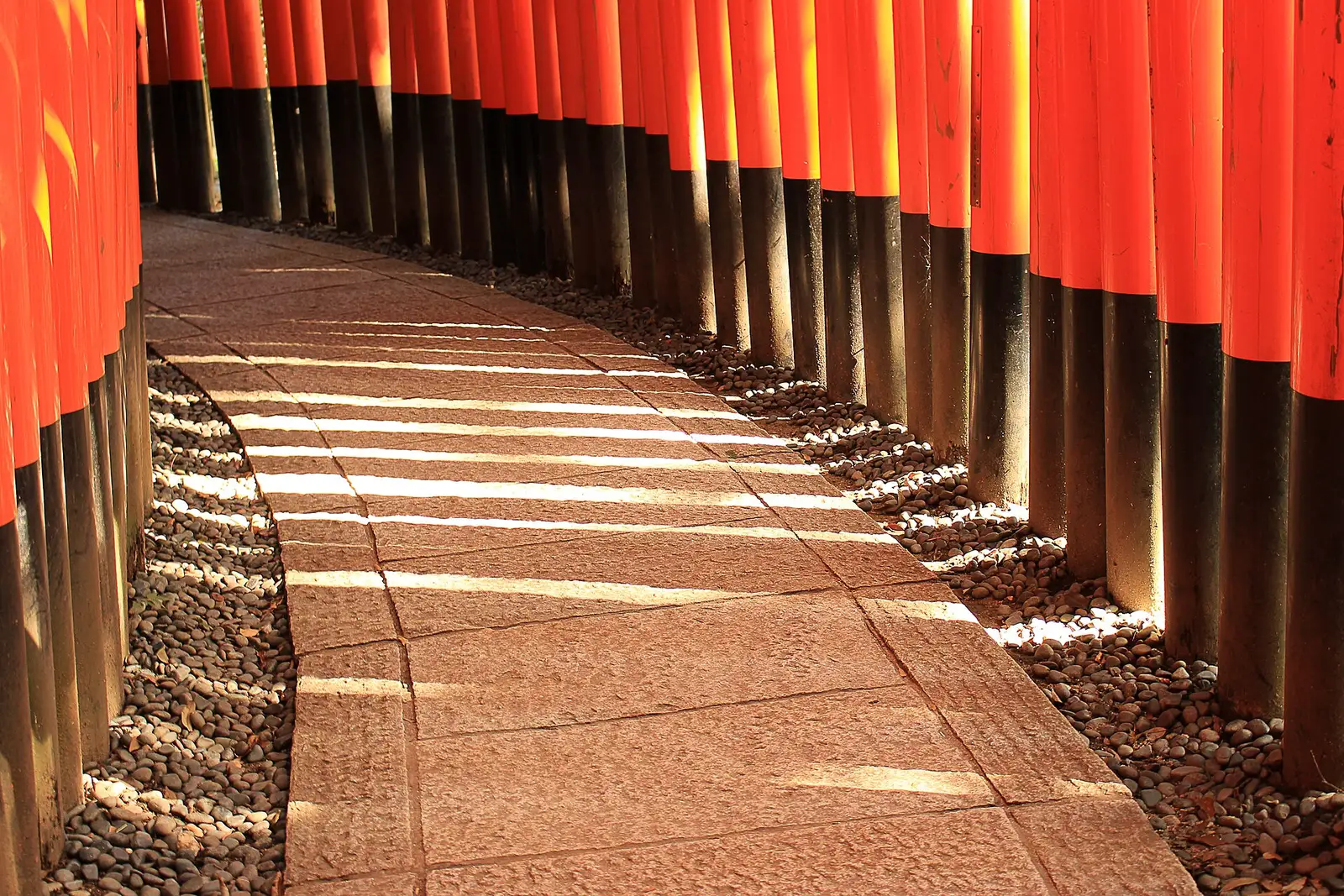
Inariyama is a 233 m high holy mountain, and the whole mountain is considered part of the shrine precinct. That is good news for a two-day plan, because you can choose your own turning point. Walk through the first torii gates, climb as far as your energy allows, and head down for lunch. The shrine asks visitors to avoid taking photographs or filming in a way that stops worshippers from passing on narrow paths, so step aside before you raise the camera. Our Fushimi Inari hike guide describes the options in more detail.
From Inari, Tofukuji is the next station back toward Kyoto, about 2 to 3 minutes by local train, which is why the south works well as the end of the day.
A Seat at a Temple in the South
After a long day of walking, a seated stop gives your legs a rest and gives the trip a calm ending. Tofuku-ji is one stop from Kyoto Station on the JR Nara Line, and Tofukuji Station is about 3 minutes from Kyoto Station. For the temple itself, see our Tofuku-ji guide.
Our Session at Ikka-in
We operate Maiko & Zen Kyoto at Ikka-in, a sub-temple of Tofuku-ji that is rarely open to the public. Unlike a theater program, where you watch from a seat facing a stage, the maiko dances in the same temple hall as you, with no stage between you, and then takes time for your questions and photos. If a small group, time to talk with a maiko, English support, and photos matter to you, this can be the last stop of your second day.
Sessions start at 2:00 pm and 3:30 pm and last 90 minutes, with sencha and a sweet. The price is 23,000 yen per person for the 90 minutes, which includes the maiko's dance, time to talk, and photos together. Guests from age 6 can join.
Here is one way the second day can flow:
- 6:00 am: Kiyomizu-dera. The grounds usually open at 6:00 am, so you can start the day there.
- Late morning: Fushimi Inari Taisha. Take the JR Nara Line to Inari Station and climb as far as you like.
- Lunch. Eat before the session so the afternoon stays unhurried.
- 2:00 pm: the session at Ikka-in. The 3:30 pm start gives you more time for lunch or a longer climb.
- After the session. Tofukuji Station is about 3 minutes from Kyoto Station on the JR Nara Line, so the ride back to the city is short.
Passes and Moving Around
Between stops you will mostly use trains and City Buses. A single ride on a Kyoto City Bus costs 230 yen for adults in the flat-fare zone, and the Subway and Bus 1-Day Pass costs 1,100 yen for adults. Because it is a 1-Day pass, you would buy one for each day you use it.
Add up the rides you plan for each day before you buy. If the total comes to less than the pass, pay per ride instead.
Swaps for Rain or a Tired Day
If rain or tired legs change your plans, swap rather than skip. On the first day, give Arashiyama more room and drop Kinkaku-ji, or the other way around. On the second day, climb only part of Inariyama and spend the saved time at the temple in the south. Our rainy day guide for Kyoto has indoor ideas to keep in your pocket.
Details can change from year to year, so confirm them on each official page before you go.
Add a quiet temple stop to your day. We operate Maiko & Zen Kyoto, a 90-minute session at Ikka-in, a sub-temple of Tofuku-ji, where a maiko dances in the same temple hall with no stage between you, then takes time for your questions and photos. See current session times and prices.
Frequently asked questions
Is two days enough for Kyoto?
Two days is enough for four or five main stops if you group them by direction. Add a third day if you want gardens, a castle, or a slower pace.
Should I buy a transit pass for two days?
Compare the rides you plan for each day with what the pass costs before you buy. The Subway and Bus 1-Day Pass costs 1,100 yen for adults, and a single City Bus ride in the flat-fare zone costs 230 yen for adults.
Can I swap the two days?
Yes. Each day is built around one direction, so you can swap them. Confirm each stop on its official page first, because details change from year to year.
How far up Fushimi Inari should I climb?
The whole of Inariyama is part of the shrine precinct, and the mountain is 233 m high, so you can turn back at any point. Decide your turning point before you start so the rest of the day stays relaxed.
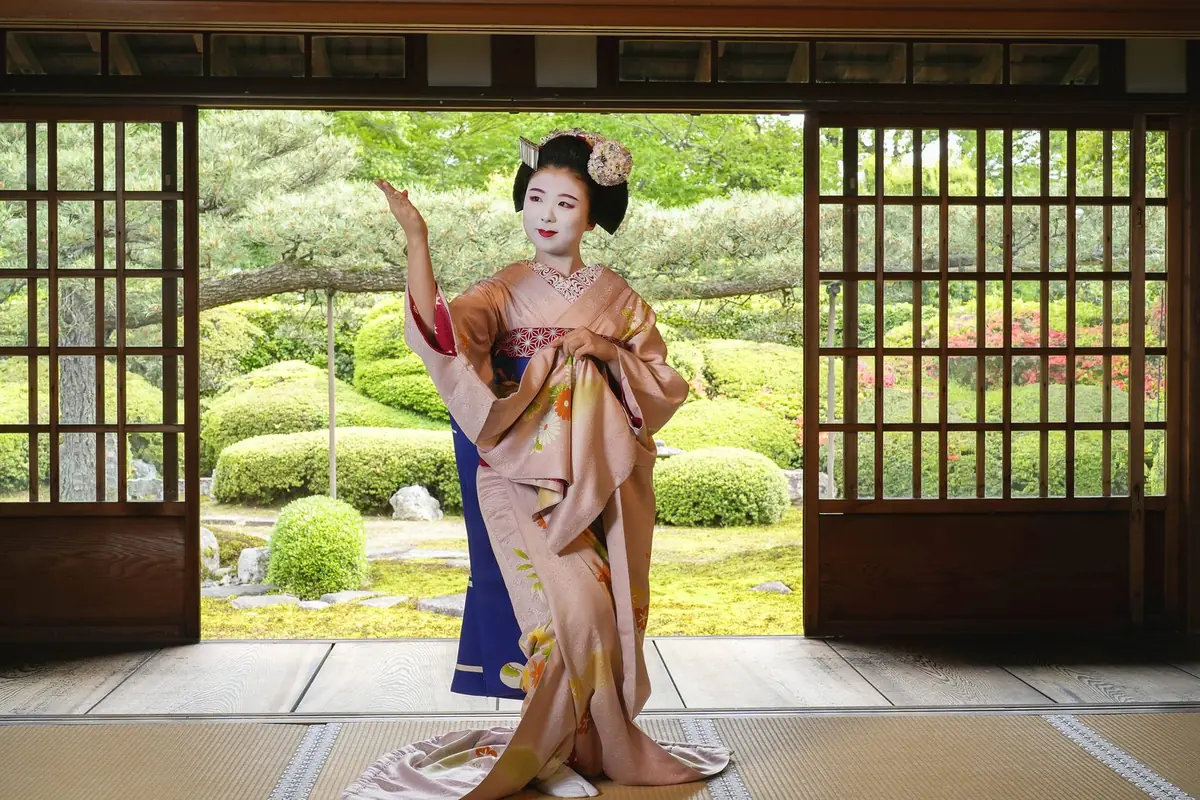
A maiko dance session at a Zen temple near Kyoto Station
Rake a Zen garden, watch two maiko dances and share green tea at Ikka-in, a temple rarely open to the public, one stop from Kyoto Station. Sessions start at 2:00 pm and 3:30 pm.
See the 2:00 pm and 3:30 pm sessions →Sources
- Kiyomizu-dera: open hours — Kiyomizu-dera
- Kiyomizu-dera: access — Kiyomizu-dera
- Fushimi Inari Taisha: access — Fushimi Inari Taisha
- Tenryu-ji: visiting — Tenryu-ji
- Kinkaku-ji: access and hours — Shokoku-ji
- Subway and Bus 1-Day Pass — City of Kyoto Transportation Bureau
- Kyoto City Bus fares — City of Kyoto Transportation Bureau