Zen Buddhism Basics for Visitors to Kyoto
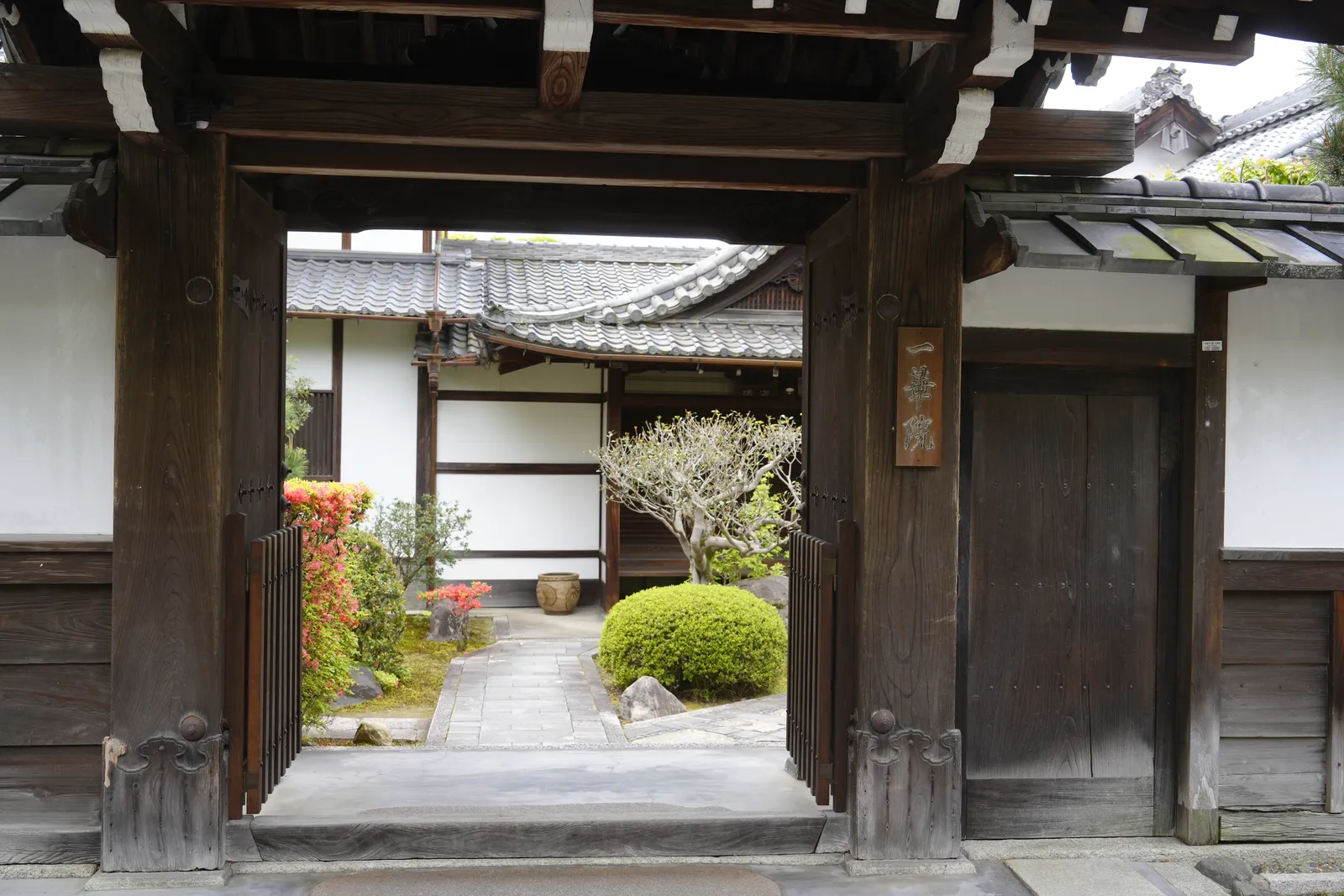
We operate the Maiko & Zen Kyoto experience mentioned in this guide.
Walking through the gate of a Zen temple in Kyoto can feel like stepping into another world, especially if you know little about what happens inside. You do not need to study Buddhism before you go. A few clear ideas about what Zen is, where it came from, and how a temple day is shaped will make the quiet halls and gardens easier to read. This guide keeps to the basics and leaves the deeper study to the temples themselves.
What Zen Buddhism Is
Zen is one of the schools of Buddhism, and its center is the practice of meditation. Japan's national tourism organization describes Zen Buddhism as the practice of meditation to reach self-realization and enlightenment. It also notes that those who practice Zen do not rely on powerful deities but are guided by their teacher.
In other words, the emphasis falls on your own practice, with a teacher as your guide. Buddhism itself arrived in Japan sometime in the 6th century through China and Korea, according to the same source.
For a visitor, this is a practical point. You can enjoy a Zen temple without knowing its teachings in detail, and you are welcome to come simply to look and sit quietly.
How Zen Took Root at Tofuku-ji
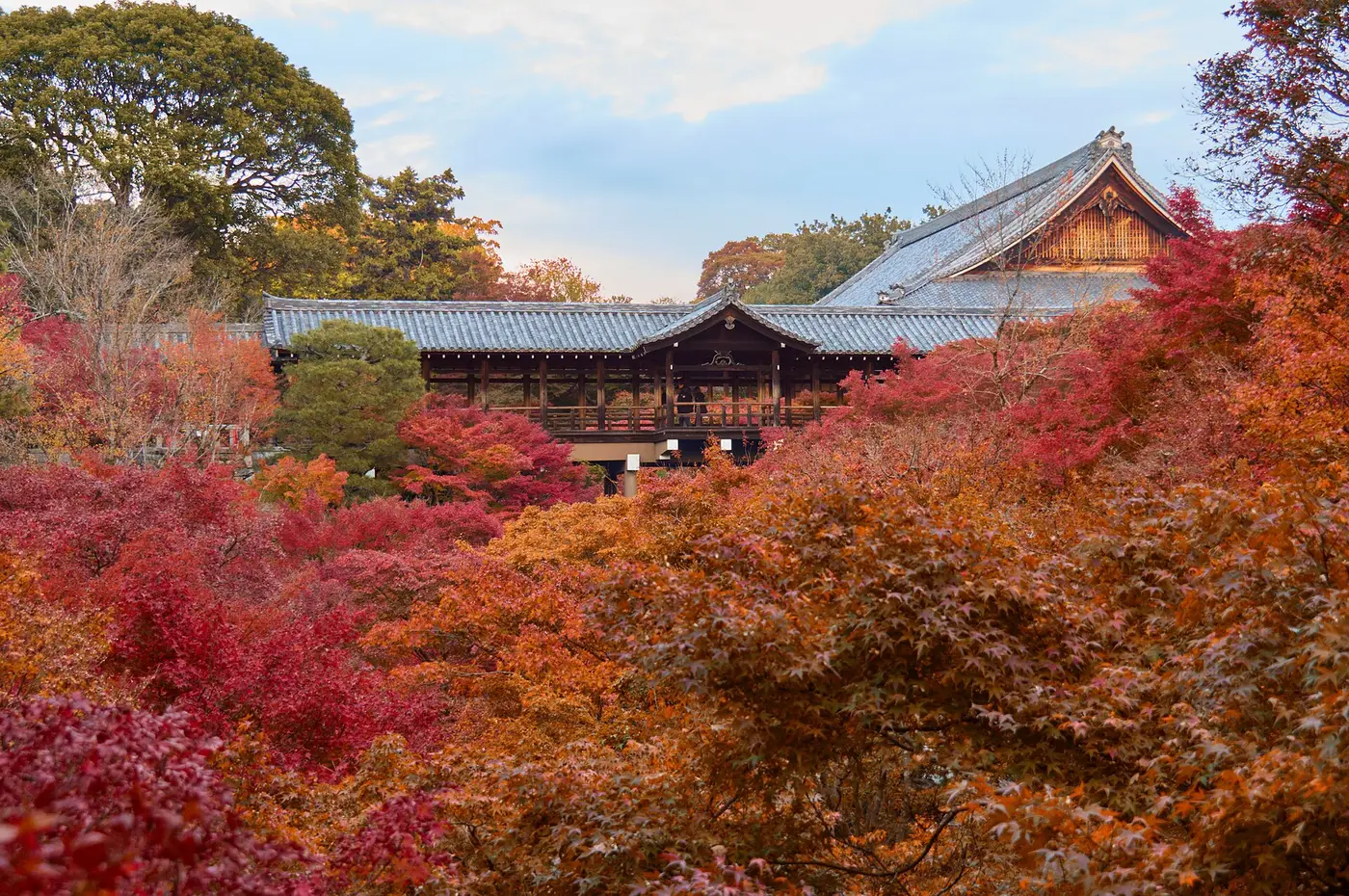
Kyoto's Tofuku-ji offers one example of how Zen took hold in the city. Its official history tells the story of its founder, Enni Ben'en, who went to Song China in 1235 at age 34, stayed 6 years, and returned in the 7th month of 1241.
The temple itself was built by the regent Kujo Michiie over 19 years, from 1236 to 1255, with Enni as its founding priest. At first, its halls served the combined study of Tendai, Shingon, and Zen. After rebuilding, Tofuku-ji took the form of a fully Zen temple, and today it is the head temple of the Tofuku-ji branch of the Rinzai school.
The founder is also known by the title Shoichi Kokushi. The temple's history records that this title was given by Emperor Hanazono, and that it was the first title bestowed by an emperor on a Japanese Zen monk. If you visit, it helps to know that the story of the temple begins with those years of study abroad.
If you would like to see the temple for yourself, the temple's access page notes that the JR Nara Line from Kyoto Station to Tofukuji Station takes about 3 minutes, followed by about 10 minutes on foot. For a deeper look at the grounds themselves, our Tofuku-ji temple guide covers what to see there.
Zazen: The Practice at the Heart of Zen
Zazen is seated meditation. Japan's national tourism organization describes zazen as a sitting posture in a quiet, tidy place. The breath flows quietly and naturally, without being controlled. Thoughts come and go without judgment, neither pursued nor escaped.
Put simply, zazen asks you to sit, breathe, and notice. You are not trying to empty your mind by force. When a thought appears, you neither chase it nor push it away, and you come back to sitting. You can try the same idea for a few quiet breaths the next time you sit and look at a temple garden.
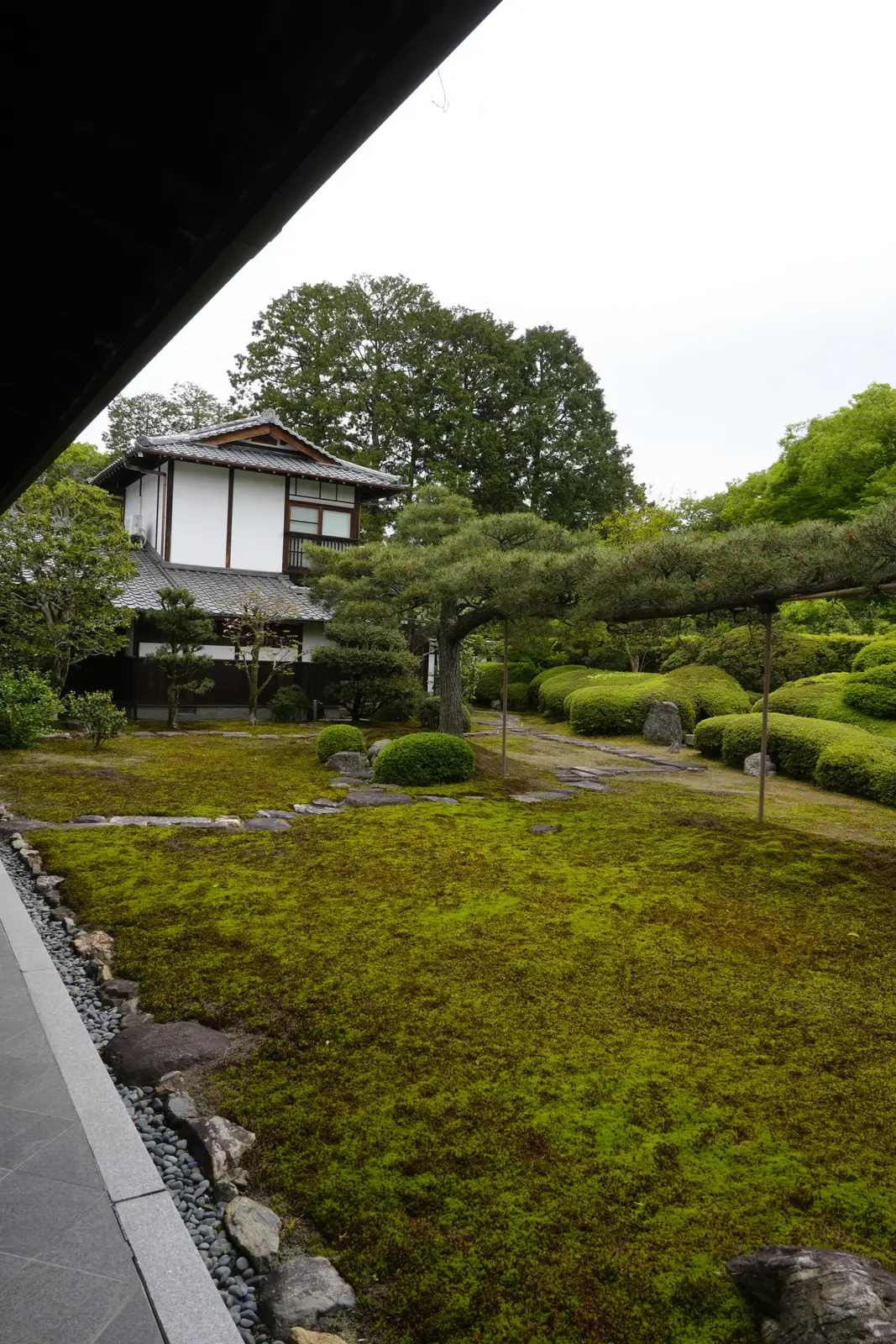
In the photo above, a moss garden with rounded shrubs and pines stretches out from the edge of a temple building. A calm view like this is a good place to pause and look.
If you would like to try zazen, Japan's national tourism organization notes that reservations are usually needed to join a zazen lesson, and that a typical session teaches the basics of meditation.
Life Inside a Zen Temple
Beyond the halls you can tour, a temple keeps its own daily rhythm. Some temples offer lodging to visitors, and these stays give a small view into that life.
Japan's national tourism organization explains that temple lodgings in Japan may offer early morning devotions called gongyo, and that the type depends on the Buddhist sect. The same source notes that shojin ryori, temple food, does not use meat, fish, dairy, or egg products.
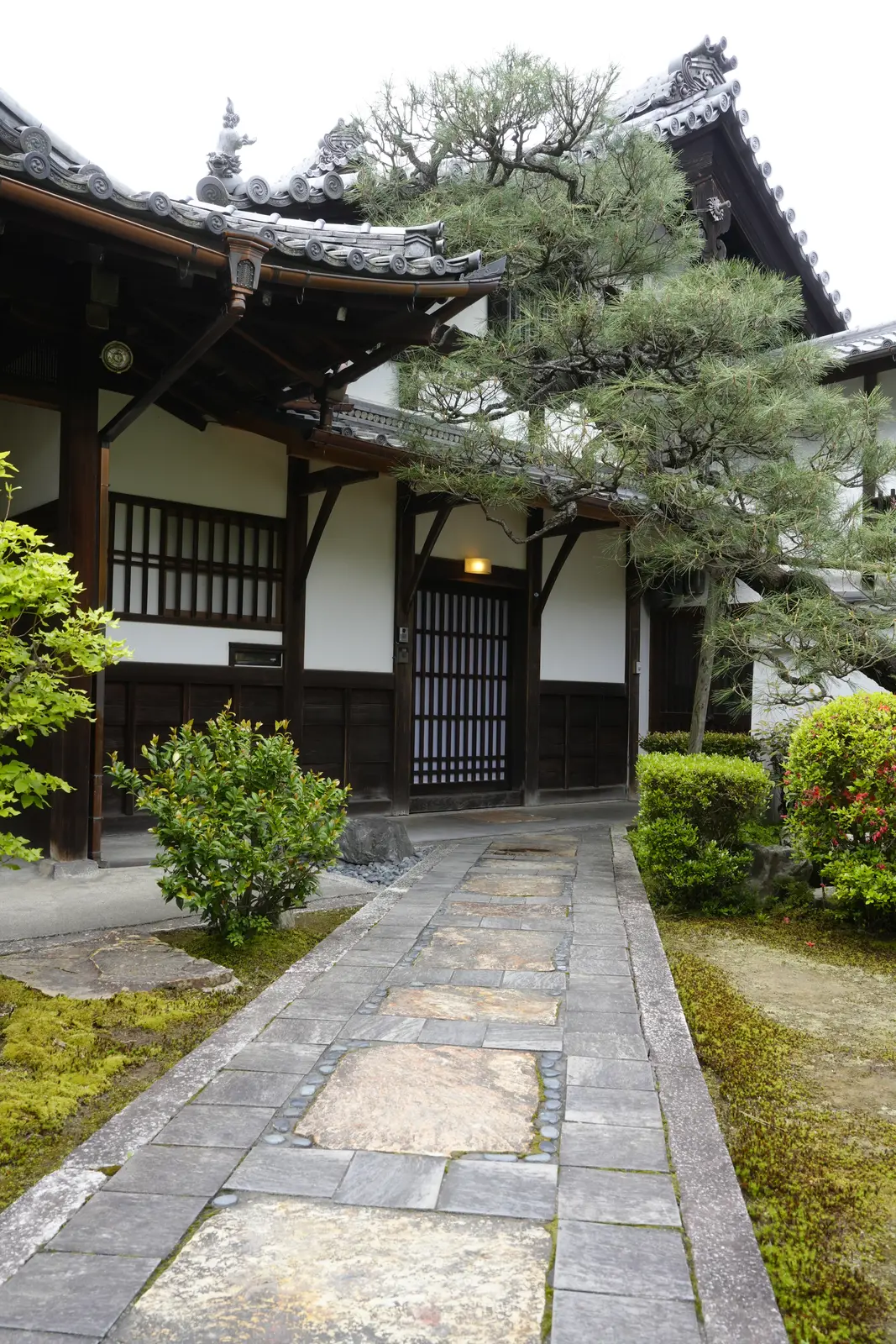
The stone path in the photo above leads past moss and shrubs to a wooden temple building. A quiet path like this is a good place to slow your steps before you reach the hall.
If you are curious about Kyoto's food culture, our guide to wagashi, Japanese tea sweets is a gentle next step.
Visiting a Zen Temple as a Beginner
You do not need to be a Buddhist to visit a Zen temple, and a little care goes a long way. A few habits will help:
- Speak softly in the halls and gardens.
- Follow the signs and the staff on where to walk and where to take photos.
- If you plan to try zazen, book ahead and arrive with time to settle.
- Take a moment to sit and look before you move on. A Zen garden rewards a slow look.
- Leave room in your plans, so that the visit does not feel rushed.
Each temple sets its own rules, so check the temple's official page before your visit. At Tofuku-ji, for example, visitors are asked not to eat or drink on the grounds or use tripods for photography.
If Kyoto's culture of maiko and geiko is also on your list, our explainer on maiko vs geiko is a clear place to begin.
Add a Quiet Temple Stop to Your Day
Add a quiet temple stop to your day. We operate Maiko & Zen Kyoto, a 90-minute session at Ikka-in, a sub-temple of Tofuku-ji, where a maiko dances in the same temple hall with no stage between you, then takes time for your questions and photos. See current session times and prices.
Frequently asked questions
Is Zen a religion or a way of thinking?
Zen is a school of Buddhism. Japan's national tourism organization describes Zen Buddhism as the practice of meditation to reach self-realization and enlightenment, guided by a teacher rather than by powerful deities.
What happens in a zazen lesson for visitors?
Japan's national tourism organization notes that a typical zazen session teaches the basics of meditation, and that reservations are usually needed to join a lesson.
Which school of Zen does Tofuku-ji belong to?
Tofuku-ji is the head temple of the Tofuku-ji branch of the Rinzai school, according to the temple's own website.
What is shojin ryori?
Shojin ryori is the food of Buddhist temples. Japan's national tourism organization explains that it does not use meat, fish, dairy, or egg products.
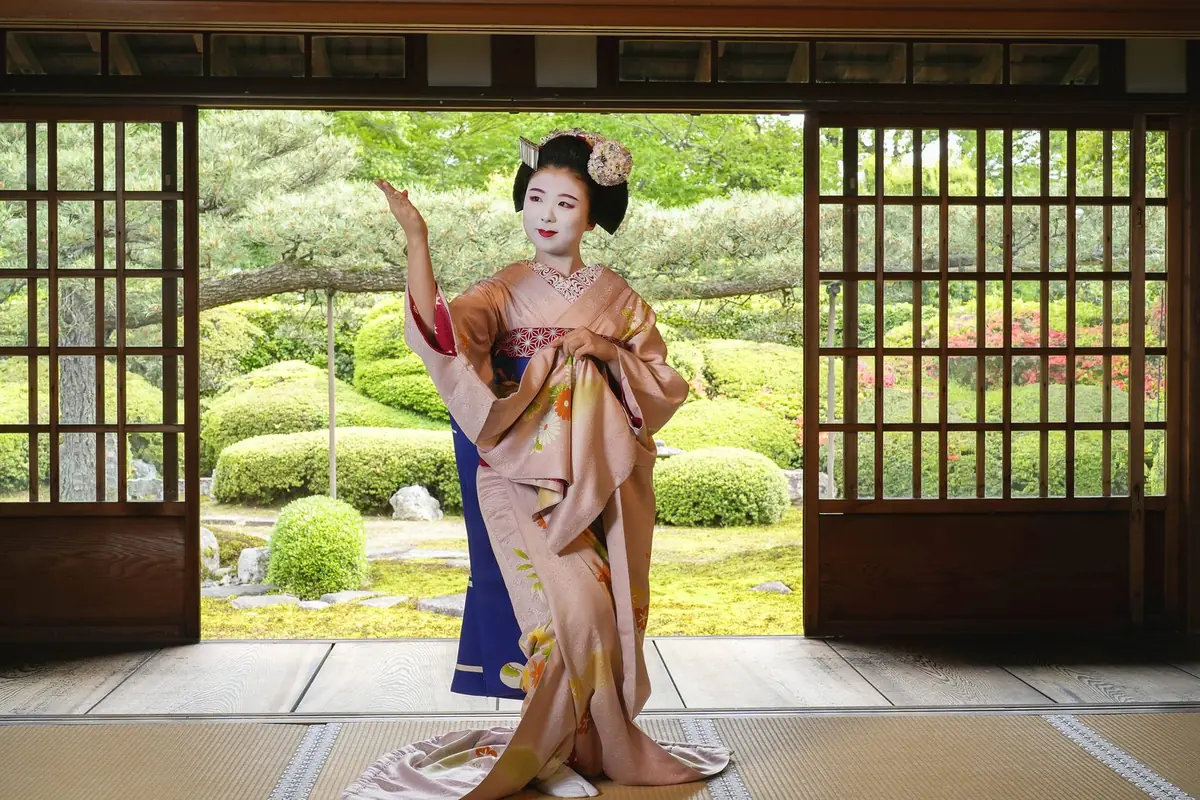
A maiko dance session at a Zen temple near Kyoto Station
Rake a Zen garden, watch two maiko dances and share green tea at Ikka-in, a temple rarely open to the public, one stop from Kyoto Station. Sessions start at 2:00 pm and 3:30 pm.
See the 2:00 pm and 3:30 pm sessions →Sources
- History of Tofuku-ji — Tofuku-ji
- How to Meditate in Japan — Japan National Tourism Organization
- Temple Stays — Japan National Tourism Organization