Yukata vs Kimono: What Sets Them Apart
We operate the Maiko & Zen Kyoto experience mentioned in this guide.
If you plan to wear Japanese clothing in Kyoto, or you simply want to understand what you see on the street, one question comes up quickly: yukata or kimono? The two look alike at a glance, yet they differ in purpose, cloth, and feel. This guide explains the difference in plain terms, so you can choose with confidence and enjoy your outing.
Yukata and Kimono: The Basic Difference
According to the Japan National Tourism Organization, kimono is a form of traditional formal wear, while yukata is more casual. The same source describes the yukata as a type of kimono.
In other words, the two are not rivals. They belong to one family, and the real question is which one suits the moment. A helpful picture is a family of garments, with the kimono as its formal member and the yukata as its relaxed one.
Fabric and Weight: What You Can See and Feel
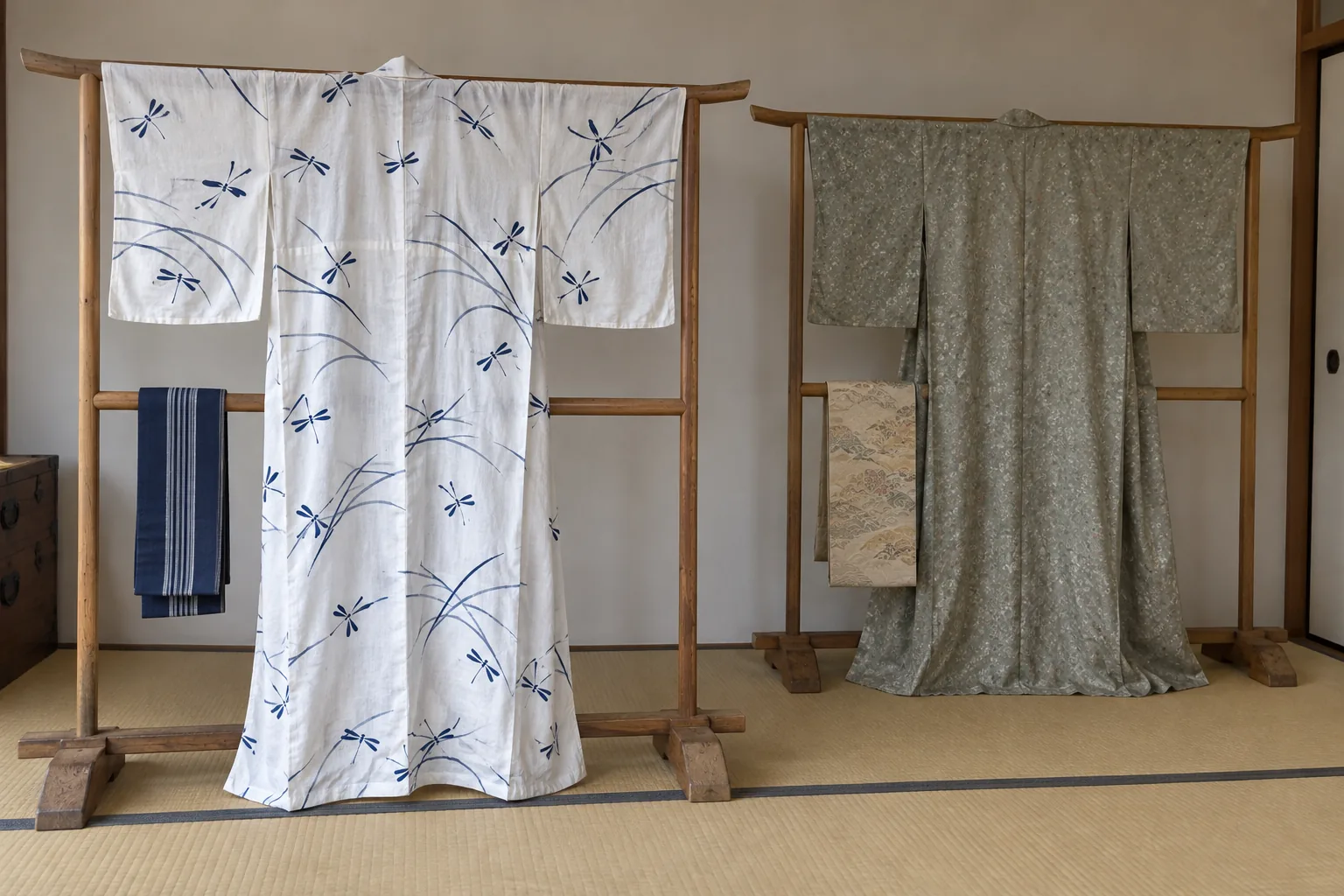
Fabric is the clearest clue when you look closely. The tourism organization notes that kimono is usually made of silk, cotton, and wool. Yukata, by contrast, is made of cotton or cotton mixed with hemp.
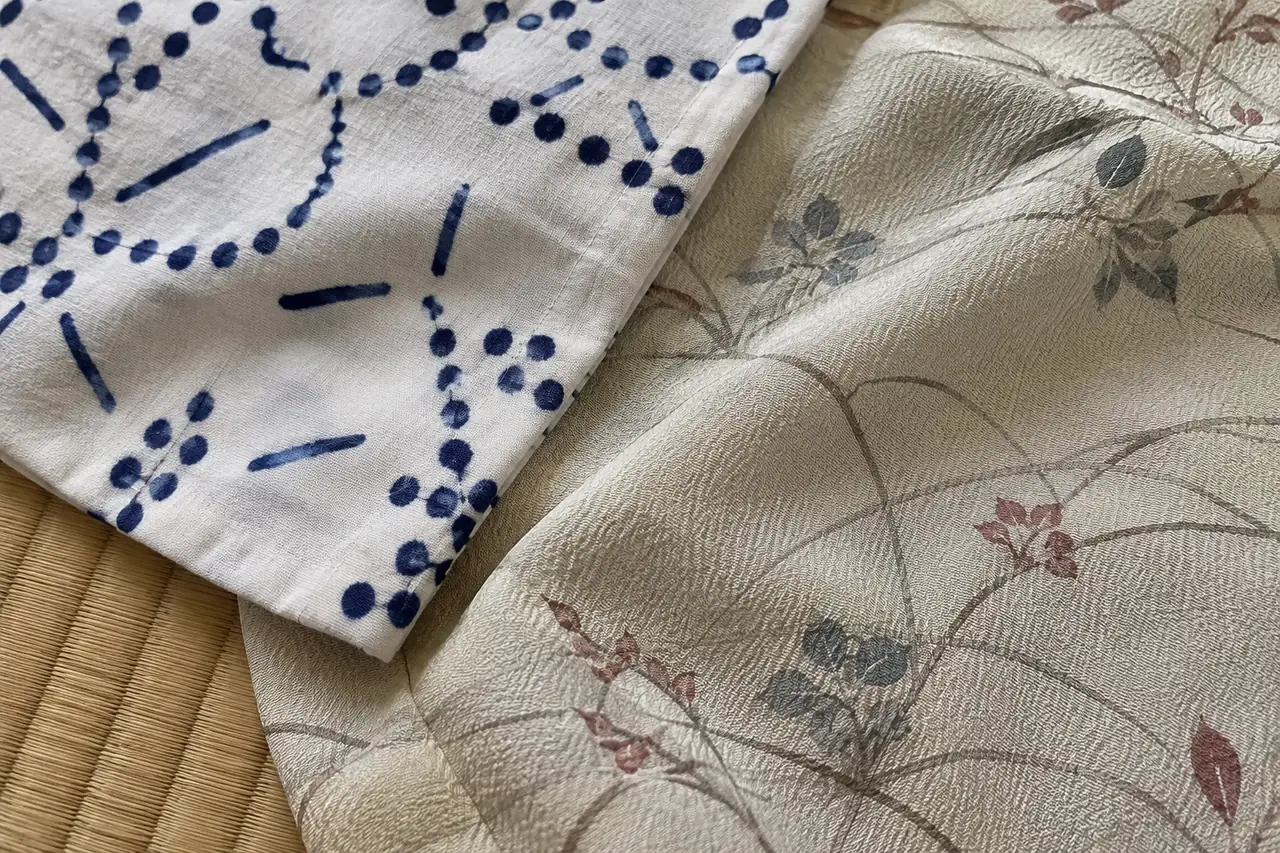
Weight is the second clue. Kimono is made of heavy fabric, while slightly transparent and lighter fabric is used for producing yukata. That difference in cloth shapes how each garment looks and feels on the body.
A simple way to remember the contrast:
- Look at the cloth: a heavier cloth points to a kimono, and a lighter, slightly see-through cloth points to a yukata.
- Think about the mood: a formal mood suits the kimono, and a casual mood suits the yukata.
- Ask your host or shop staff, if you are unsure, what a garment is meant for.
Where the Yukata Came From
The yukata has a humble origin. Traditionally, yukata was worn for baths and then to sleep, which explains its relaxed character.
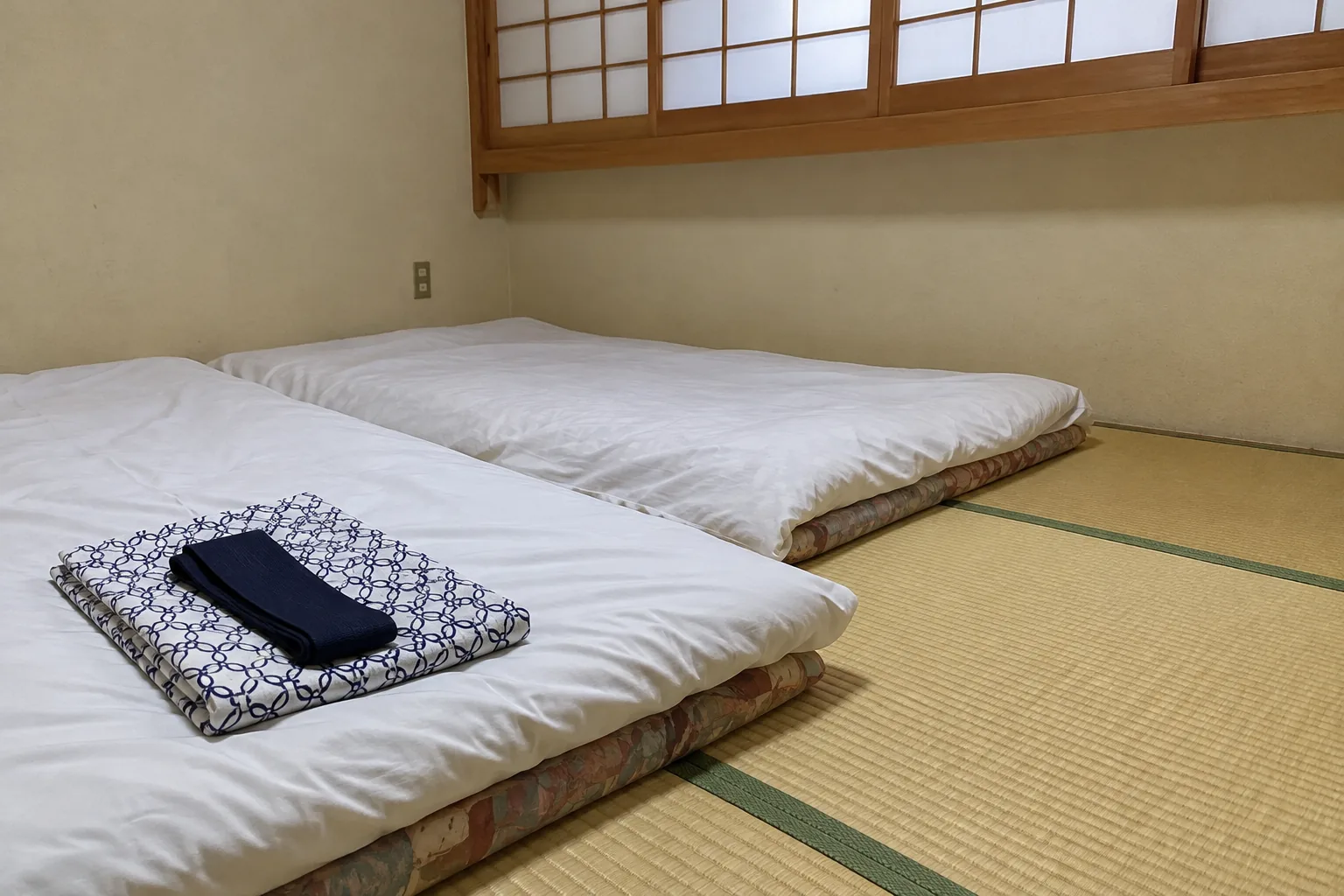
That history still shows today. Yukata is still the traditional wear typically provided for guests at ryokan, the traditional Japanese inns. If you stay at one in Kyoto, ask the staff how and where you may wear it.
Why People Choose a Yukata
As summer wear, the yukata is made with comfort and airflow in mind. This is the reason it feels so light and easy to wear.
Yukata is also often worn during summer festivals, which is why many people connect it with lively, cheerful gatherings rather than formal ceremonies.
Gentle Habits for Wearing Either Garment
Both garments reward a calm, careful pace, and a few small habits make the experience more pleasant for you and the people around you:
- Take smaller steps than you would in everyday clothes. Both garments wrap the body, and short, steady steps keep them neat.
- Mind your sleeves around food, tea, doorways, and fellow visitors. A hand held lightly under the sleeve keeps it clear of a cup or a dish.
- Hold your bag in front of you among other visitors, or carry it on the side away from others.
- Ask your host or shop staff before you sit on the floor, and let them show you how to sit comfortably.
- Treat a borrowed or rented garment gently. Handle the cloth with care, and return it as you received it.
None of these habits needs practice in advance. They simply express respect for the clothing and for the place you are visiting, and that spirit is what people notice in Kyoto.
Choosing Between Them for a Day in Kyoto
Kyoto rewards slow walking, and the garment you choose shapes your day. A few questions can guide you:
- Is your outing a relaxed stroll? The yukata, the more casual garment, fits a relaxed mood.
- Is the occasion more formal? The kimono, a form of traditional formal wear, fits a polished mood.
- Do you want to move comfortably? Think about the weight of the cloth and how long you will be walking.
There is no single correct answer, and that is part of the charm. Visitors who enjoy quiet gardens and temple halls may lean toward the polished look of a kimono, while those who want a light and cheerful outing may feel more at home in a yukata. What matters is that you feel comfortable, because comfort lets you look up and notice the beauty around you. If you are unsure, describe your plans to your host or shop staff and ask which garment suits them.
Whichever you choose, treat the clothing with care and move with a little more grace than usual. Ask before you photograph other people, and follow the guidance of the temple, shrine, or shop you visit. If you would like ideas for scenic settings, our guide to kimono photo spots in Kyoto explains what each place asks of photographers. To see how clothing and hairstyles fit together in a classic Kyoto look, read about maiko hairstyles and kimono. And if you plan to wear kimono at a tea gathering, our notes on tea ceremony etiquette can help you feel at ease.
Add a Quiet Temple Stop to Your Day
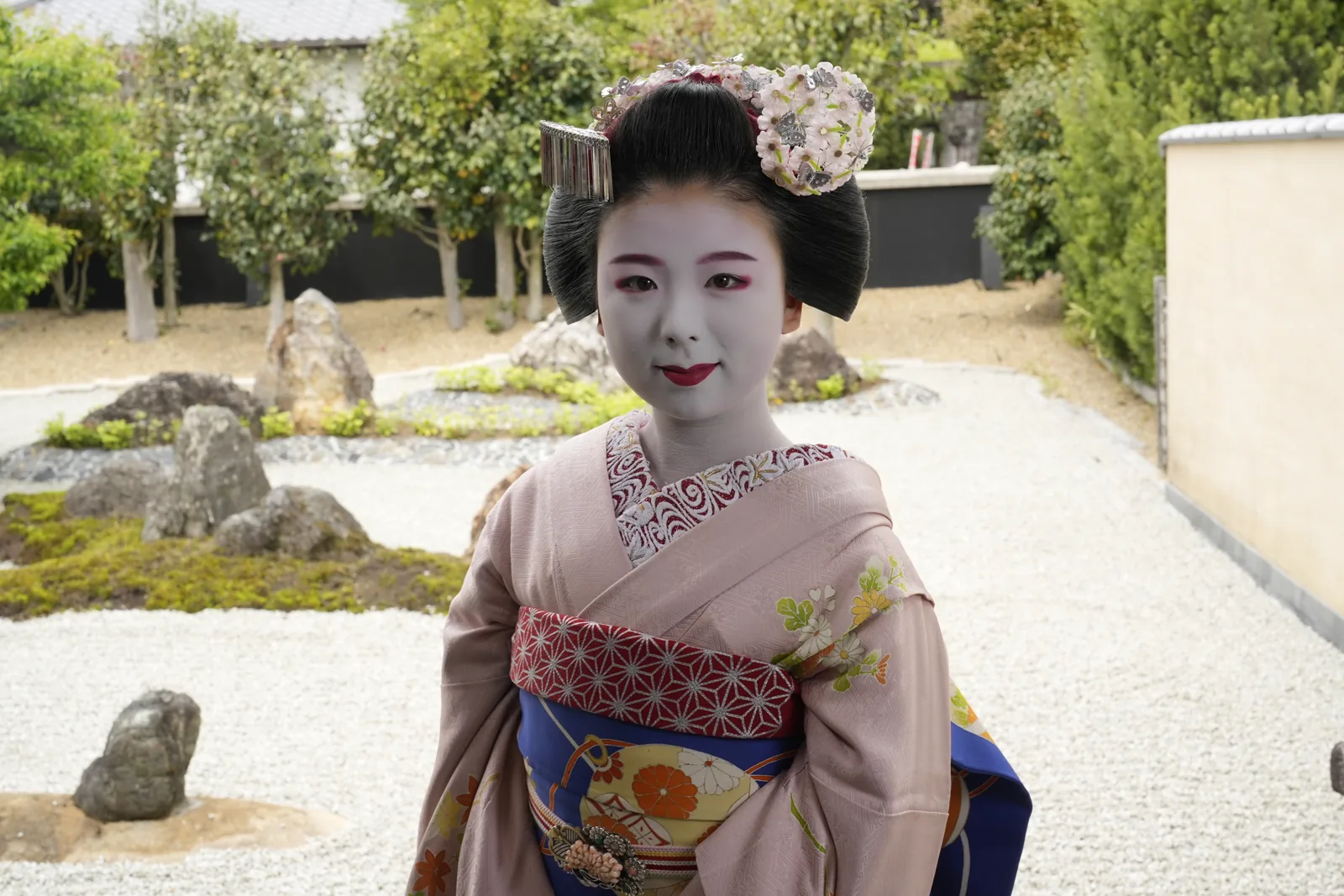
Add a quiet temple stop to your day. We operate Maiko & Zen Kyoto, a 90-minute session at Ikka-in, a sub-temple of Tofuku-ji, where a maiko dances in the same temple hall with no stage between you, then takes time for your questions and photos. See current session times and prices.
Whether you choose a yukata or a kimono, enjoy the details of the cloth and the care in how it is worn. For the latest information, check the official page of the place you plan to visit.
Frequently asked questions
Is a yukata a type of kimono?
Yes. The Japan National Tourism Organization describes the yukata as a type of kimono.
What is the main difference between a yukata and a kimono?
Kimono is a form of traditional formal wear, while yukata is more casual. The cloth differs as well, which changes how each one looks and feels.
What is a yukata made of?
A yukata uses cotton, or a blend of cotton and hemp. Its cloth is lighter than kimono fabric and a little see-through.
Will I find a yukata at a Japanese inn?
Yukata is still the traditional wear typically provided for guests at ryokan. Ask the staff of your inn how and where to wear it.
Which should I choose for a day in Kyoto?
Think about the occasion and how you want to feel. Kimono is a form of traditional formal wear, while yukata is more casual, so match the garment to the mood of your outing.
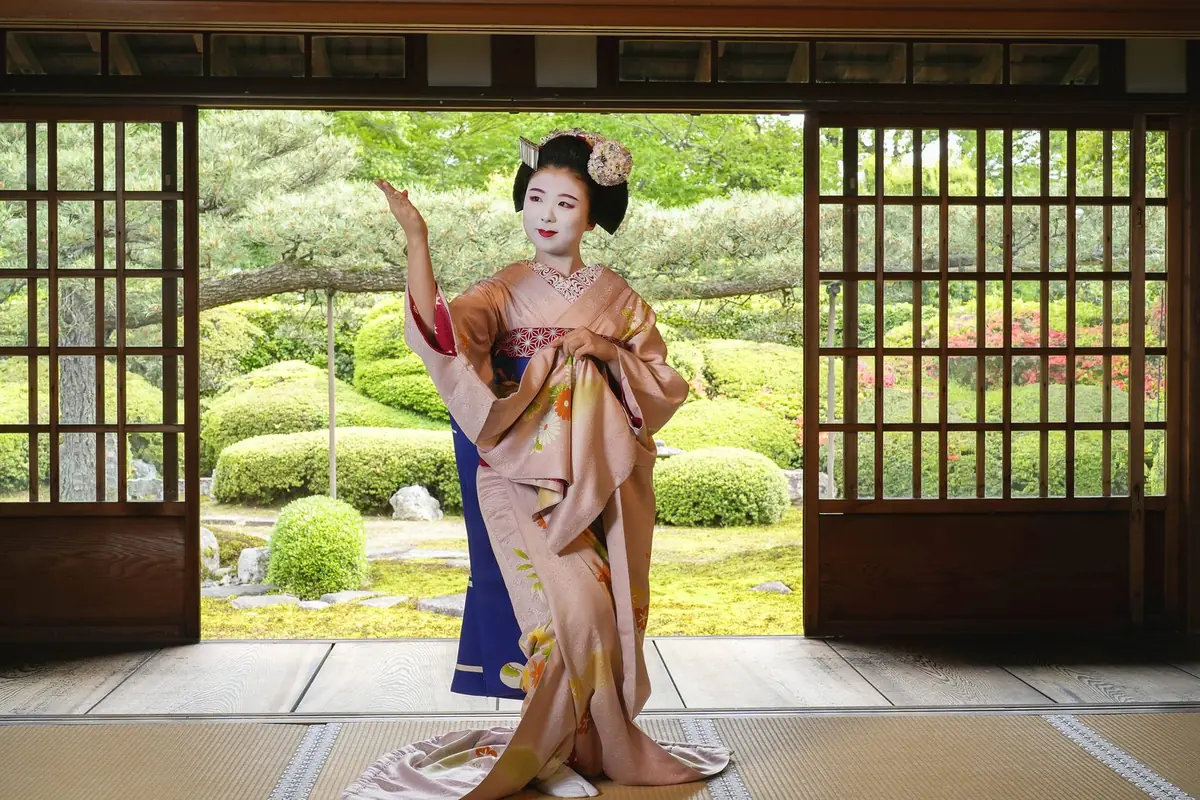
A maiko dance session at a Zen temple near Kyoto Station
Rake a Zen garden, watch two maiko dances and share green tea at Ikka-in, a temple rarely open to the public, one stop from Kyoto Station. Sessions start at 2:00 pm and 3:30 pm.
See the 2:00 pm and 3:30 pm sessions →Sources
- Enjoy a Kimono and Yukata Experience — Japan National Tourism Organization
- Kimono and Yukata Guide — Japan National Tourism Organization (JNTO)