Tea Ceremony Etiquette in Kyoto: How to Be a Relaxed, Considerate Guest
We operate the Maiko & Zen Kyoto experience mentioned in this guide.
A tea gathering is a quiet event, and a few simple habits help you feel at ease from the moment you walk in. This guide explains what a gathering is, how to be a considerate guest, and what changes from one place to the next. Your host knows the room well, so treat these pages as a starting point and follow the host's directions on the day.
What to Know Before You Go
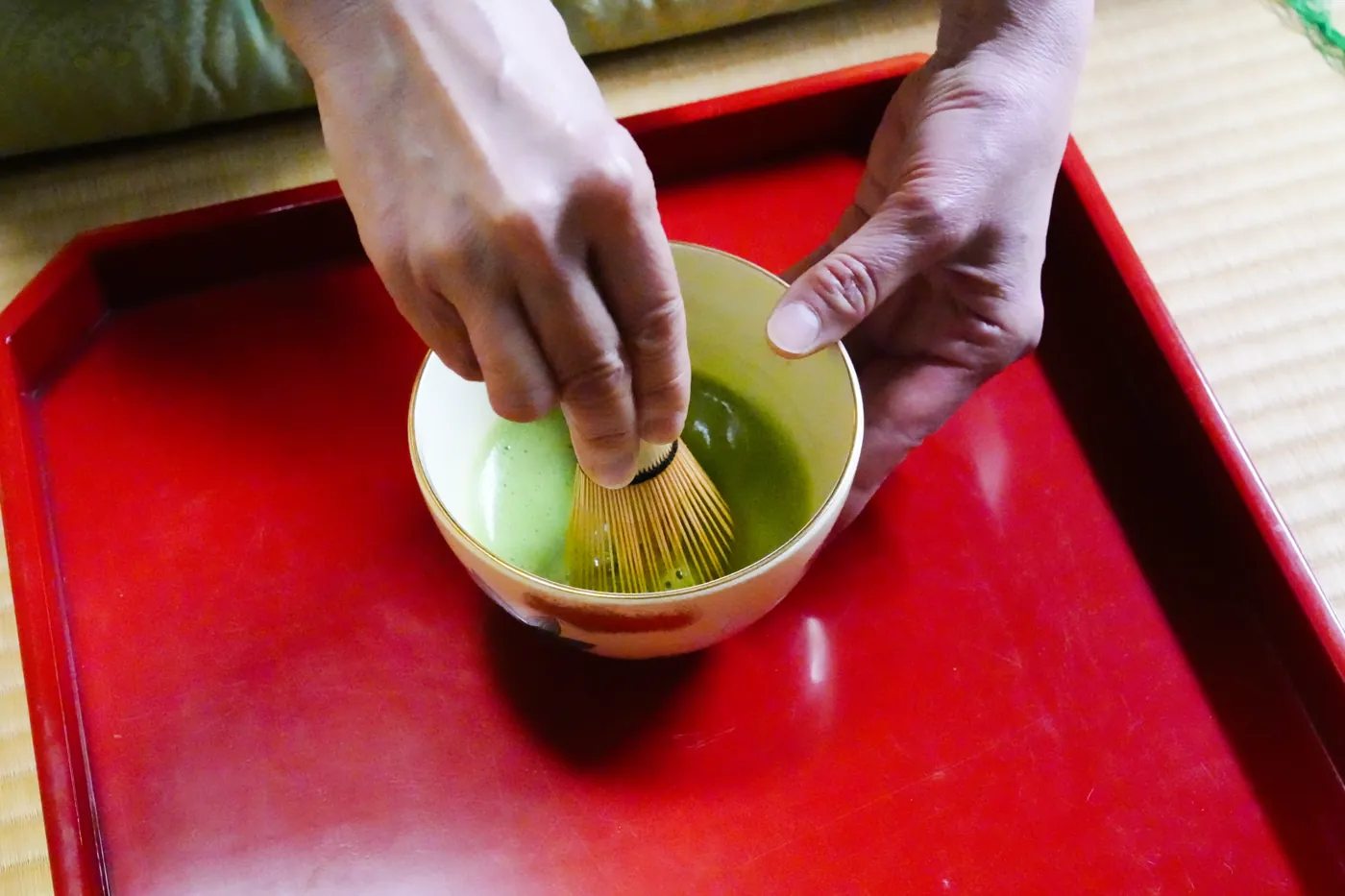
The tea ceremony is called chado or chanoyu, which means "the way of tea." In it, a host prepares matcha for guests, and everyone shares the time together. According to Urasenke, the tea ceremony was perfected by Sen Rikyu (1522–1591), and its spirit is summed up in four principles: harmony, respect, purity, and tranquility.
Those four ideas are a helpful guide to etiquette. Harmony and respect mean that you pay attention to the host and to the other guests. Purity points to the care that goes into the room, the bowls, and the tea. Tranquility is the feeling you can bring with you: a slower pace, a soft voice, and a willingness to simply sit and watch.
Not every gathering is the same. Omotesenke explains that a chaji is a formal gathering for a few guests that includes a kaiseki meal and both thick and thin tea. A chakai, in today's usage, is a gathering with thin tea and sweets. The more formal the gathering, the more the host may guide you through each step, so listen to the opening words.
Etiquette is really a way of showing thanks. The host has prepared the room, the sweet, and the tea for you, and your quiet attention is a gracious way to return the kindness. If you make a small mistake, the host will understand, because everyone is a first-time guest once.
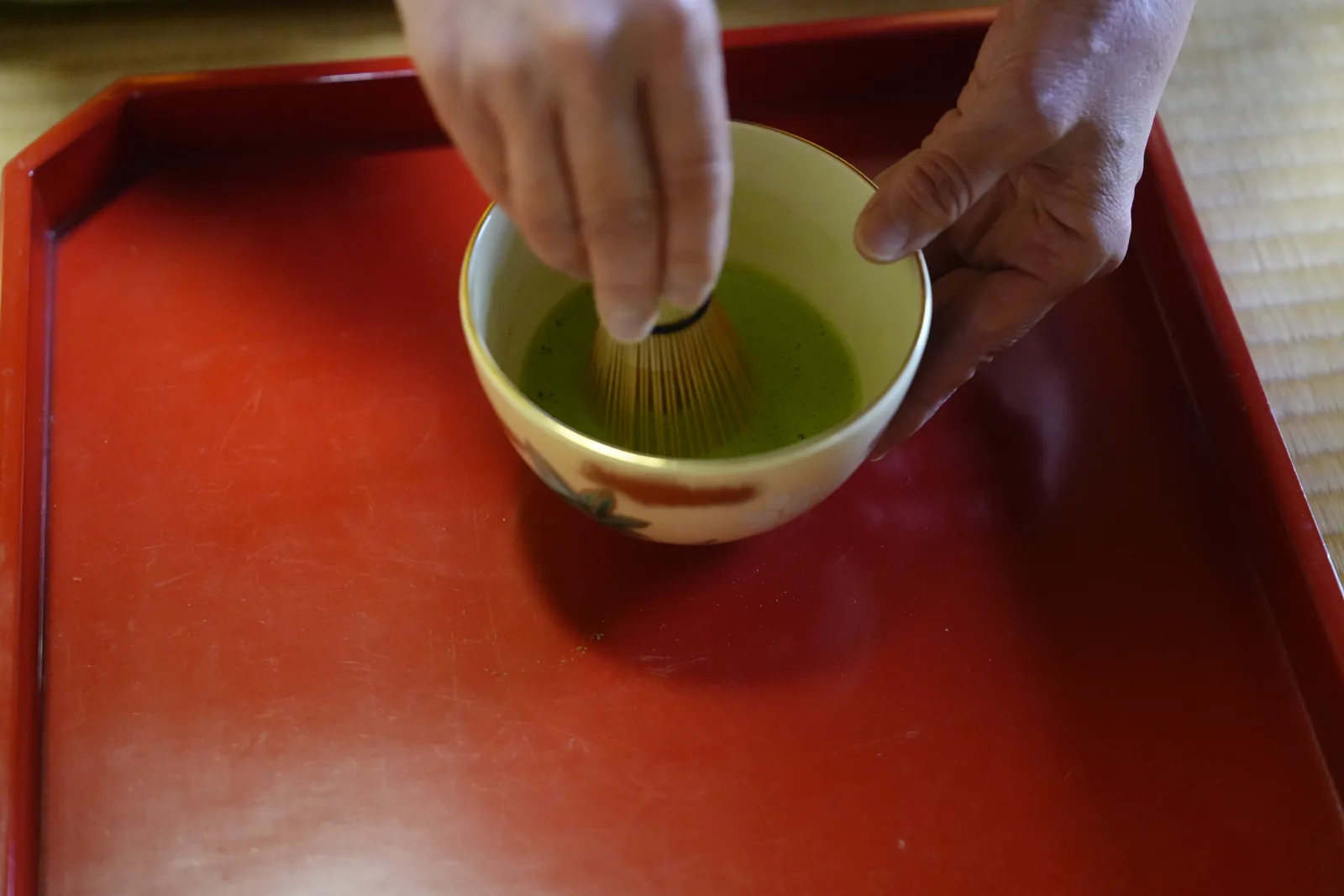
Manners and Dress Basics
Arrive a little ahead of the start so that you can settle in without rushing. Turn your phone to silent and put it away, since the sound of a screen is easy to notice in a quiet room.
Dress with the room in mind. Neat, comfortable clothes are a good choice, because you may sit on the floor for a while. Wear clean socks and shoes that are easy to slip on and off, in case the room has tatami mats. Keep strong perfume and noisy jewelry at home, since the scent of the tea and the sound of the bowls are part of the experience.
Once you are inside, a few gentle habits go a long way:
- Follow the host's lead about where to sit and when to begin.
- Greet the host and the other guests with a small bow or a nod.
- Admire the room, the flowers, and the scroll quietly before the tea is served.
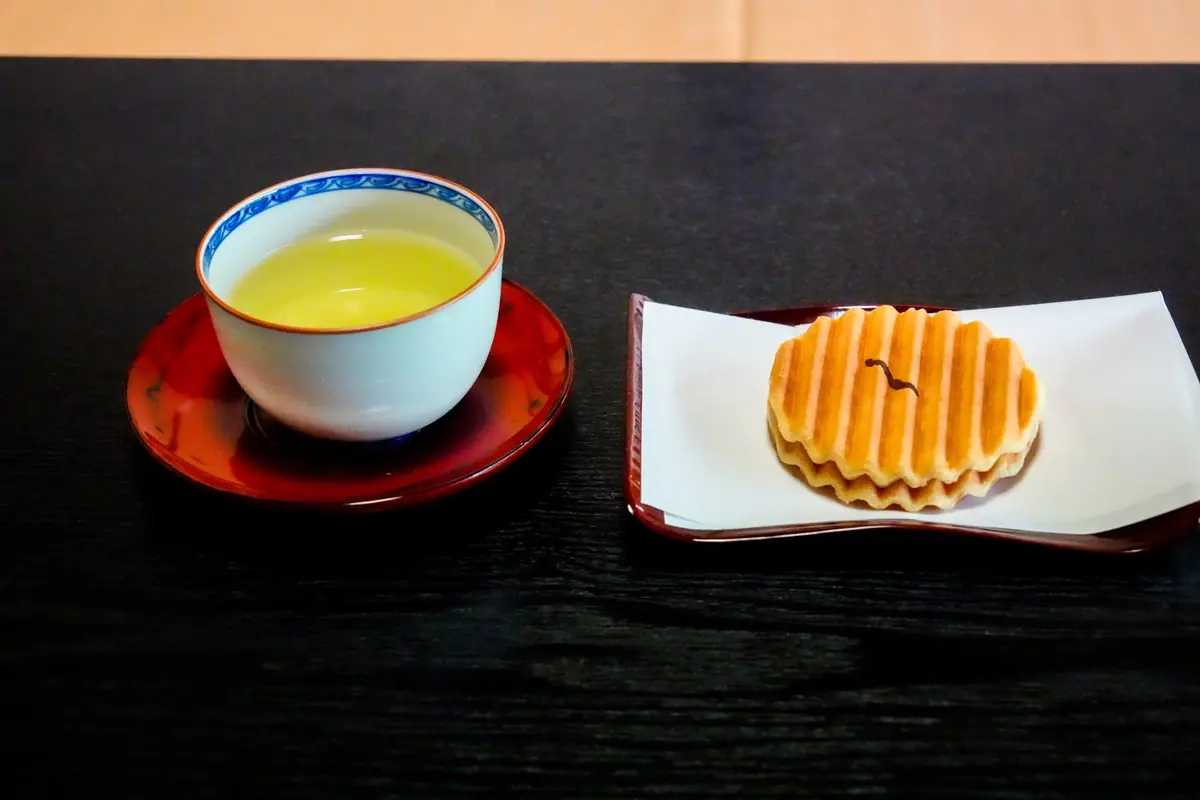
- Receive the tea and the sweet in the way the host shows you, and say thank you.
- Ask questions in a low voice, at a pause between steps.
How you hold the bowl and the order of the sweets differ from school to school, and on the day the host will show you what to do.
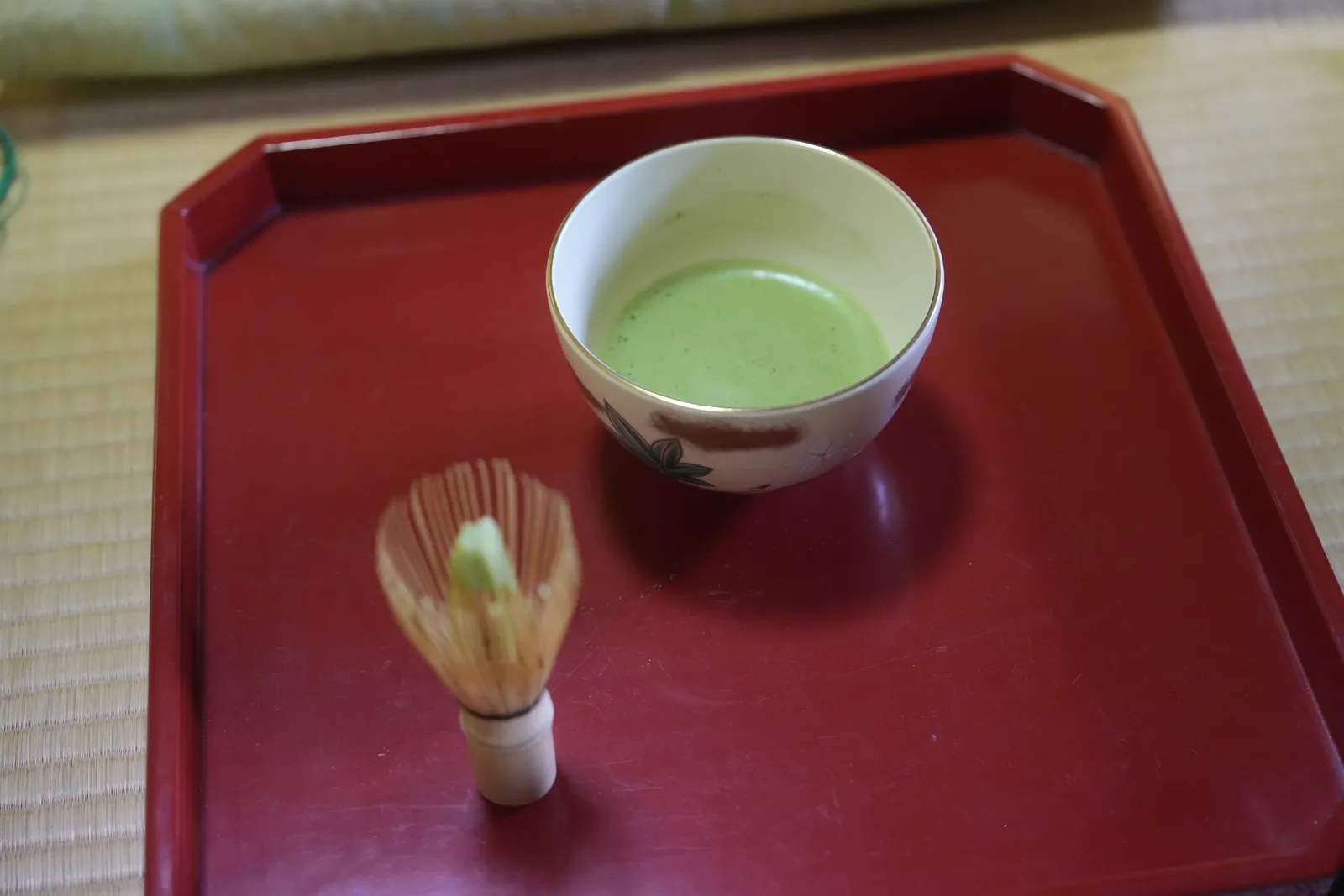
When your bowl arrives, take a moment to look at it. Hosts often choose a bowl with care, and noticing its shape, color, or texture is a kind way to say thanks. After you drink, you can compliment the tea, and a simple "thank you" is always welcome.
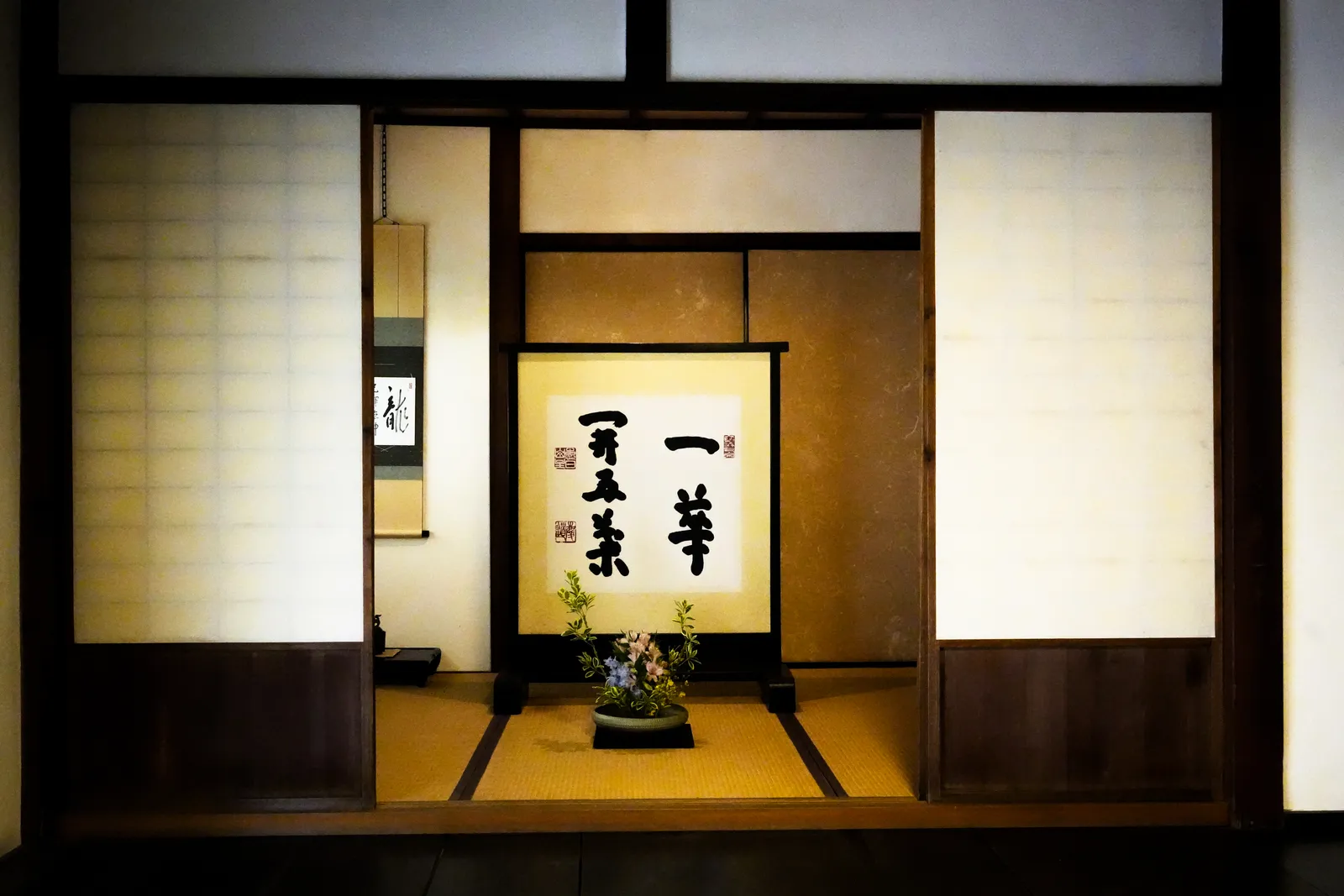
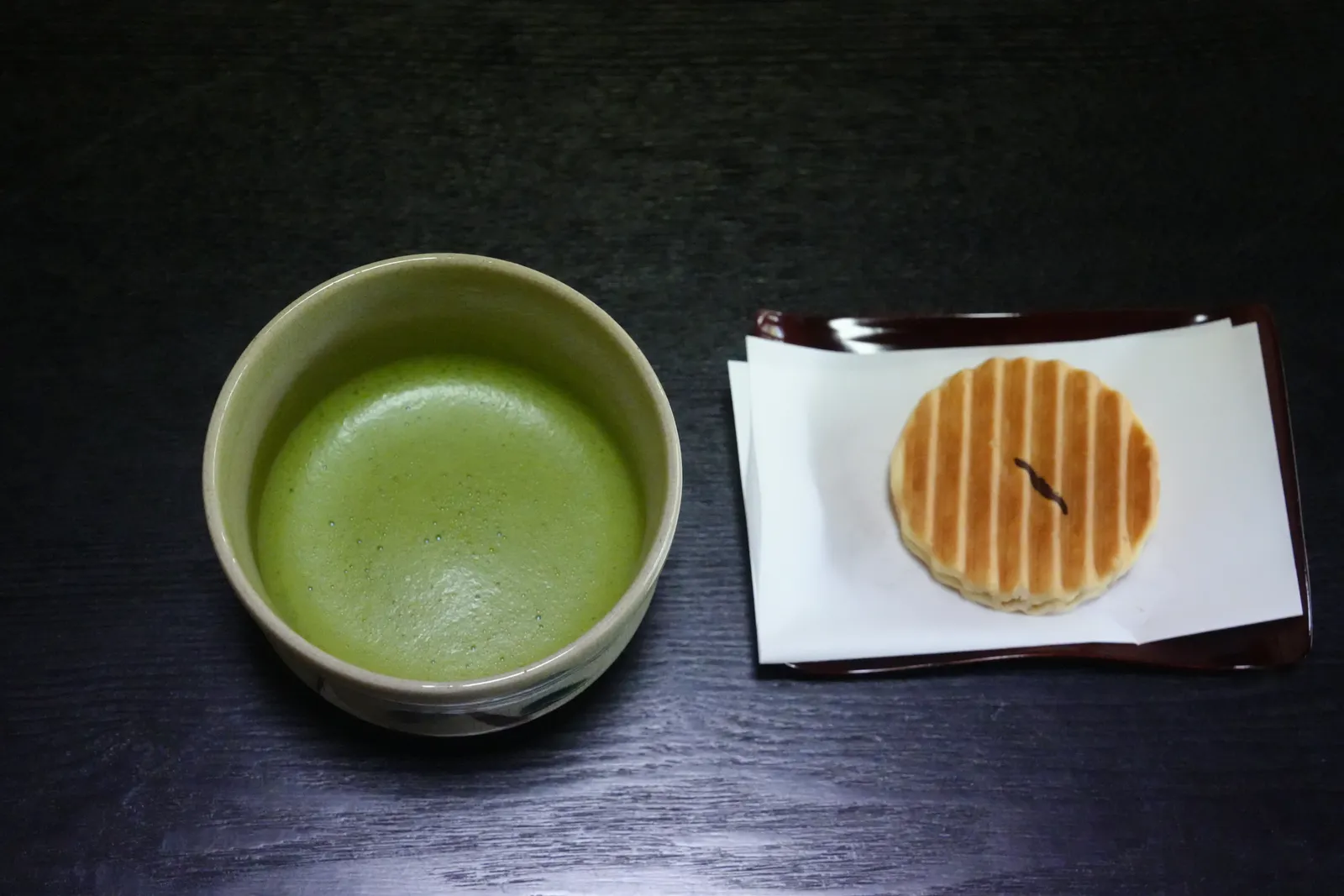
What Changes by Place and Setting
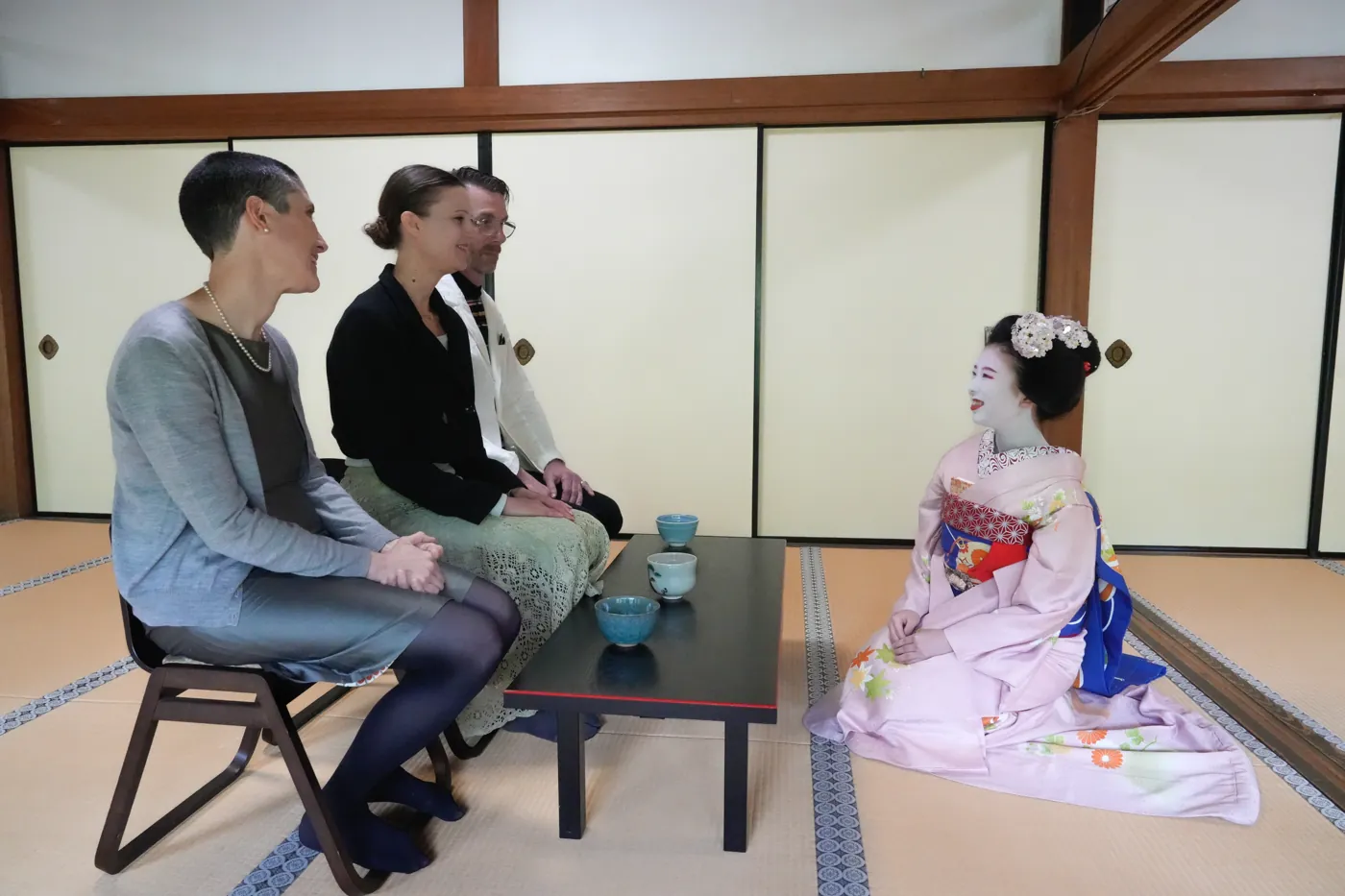
The same ideas apply everywhere, but the details change with the setting. A private tea room, a temple hall, and a table-and-chair room each ask for slightly different habits. In a room with tatami, expect to sit on your knees or in whatever position the host suggests. In a room with chairs, you can sit as you would at any table, and the host will still set the pace.
If sitting on the floor is difficult for you, tell the venue ahead of time. A short message before you go is better than quietly struggling during the gathering, and the venue can tell you what is possible.
Temples add their own courtesy. Walk gently, speak softly, and follow any signs or staff directions about where to stand, sit, or take photos. If you want to take pictures of the tea room or the host, ask first, and put your camera away if the answer is no.
If you are traveling with children, check with the venue about whether they can join and how to prepare them. A short explanation beforehand, such as "we will sit quietly and watch," makes the visit easier for everyone.
What Changes With the Weather and the Day
The room, the flowers, and the sweet may change with the weather and the time of year, and your host may mention these touches as they serve you. Treat them as little gifts: listen, look, and enjoy them. On a rainy day, allow extra time to arrive so that you can dry off and settle down before the start.
Details differ from venue to venue and change from year to year, so check each venue's own page shortly before you go.
Add a Quiet Temple Stop to Your Day
Add a quiet temple stop to your day. We operate Maiko & Zen Kyoto, a 90-minute session at Ikka-in, a sub-temple of Tofuku-ji, where a maiko dances in the same temple hall with no stage between you, then takes time for your questions and photos. See current session times and prices.
To compare formats, read our guide to choosing a tea ceremony in Kyoto, or see how tea fits into maiko experiences and our overview of maiko experiences in Kyoto.
Frequently asked questions
What if sitting on the floor is difficult for me?
Tell the venue before you go. The venue can tell you what is possible, and a short message ahead of time lets you relax on the day.
Do I need to learn the steps before I go?
You do not need to memorize anything. Hosts are glad to guide first-time guests, so ask quietly if you are unsure what comes next.
What should I wear to a tea gathering?
Choose comfortable, neat clothes and clean socks. If you are unsure what the room is like, ask the venue before you go.
Is it polite to ask the host questions?
Yes. Questions about the sweet, the bowl, or the scroll show your interest. Wait for a pause between steps, and keep your voice low.
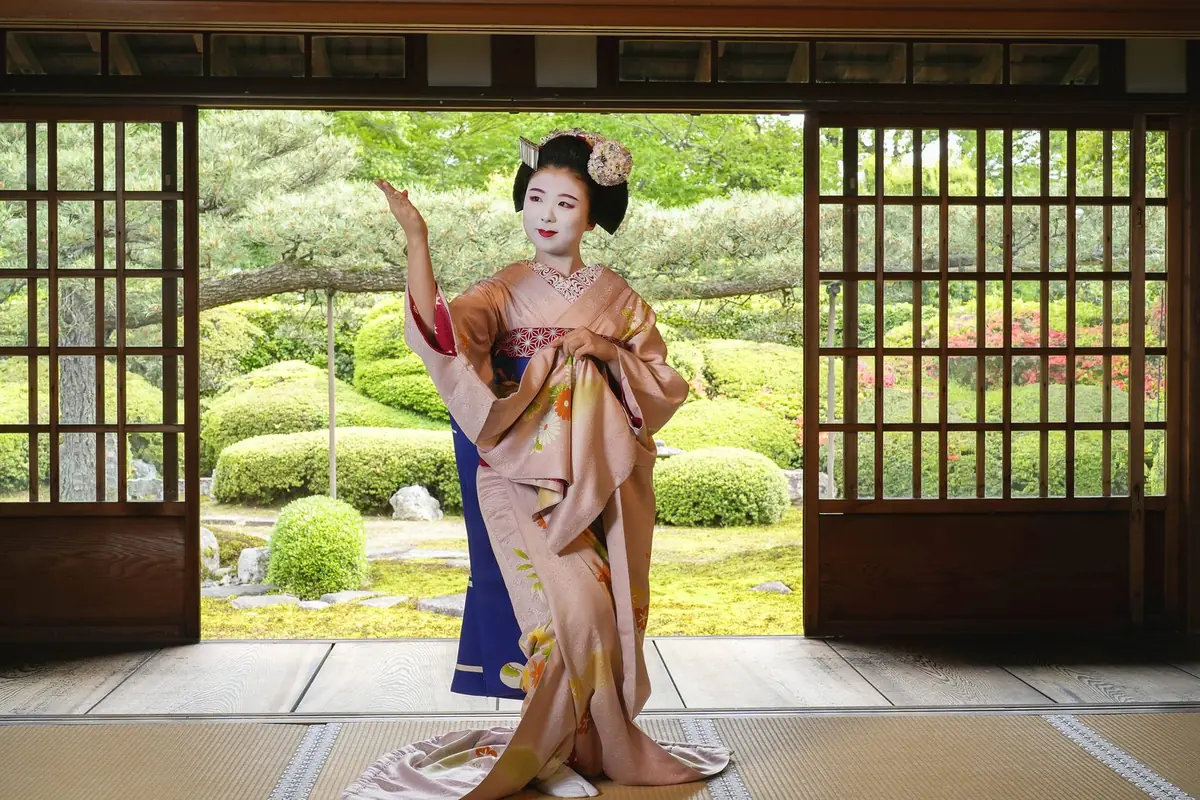
A maiko dance session at a Zen temple near Kyoto Station
Rake a Zen garden, watch two maiko dances and share green tea at Ikka-in, a temple rarely open to the public, one stop from Kyoto Station. Sessions start at 2:00 pm and 3:30 pm.
See the 2:00 pm and 3:30 pm sessions →Sources
- An Introduction to Chado — Urasenke
- About tea gatherings — Omotesenke Fushin'an