Types of Kimono: A Simple Guide to Formality, Fabric, and Weather
We operate the Maiko & Zen Kyoto experience mentioned in this guide.
Kimono is one word for many garments, and the differences between them are easier to see once you know a few simple ideas. This guide explains how formality, fabric, and weather shape what people wear, so that you can follow the names you hear in Kyoto and ask better questions. It sticks to the basics, and the details of any particular outfit are worth confirming with the people who help you dress.
Formal Wear and Casual Wear: How Kimono Differ
The first difference to understand is formality. JNTO describes kimono as a form of traditional formal wear, while yukata is more casual.
That does not make a yukata a separate thing from a kimono. JNTO also notes that the yukata is a type of kimono.
So think of kimono as a family of garments arranged along a scale of formality. Some are meant for formal occasions, and others are meant for relaxed outings. In between are many styles, and the names for them can be confusing at first. When someone mentions a kind of kimono, a helpful question is simply how formal it is and where it is meant to be worn.
Rather than memorizing a long list of names, learn to read three clues: how formal the occasion is, what the cloth is made of, and what the weather asks for. The rest of this guide takes those clues one at a time.
Silk, Cotton, and Hemp: What Kimono Are Made Of
Fabric is the next clue. JNTO says that kimono is usually made of silk, cotton and wool.
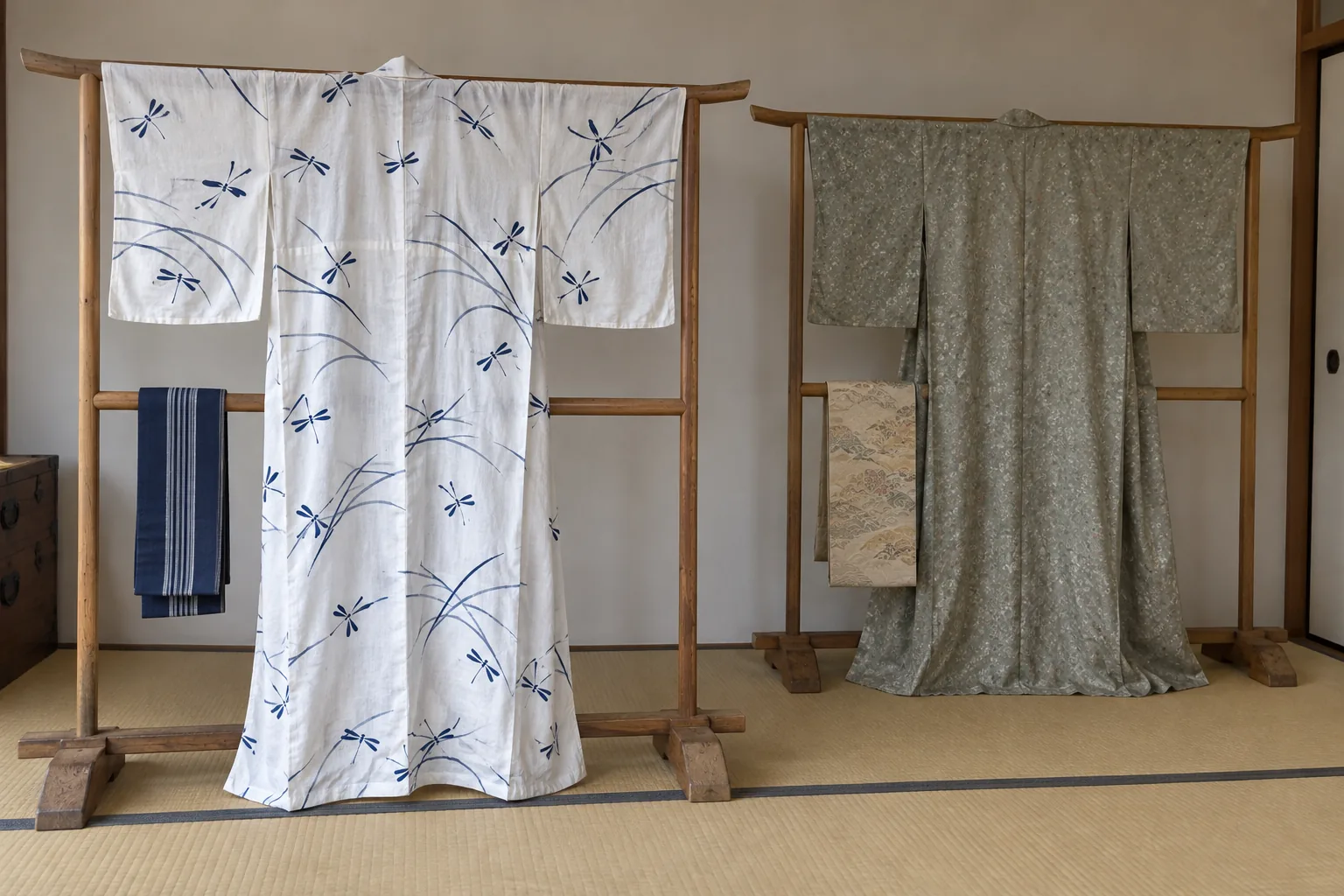
Yukata follow a different pattern. JNTO explains that yukata, on the other hand, is made of cotton or cotton mixed with hemp.
Fabric affects how a garment looks, drapes, and feels on the body. Smooth cloth gives a polished look, and plain cotton gives a relaxed one. If you plan to wear a kimono during a visit, ask what the cloth is and how it should be handled, since some fabrics need more care than others.
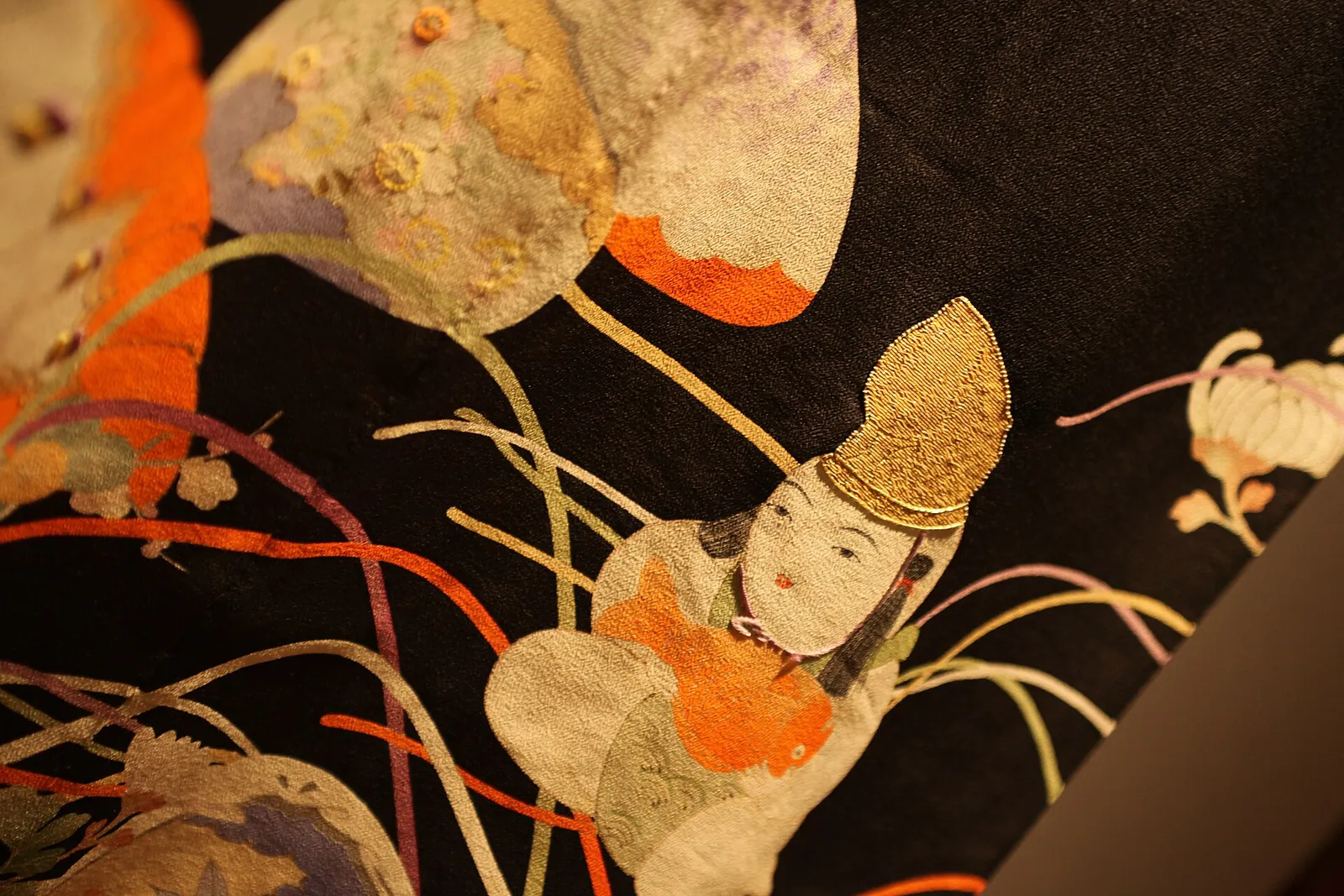
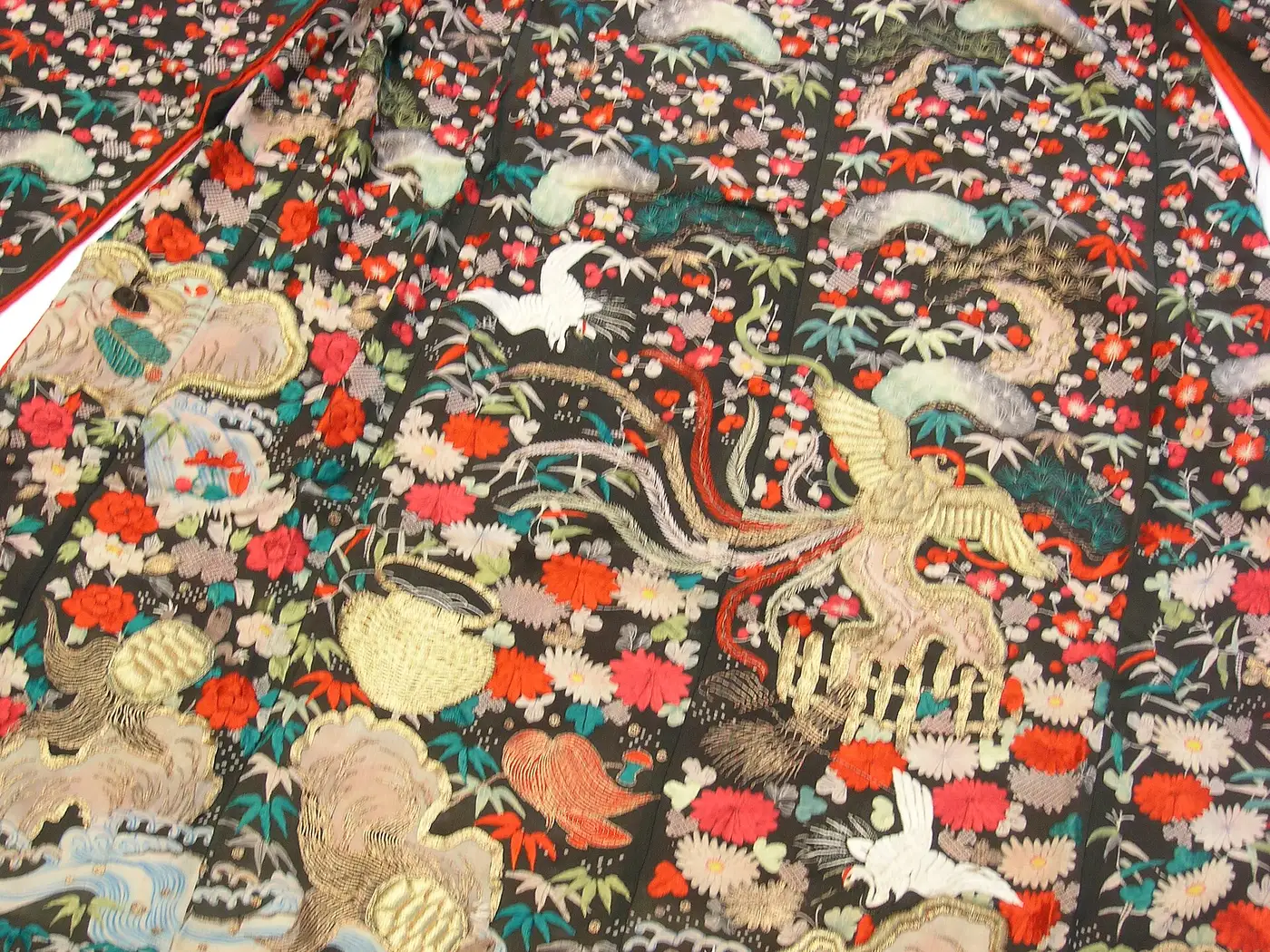
Look closely at the cloth itself and you will see how much it can differ. Some kimono are covered in embroidered designs, and the picture below shows one with cranes, flowers, and pines worked across dark cloth.
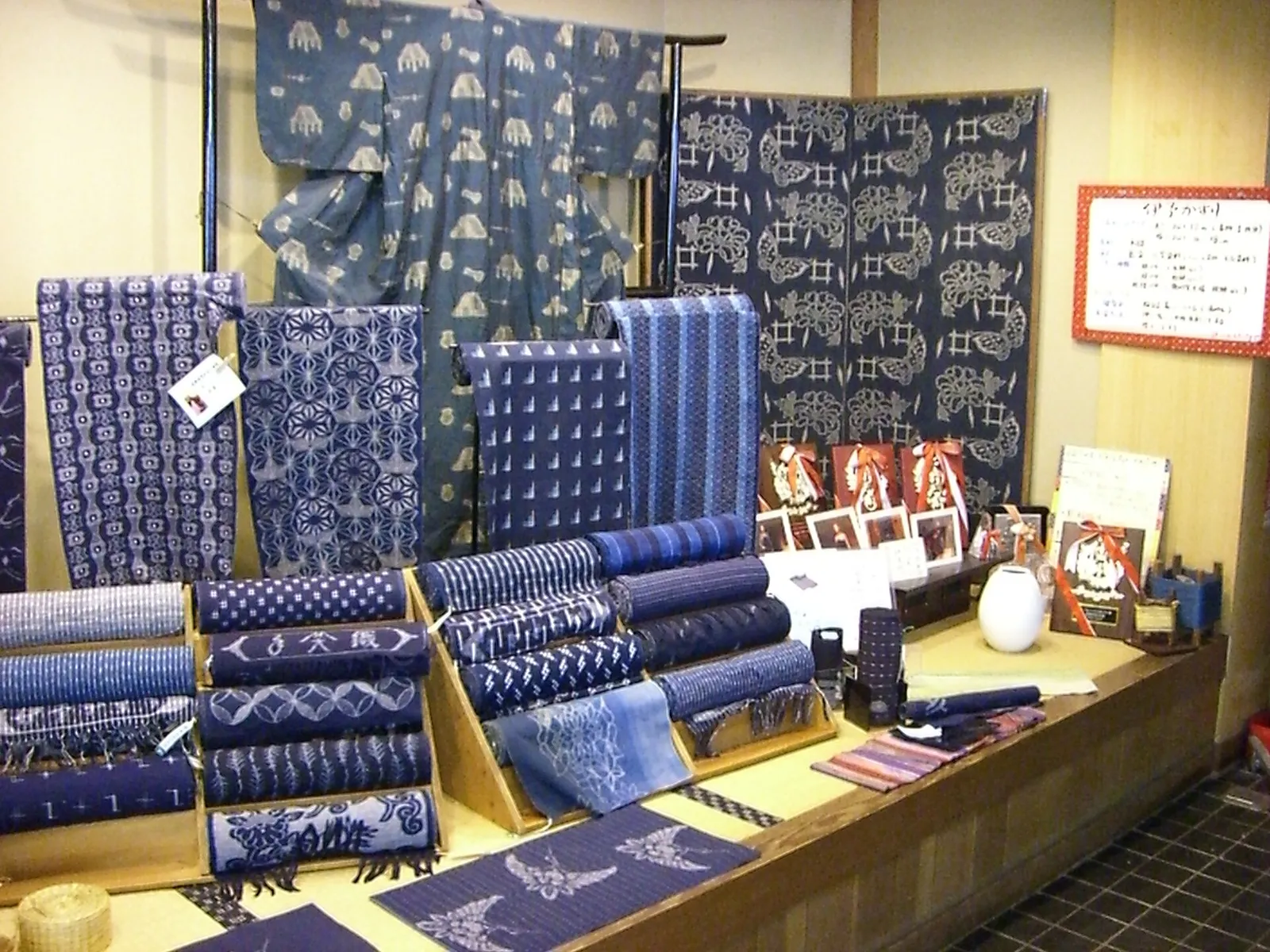
Plain surfaces and patterned ones are both part of the picture. Kasuri cloth, shown below, is one example of a patterned cloth that you may come across when you look at kimono and the fabrics shops show.
Keep the two clues together: fabric tells you what the garment is made of, and formality tells you where it fits. A visitor who knows both can follow most of what a shop or a guide explains.
When a name is unfamiliar, you do not have to guess. Point to the garment, ask the person to write the name down, and note the fabric and the occasion beside it. A few notes like these turn a confusing list of words into something you can compare later, and they make it easier to remember what you liked.
Dressing a Kimono for Kyoto Weather
Kyoto weather changes how a kimono feels on the body, and the clothing you choose should follow it. JNTO says that yukata is a form of summer wear, so it is designed for comfort and breathability.
Heat calls for lighter layers. Kyoto's tourism site says that when you wear a kimono in summer, it is most comfortable to wear one with a transparent top layer made from gauze.
Footwear is part of the plan as well. Kyoto's tourism site notes that kimono are worn with tabi socks, so think about your socks and shoes before the day begins.
Cooler days need extra layers. Kyoto's tourism site adds that many kimono shops also offer warm accessories like shawls and fur stoles, or special kimono overcoats for rent. If you are borrowing a kimono for a day out, ask which warm items are available before you set off.
Questions to Ask Before You Wear a Kimono
A few short questions make the day smoother, and they work in any shop or venue:
- How formal is this garment, and where is it meant to be worn?
- What is it made of, and how should I handle it?
- What should I wear underneath, and what goes on my feet?
- Is there a lighter or warmer layer for today's weather?
- Where can I sit, walk, and take pictures comfortably in it?
Asking is a polite way to show interest. The answers will teach you more than any list of names, and the person helping you dress will be glad to explain.
It also helps to think about your own plans for the day. If you will be walking a lot, say so, and ask how the outfit moves when you climb steps or step into a room. If you will sit on the floor at a meal or a gathering, ask how to sit comfortably so that the garment stays neat. Small details like these make a kimono day feel relaxed instead of rushed.
Seeing Kimono Around Kyoto
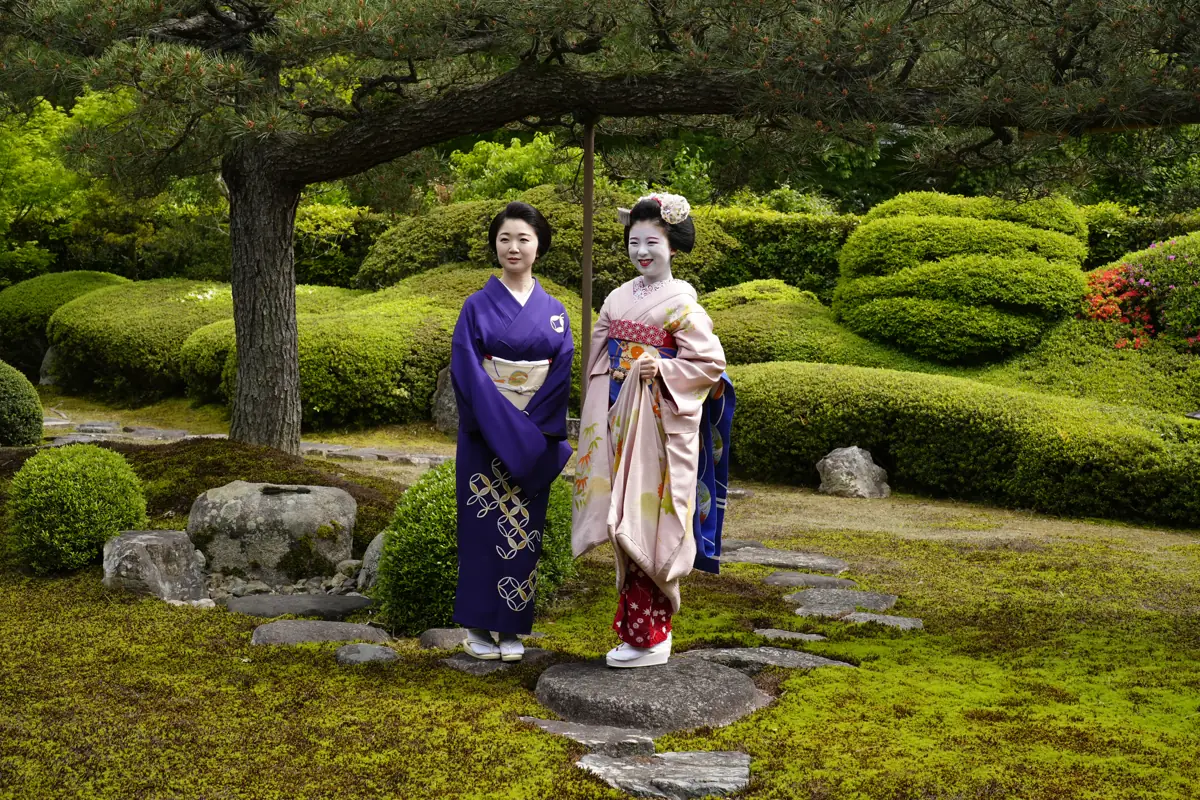
You will see kimono in many places in Kyoto, from shops to temple grounds. The three clues still help: look at how formal the outfit seems, how the cloth hangs, and how the wearer is dressed for the day.
Treat people in kimono as you would anyone else. Give them room to walk, and ask before you take a picture of a person. Many visitors enjoy dressing up themselves, and that is a pleasant way to feel part of the city.
Temples and traditional rooms invite a calm pace. Long sleeves and narrow steps call for slower movements, so leave a little extra time between stops and watch where you place your feet on stairs and thresholds.
Add a Quiet Temple Stop to Your Day
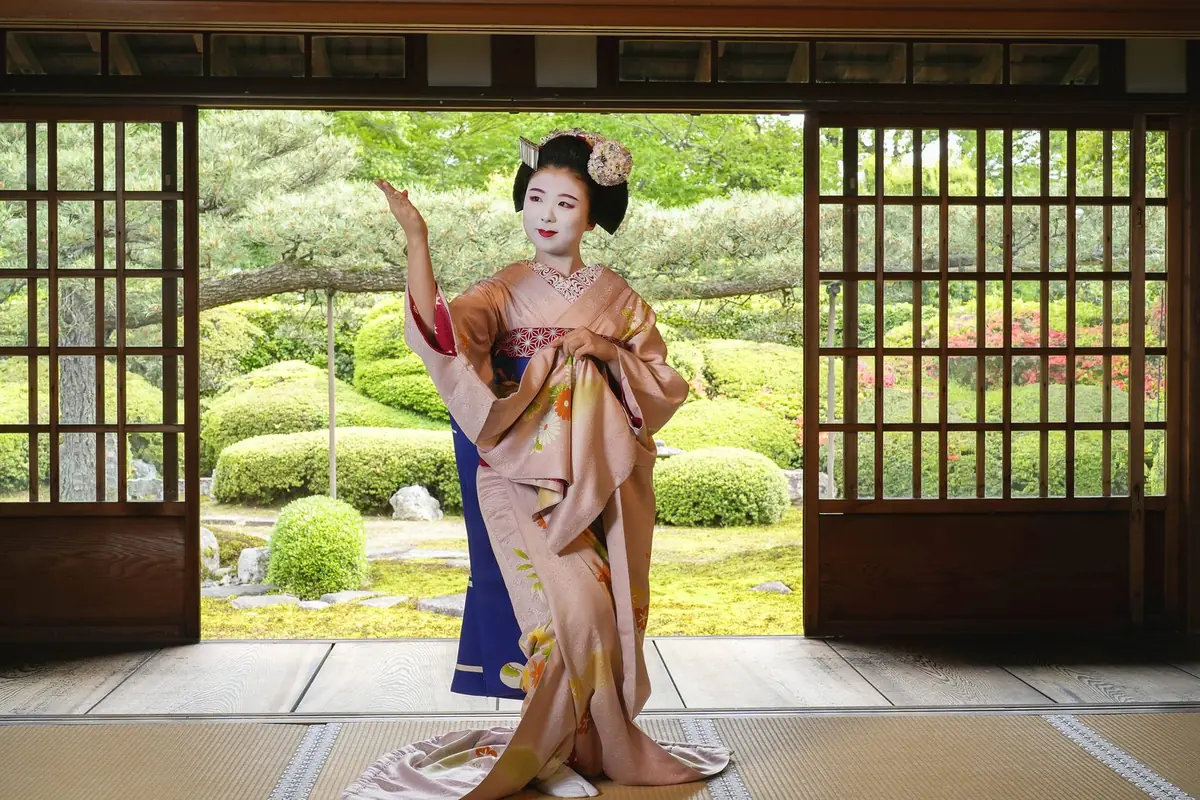
Add a quiet temple stop to your day. We operate Maiko & Zen Kyoto, a 90-minute session at Ikka-in, a sub-temple of Tofuku-ji, where a maiko dances in the same temple hall with no stage between you, then takes time for your questions and photos. See current session times and prices.
If kimono have caught your interest, read how a maiko's look comes together in our guide to maiko hairstyles and kimono, explore kimono photo spots around Kyoto, or learn how a maiko differs from a geiko.
Frequently asked questions
Is a yukata a kimono?
Yes. The yukata is a type of kimono, and it is the more casual one.
What are kimono and yukata made of?
Kimono is usually made of silk, cotton and wool, while yukata is made of cotton or cotton mixed with hemp.
Do I need to know the names of kimono styles before I go?
No. Formality and fabric are the two clues that help most, and the person who helps you dress can explain the rest.
What should I ask when I try a kimono on?
Ask how formal the garment is, what it is made of, and what to wear with it. You can also ask about lighter or warmer layers for the day.
A maiko dance session at a Zen temple near Kyoto Station
Rake a Zen garden, watch two maiko dances and share green tea at Ikka-in, a temple rarely open to the public, one stop from Kyoto Station. Sessions start at 2:00 pm and 3:30 pm.
See the 2:00 pm and 3:30 pm sessions →Sources
- Enjoy a Kimono and Yukata Experience — Japan National Tourism Organization
- Weather & Clothing — Kyoto City Tourism Association