Noh Theater in Kyoto: A First-Timer's Guide to Watching Noh
We operate the Maiko & Zen Kyoto experience mentioned in this guide.
A noh performance can feel like stepping into another pace of life. Actors move slowly across a bare wooden stage, a chorus chants in low voices, flutes and drums cut through the quiet, and a single carved mask seems to change its expression as the actor tilts it. If you are curious about noh theater in Kyoto but are not sure what you would be looking at, this guide walks you through the basics so that your first performance feels calm and rewarding rather than puzzling.
What Noh Is
Noh is one of Japan's classical stage arts. It brings together dance, chanted text, instrumental music, masks, and layered silk costumes. Many plays retell old stories in which a traveler meets a spirit, a warrior recalls a battle, or a woman returns to the place she once loved. The story is often told through memory, so the drama is less about surprise and more about feeling.
What surprises many first-time viewers is how little happens on the surface. A turn of the head, a step forward, or a fan lifted toward the sky can carry the weight of a whole scene. Instead of trying to follow every word, let the rhythm of movement and sound carry you. The calm attention that noh asks for is much like the way of looking that our guide to the basics of Zen Buddhism describes for temple visits.
Noh and Kyogen: Two Sides of One Program
Noh is often shown together with kyogen, a comic form that grew up beside it. Where noh is poetic and serious, kyogen uses lively speech, clear gestures, and everyday situations such as a servant trying to outwit a master. The two together are known as nohgaku.
Kyoto's official tourism site notes that kyogen plays involve two or three characters. That small cast keeps a kyogen piece easy to follow, even for a newcomer, and the laughter in the hall gives you a natural pause between the more intense noh pieces.
If a program includes both, you do not need to prepare differently. Simply expect a change in mood: from stillness and chant to quick dialogue and smiles, and back again.
How to Read a Noh Stage
A noh stage looks simple, but every part has a role. Knowing three of them will help you understand where to look.
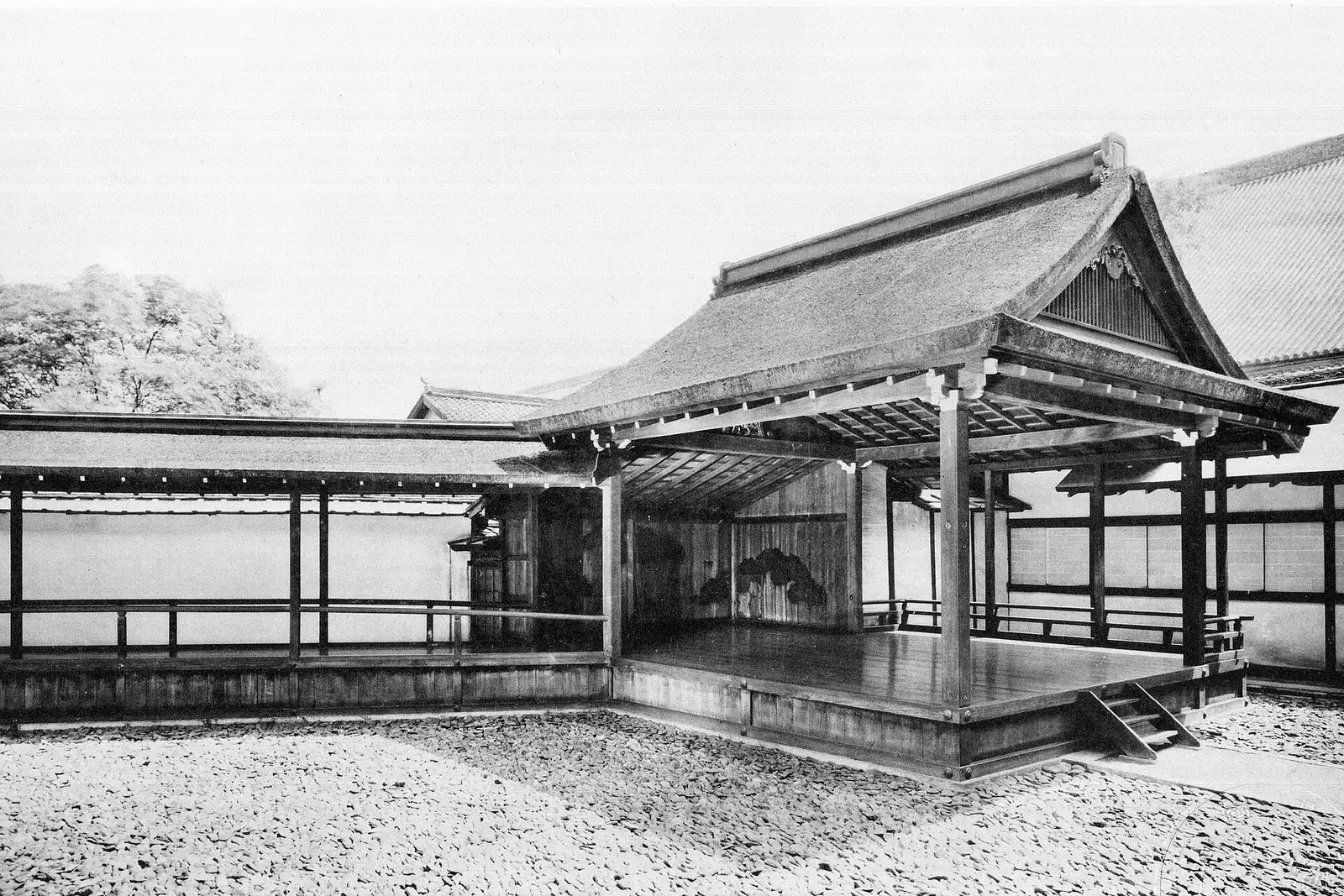
- The main stage: a square wooden floor under its own roof. Much of the dancing and acting happens here, and the pillars at the corners help masked actors keep their bearings.
- The bridgeway: a long railed passage that joins the stage from one side. Actors enter and leave along it, and a slow entrance along the bridgeway is often part of the drama itself.
- The painted pine: a large pine tree painted on the back wall of the stage. It stays the same in every play, so the setting is created by the words and movement rather than by changing scenery.
Musicians sit at the back of the stage, and the chorus sits along one side. Watch how the actors use the empty space between them. A few steps can mean a long journey, and turning to face the pine can mark a change of place.
Masks and Costumes
Masks are the heart of noh for many visitors. A mask is carved from wood and painted to show a type of character, such as a young woman, an old man, a demon, or a god. The face is made with a calm, neutral expression, and the actor brings it to life by changing the angle. Tilting the mask slightly upward can make it look bright, while tilting it down can make it look sad.
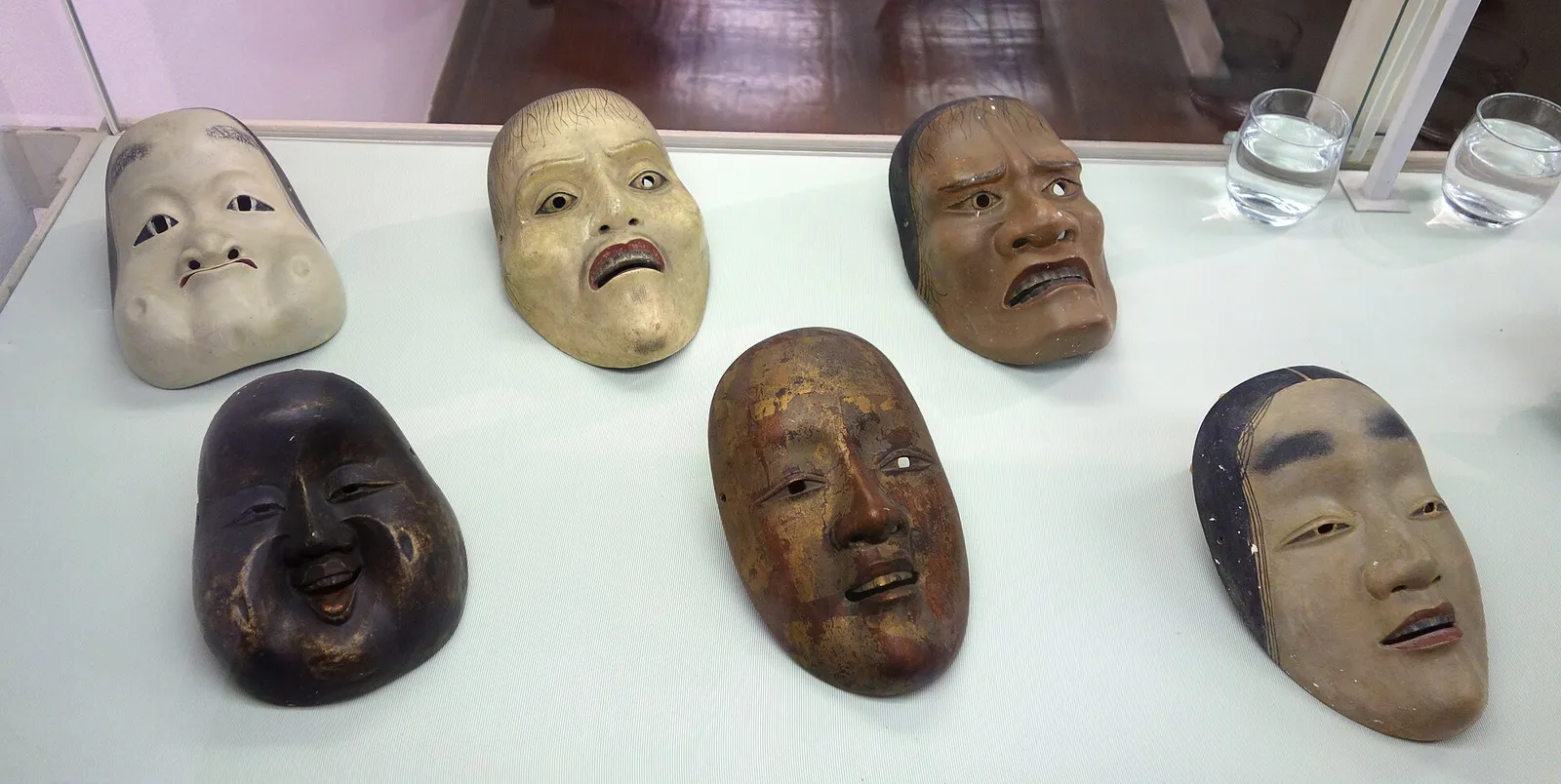
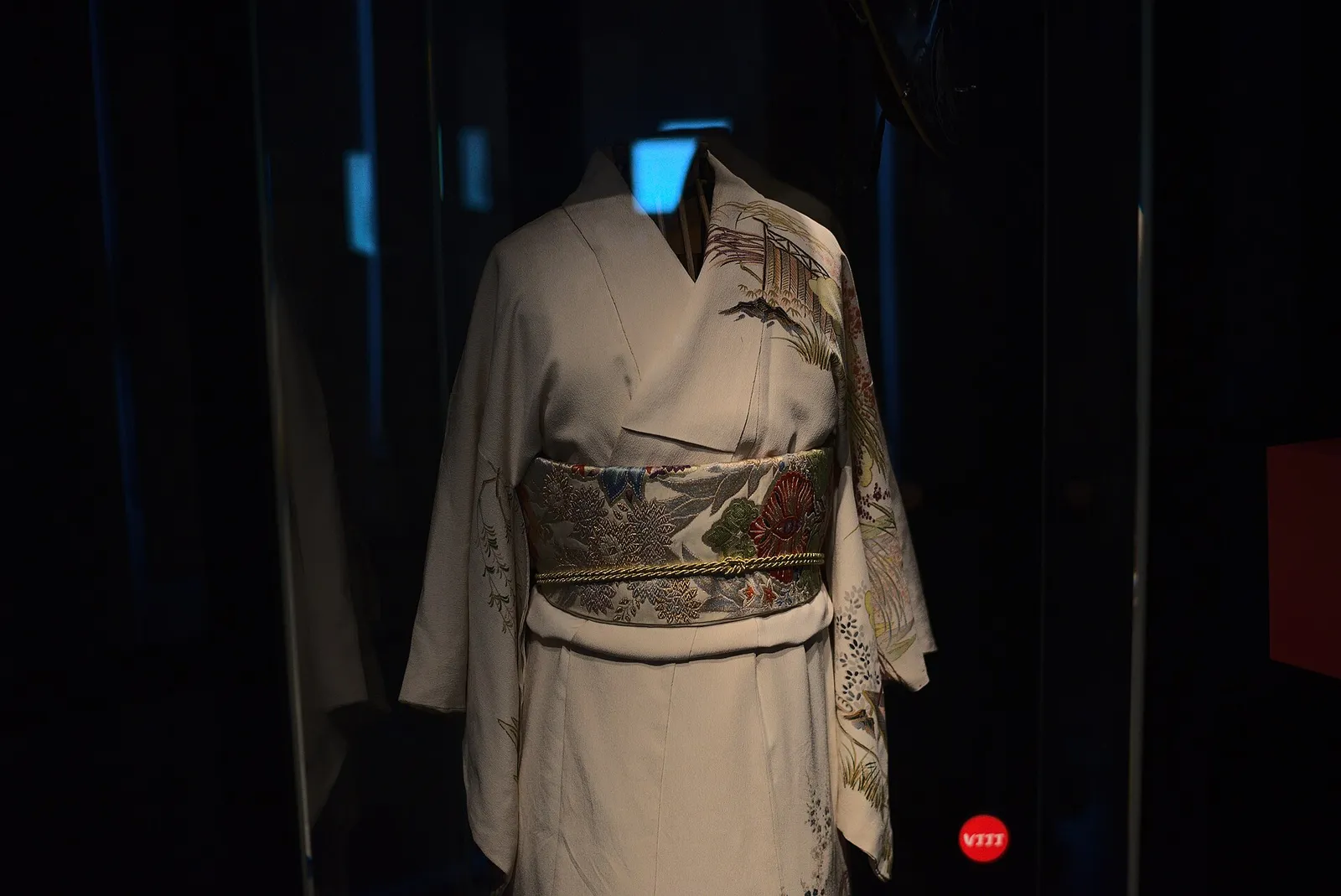
Costumes are just as carefully chosen. Heavy silk robes with woven patterns tell you about the character's rank, age, and mood before a word is spoken. If you see masks or robes on display in a museum, look closely at the small details: the shape of the eyes, the color of the lips, and the way a pattern is repeated across a sleeve. The same slow, careful looking that rewards a mended bowl in our guide to what kintsugi means works well here too.
Watching Noh in Kyoto
Kyoto has dedicated noh theaters, and some programs are designed for visitors who are new to the art. For example, Kyoto's official tourism site listed a noh program at Kyoto Kanze Kaikan Noh Theater on October 14 (Wed), 22 (Thu), 28 (Wed), and November 5 (Thu), 2026. For that program, the performance started at 5:30 pm, and the event ended at 7:00 pm.
Programs, dates, and language support change from one year to the next, so look for current listings on the official pages of the theater or the city's tourism site when you plan your trip.
A few simple habits will help you enjoy your seat:
- Read a short summary of the play beforehand, so you know who the characters are and what they want.
- Silence your phone and keep conversation for the intermission.
- Follow the photo rules of each venue and program.
- Let yourself relax. Many people find their attention drifting and returning, and that is part of the experience.
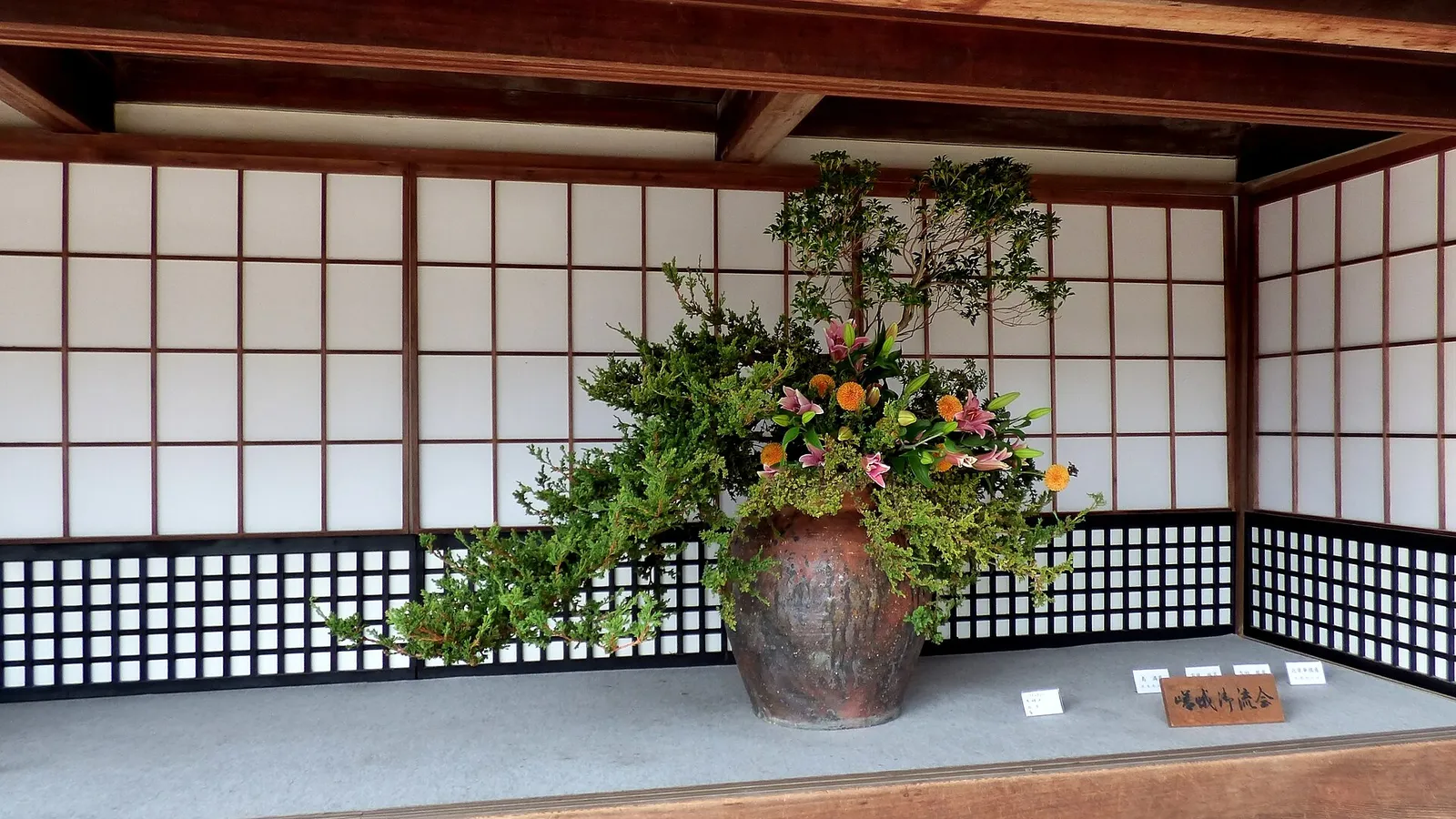
If you enjoy noh, you may also like other quiet arts of Kyoto that reward careful looking, such as the flower arrangements described in our guide to ikebana in Kyoto.
Indoor Stages and Outdoor Noh
Many noh performances take place on a stage built inside a theater building, with the stage keeping its own roof indoors. This keeps the classic shape of the stage while giving the audience comfortable seats and good sound.
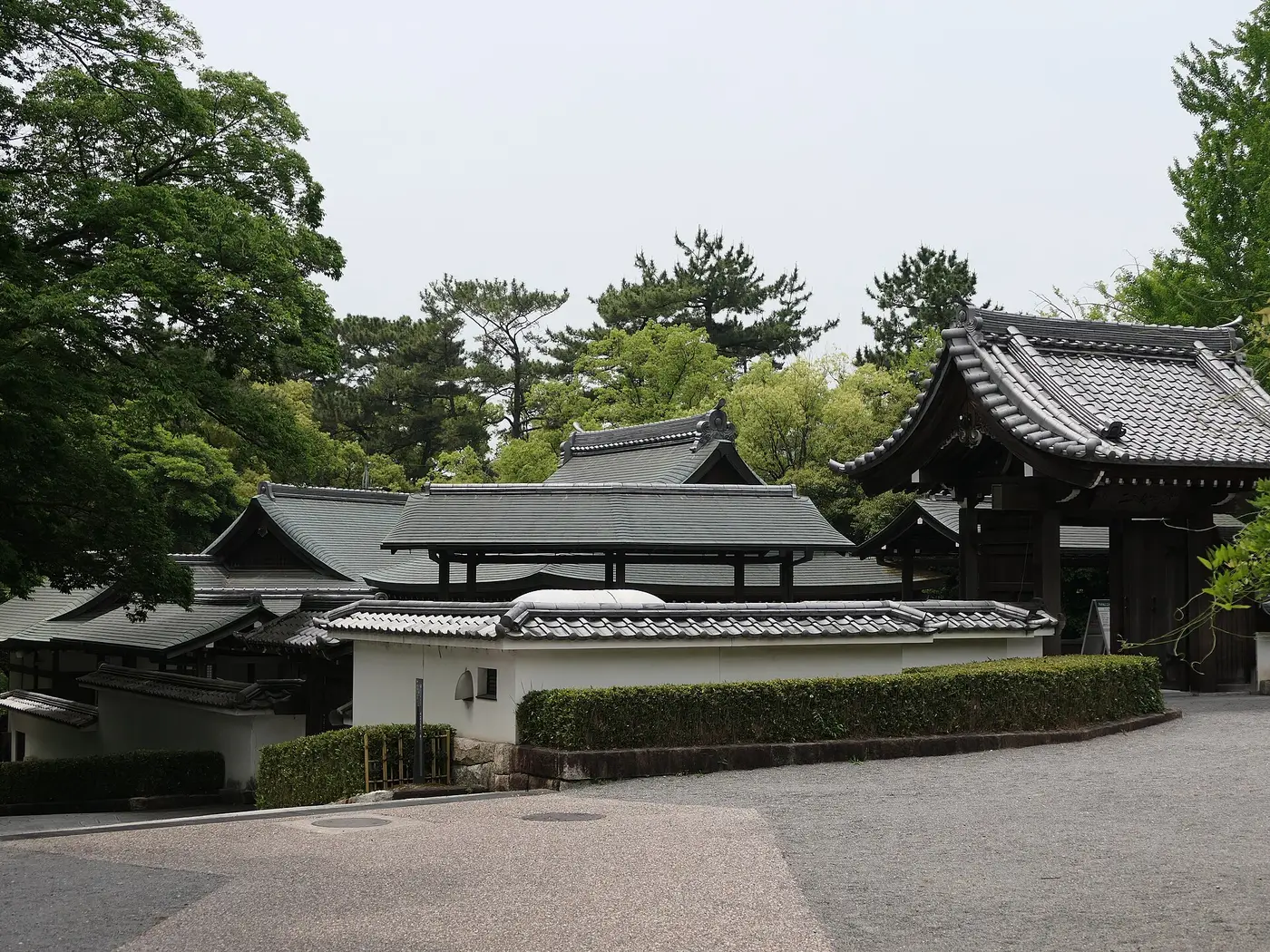
Some shrines and temples also have outdoor noh stages, and special outdoor programs lit by torches are held at certain places. The plays follow the same forms, but the setting feels very different: the sound of wind in the trees, the glow of flames on the wooden floor, and the wider space around the stage. Details for these programs vary by place and year, so check the official information for each event.
Add a Quiet Temple Stop to Your Day
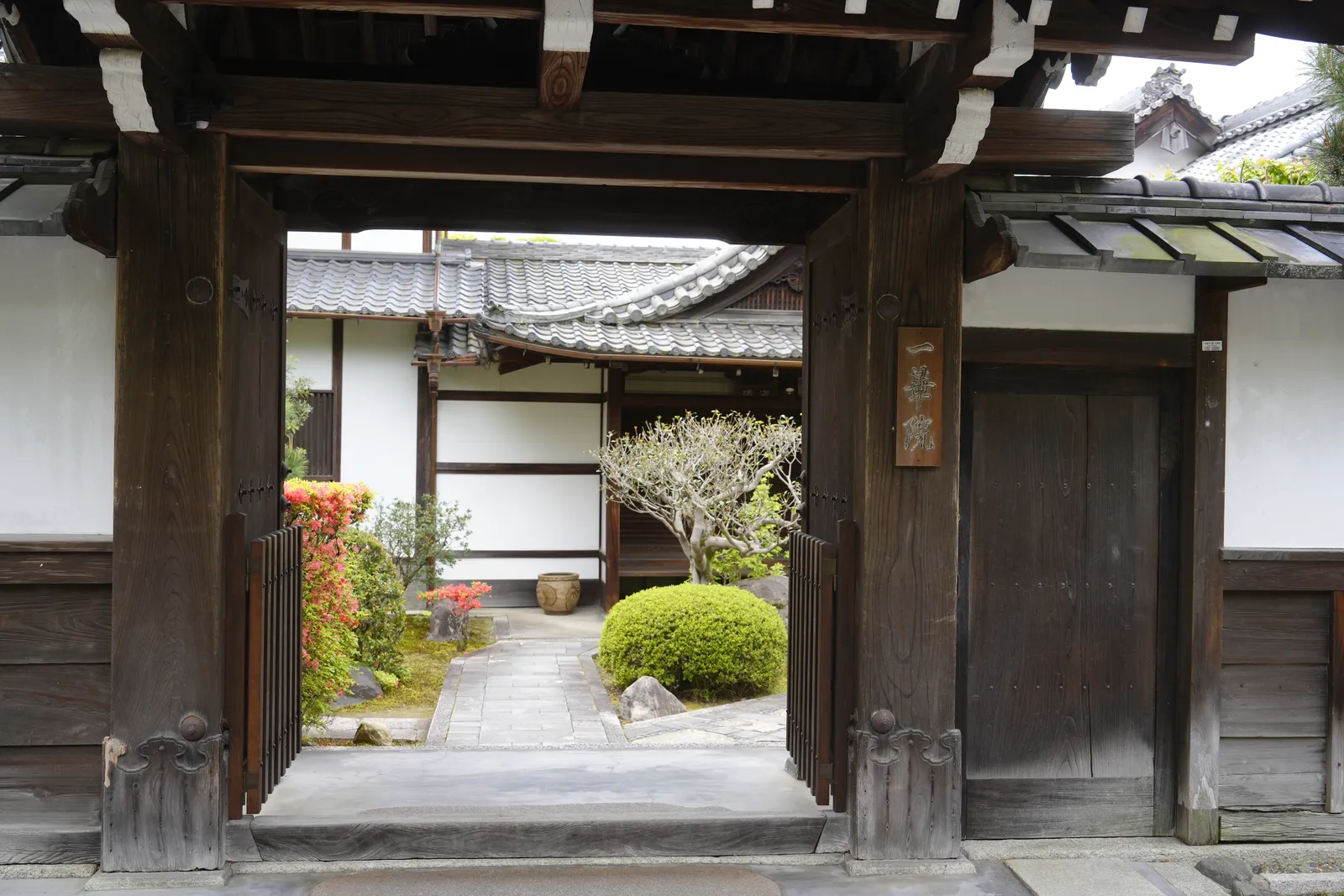
Add a quiet temple stop to your day. We operate Maiko & Zen Kyoto, a 90-minute session at Ikka-in, a sub-temple of Tofuku-ji, where a maiko dances in the same temple hall with no stage between you, then takes time for your questions and photos. See current session times and prices.
Program details can change, so check the latest information on the official pages before you go. Whichever performance you choose, give yourself permission to watch slowly, and let the stage do its quiet work.
Frequently asked questions
What is noh theater?
Noh is a classical Japanese stage art that combines slow movement, chanted lines, music, masks, and rich costumes. Many plays retell old stories of gods, warriors, and spirits, and the mood is calm and focused.
What is the difference between noh and kyogen?
Noh is serious and poetic, while kyogen is comic and uses everyday speech. The two are often presented together, so one program can move between quiet drama and light laughter.
Do I need to understand Japanese to enjoy noh?
It helps to read a short summary of the story beforehand. With the outline in mind, you can follow the movement, the masks, and the music, even if you do not follow every word.
Can I take photos during a noh performance?
Follow the rules of each venue and program. Ask the staff or check the venue's own page if you are not sure what is allowed.
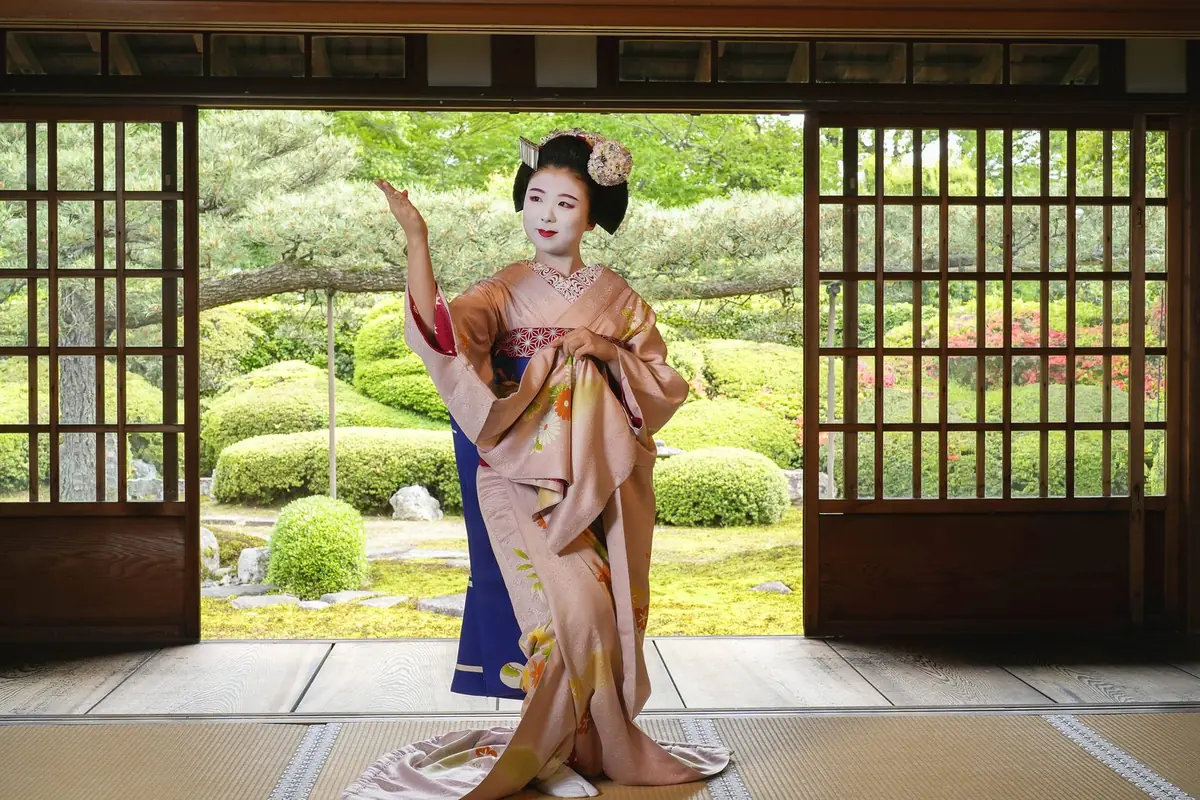
A maiko dance session at a Zen temple near Kyoto Station
Rake a Zen garden, watch two maiko dances and share green tea at Ikka-in, a temple rarely open to the public, one stop from Kyoto Station. Sessions start at 2:00 pm and 3:30 pm.
See the 2:00 pm and 3:30 pm sessions →Sources
- Nohgaku – Noh and Kyogen Theater — Kyoto City Official Travel Guide
- IMAGINE NOH: Legends and Laughter on Stage — Kyoto City Official Travel Guide