Kintsugi Meaning: A First-Timer's Guide to the Art of Gold Repair
We operate the Maiko & Zen Kyoto experience mentioned in this guide.
A cracked bowl does not have to be thrown away. In Japan, it can be mended so that the line of the break shines in gold, and the bowl goes back to the table with its story written on its surface. If you have seen photos of gold-veined pottery and wondered what the word kintsugi means, how the repair is made, and how to look at a mended piece, this guide gives you a calm starting point before you try it yourself.
What Kintsugi Means
Japan's national tourism organization describes kintsugi as the Japanese art of repairing the chips and cracks of ceramics with lacquer and gold.

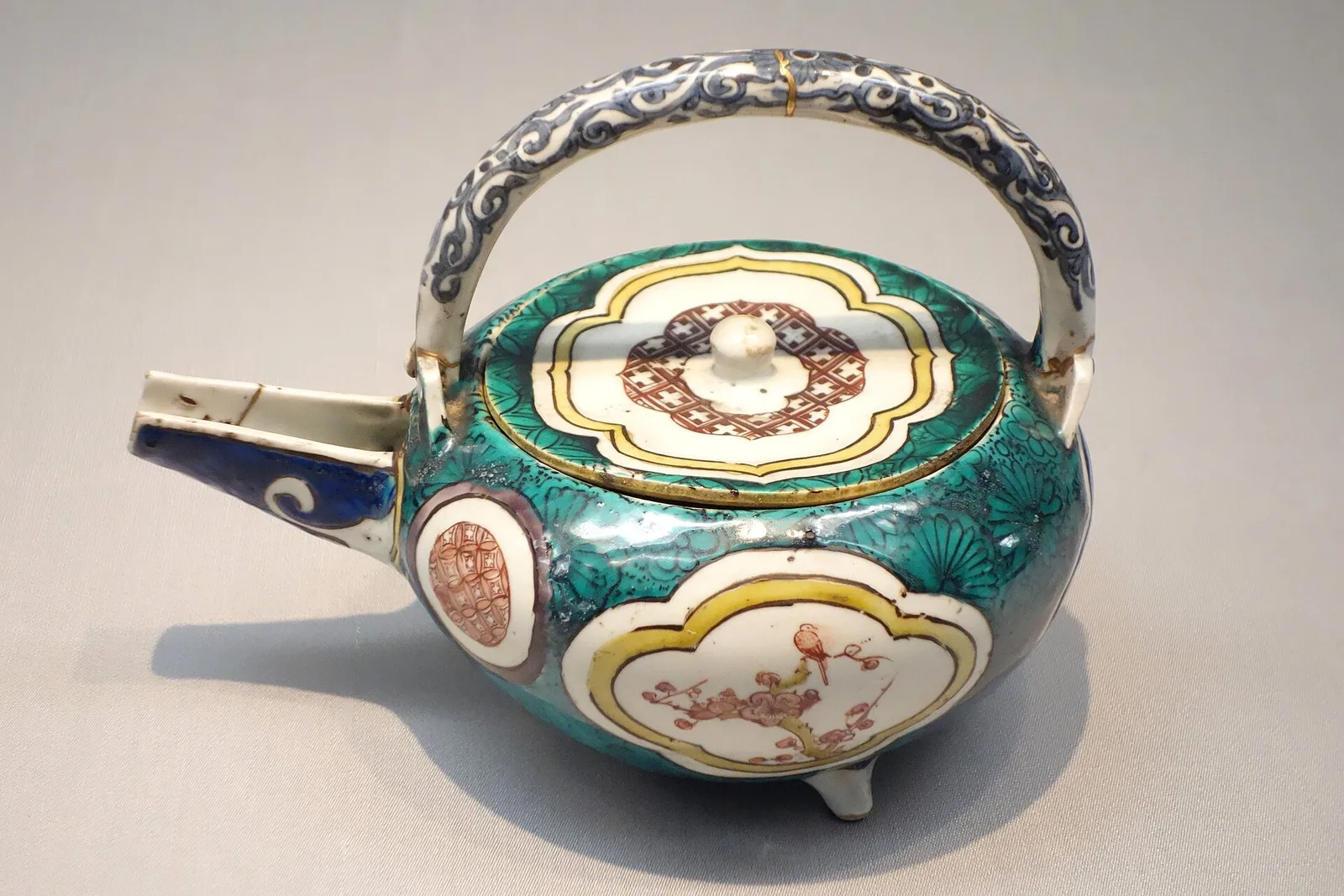
What makes kintsugi different from an ordinary repair is where it puts your attention. A modern glue repair tries to make a crack disappear. A kintsugi repair does the opposite. It follows the crack and traces it, so the break becomes a visible part of the design. The bowl is still the same bowl, but now it carries a record of what happened to it and of the care someone took to keep it.
That is why people speak of the meaning of kintsugi, not just the method. The gold line says that the damage is accepted, and that the piece was valued enough to be mended by hand.
How a Kintsugi Repair Comes Together
You do not need to know every step to enjoy a mended bowl, but a rough picture helps you see what you are looking at. A repair is commonly explained in a few broad stages:
- Joining: the broken pieces are fitted back together with lacquer so that the shape is whole again.
- Filling: chips and gaps are built up so that the surface is smooth and even.
- Coating: a thin layer of lacquer is painted along the line of the crack.
- Finishing: gold is laid onto that line so that it catches the light.
Each stage asks for patience, because every layer needs to set before the next one goes on. This is part of the appeal for many people: kintsugi is slow work, and the slowness shows in the finished line.
Workshops for visitors are designed to give you a taste of this process in a single session. They may use simpler materials or skip some stages so that you can finish something to take home. Ask the workshop which materials it uses, so you understand how your piece relates to a traditional repair.
Reading the Gold Line
Once you know what kintsugi is, a mended piece becomes something to read rather than just something to admire. Try a few simple questions the next time you see one:

- Where did the break happen? Is it a clean crack, a chip on the rim, or a piece that was broken into several parts?
- How does the gold line move? Does it run straight, branch like a river, or curl around the shape of the bowl?
- How does the gold sit next to the glaze? Does it stand out sharply, or blend into a warm, earthy color?
In a well-made piece, the gold seam follows the crack exactly, so you can see where the ceramic broke and how it was joined again. The line is never decided by the maker in advance. It is drawn by the break itself, and the repair simply makes it visible. That is the quiet surprise of kintsugi: no two mended pieces look alike, because no two breaks are the same.
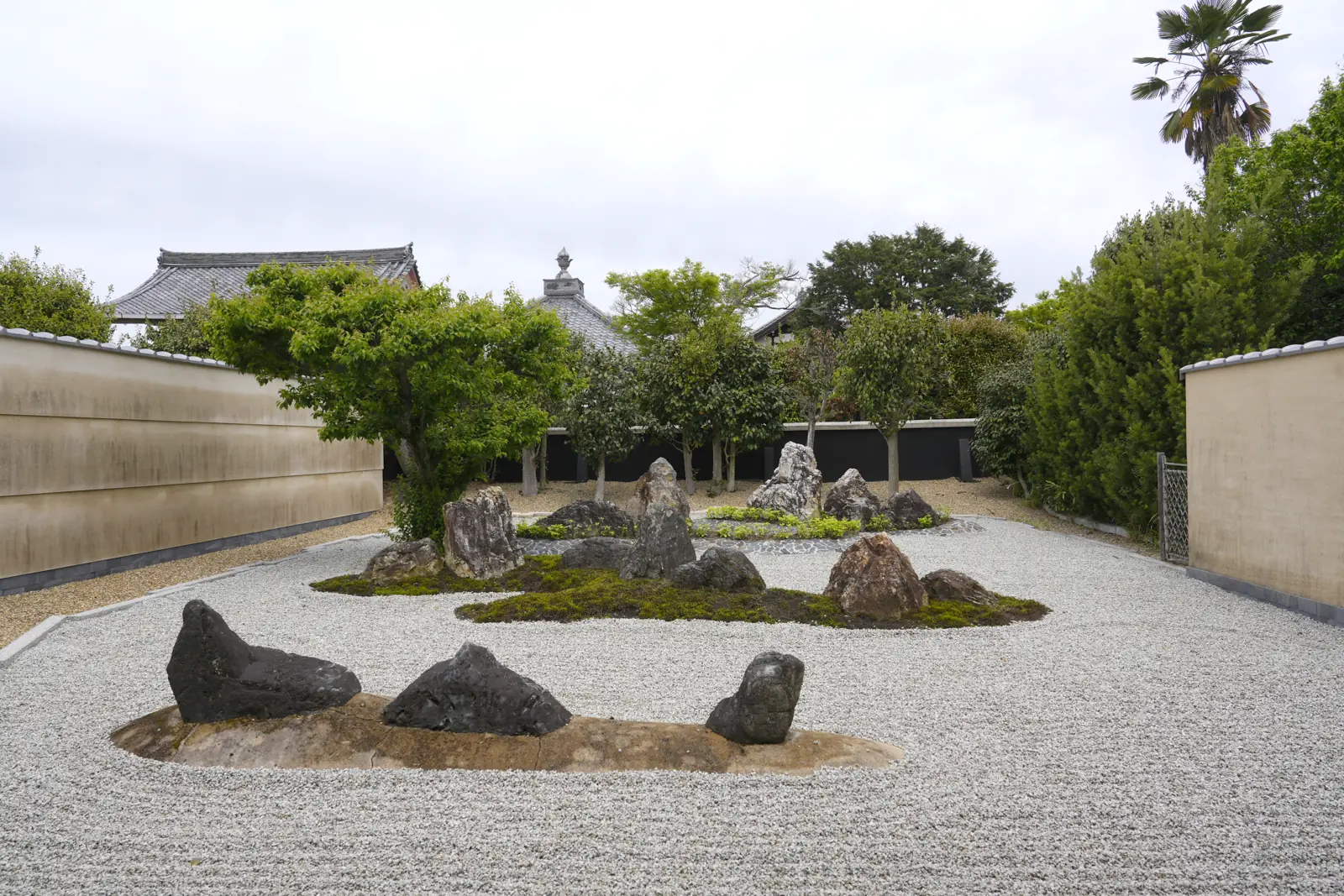
Some people like to read a gold line as a tiny landscape, a river across a field or a crack of light across a dark sky. You do not need to see anything in particular. Let the line slow you down, the same way a rock garden asks you to look longer at a few stones. Our guide to what a rock garden means explores that same way of looking in a garden setting.
Kintsugi and the Idea of Wabi-Sabi
When people write about kintsugi, they often mention wabi-sabi, a term people use to describe finding beauty in things that are simple, worn, or imperfect. The two ideas fit together naturally. A kintsugi bowl does not pretend to be new. It shows that it has been used, broken, and cared for, and it asks you to find that history beautiful rather than embarrassing.
You can also see a link to the calm, attentive mood of Zen. A mended bowl encourages you to accept what is in front of you and to pay attention to small details. If you would like a gentle introduction to those ideas, our guide to the basics of Zen Buddhism is a good companion to this one.
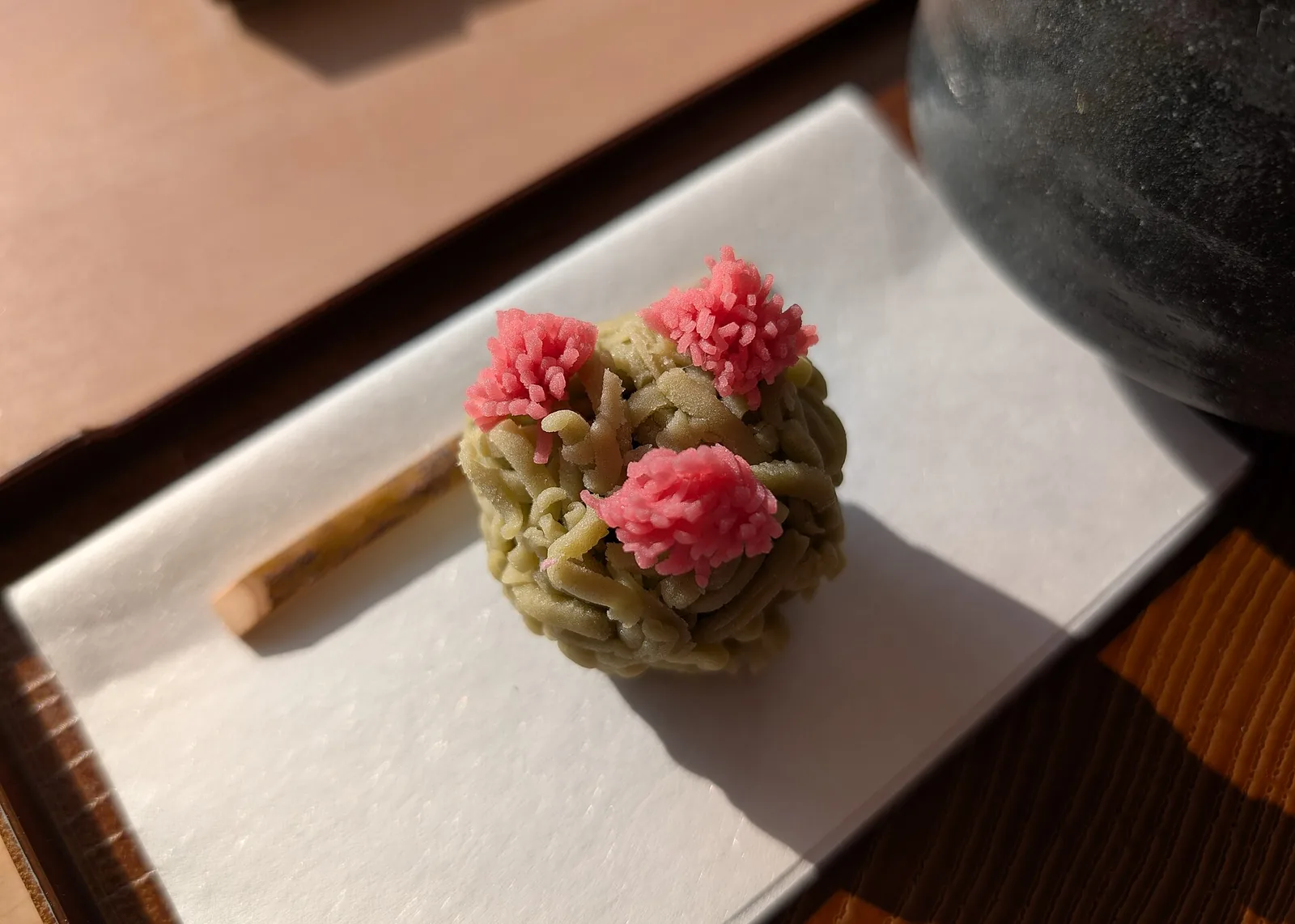
Tea and sweets give you another way in. The Omotesenke school of tea notes that thin tea is usually served with tea sweets to visitors. Holding a cup of tea is a natural moment to feel the weight and texture of handmade ware in your hands. Our guide to Japanese sweets in Kyoto shows how much care goes into the small things served alongside the cup.
Before You Try Kintsugi: Questions to Ask
If you would like to try kintsugi during your trip, a short list of questions will help you choose a workshop that suits you and enjoy it with confidence:
- Materials: does the workshop use traditional lacquer or a simpler material, and is the gold real gold or a gold-colored powder?
- Skin and comfort: are gloves and protective items provided, and is there anything you should tell the staff about allergies or sensitive skin?
- The finished piece: can you take it home on the day, or will it be sent to you after it has set?
- Using the piece: can it hold food or drink, and how should it be washed?
- Language: will the steps be explained in a language you are comfortable with?
Answers vary from one workshop to another, so check the details on the workshop's own page and ask the staff on the day.
Looking at Repaired Ware with Care
Kintsugi pieces in museums, galleries, and shops are made by hand, and many are fragile. A few simple habits keep your visit comfortable for everyone:
- Look with your eyes first. Pick up a piece of ceramic ware when the staff invite you to.
- Hold a bowl with both hands and keep it low over the table.
- Ask before you photograph someone's work, and follow any posted rules about photographs.
- Take your time. A repaired piece rewards slow, quiet looking.
When you look at a kintsugi piece on display, notice how the gold seams change as you move. From one side they look like bright lines, and from another they almost disappear into the glaze. Walk around the piece if the display allows, and give it the same attention you would give a painting.
Add a Quiet Temple Stop to Your Day
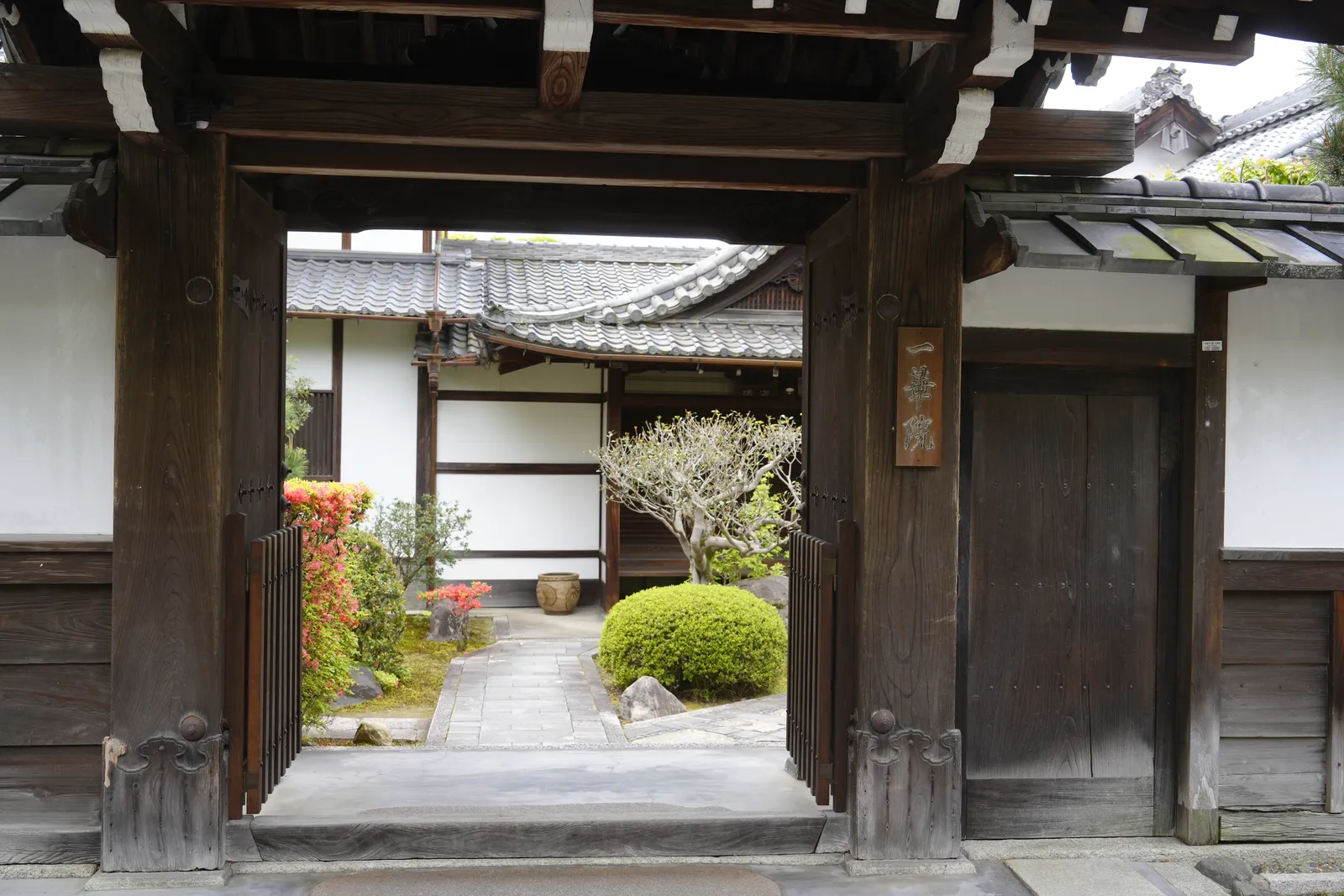
Add a quiet temple stop to your day. We operate Maiko & Zen Kyoto, a 90-minute session at Ikka-in, a sub-temple of Tofuku-ji, where a maiko dances in the same temple hall with no stage between you, then takes time for your questions and photos. See current session times and prices.
Details such as workshop schedules and materials can change, so check the latest information on the official pages before you go. Wherever you meet a mended bowl, take a moment to follow its gold line from end to end.
Frequently asked questions
What does kintsugi mean?
Kintsugi is the Japanese art of repairing the chips and cracks of ceramics with lacquer and gold. Instead of hiding the damage, the repair traces it with a fine line of gold.
Why is the repair made visible instead of hidden?
The gold line keeps the history of the piece in view. Many people read it as a way of saying that a broken thing can be cared for and kept, and that its marks are part of its character.
Can I use a kintsugi piece for food and drink?
That depends on the materials used in the repair. Ask the person who made or repaired the piece how it should be used and washed before you put food or drink in it.
What should I ask before I join a kintsugi workshop?
Ask which materials the workshop uses, whether gloves and protective items are provided, how the finished piece is handled, and whether you can take it home on the day or receive it later.
Is kintsugi connected to wabi-sabi?
Many people connect the two, because both invite you to find beauty in things that are worn, imperfect, or quietly changed by use. You can enjoy kintsugi without knowing the term.
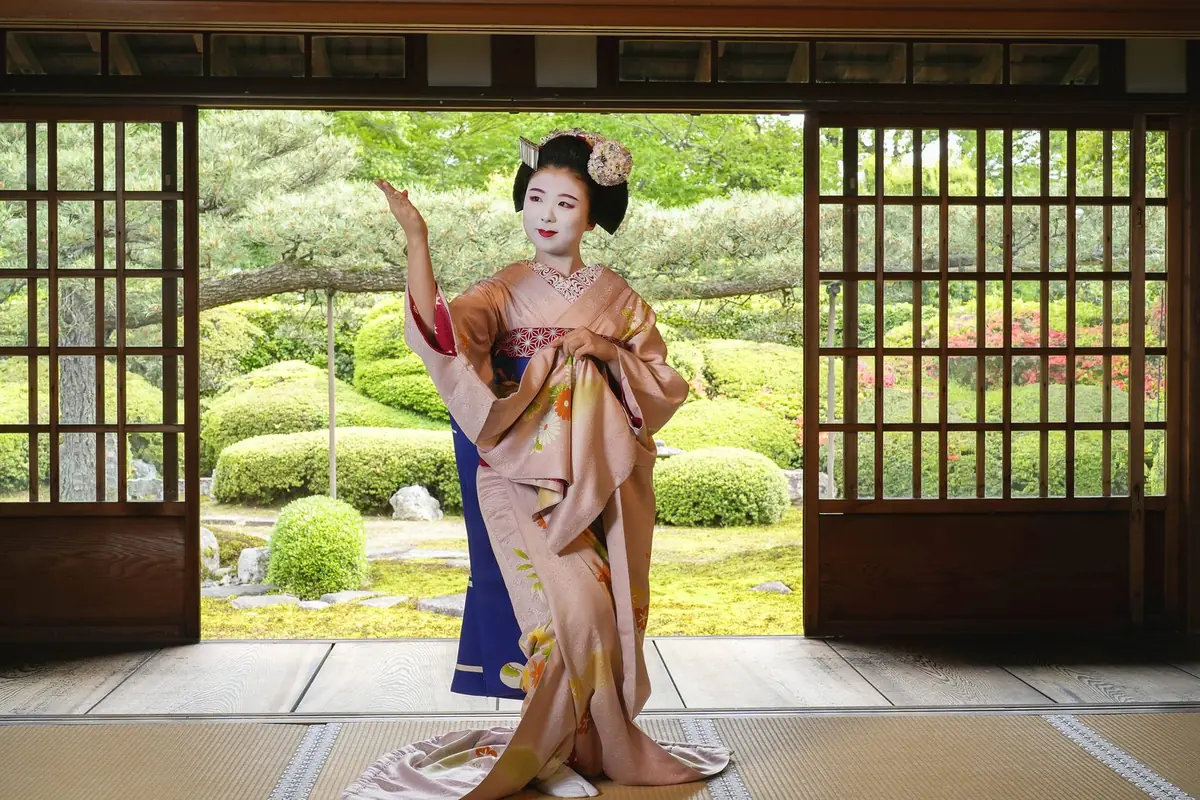
A maiko dance session at a Zen temple near Kyoto Station
Rake a Zen garden, watch two maiko dances and share green tea at Ikka-in, a temple rarely open to the public, one stop from Kyoto Station. Sessions start at 2:00 pm and 3:30 pm.
See the 2:00 pm and 3:30 pm sessions →Sources
- Kintsugi Experience in Kyoto — Japan National Tourism Organization
- Chanoyu glossary — Omotesenke