Japanese Calligraphy for Visitors to Kyoto
We operate the Maiko & Zen Kyoto experience mentioned in this guide.
In Kyoto you will see brushed characters on hanging scrolls, wooden signs, and sliding doors, and it is natural to ask what you are looking at. You do not need to read Japanese to enjoy them. A few simple ideas about how calligraphy works will turn a quick glance into a slow, rewarding look. This guide explains what shodo is, where it came from, and how to appreciate brushwork and white space, so that your temple visits feel richer.
What Shodo Means
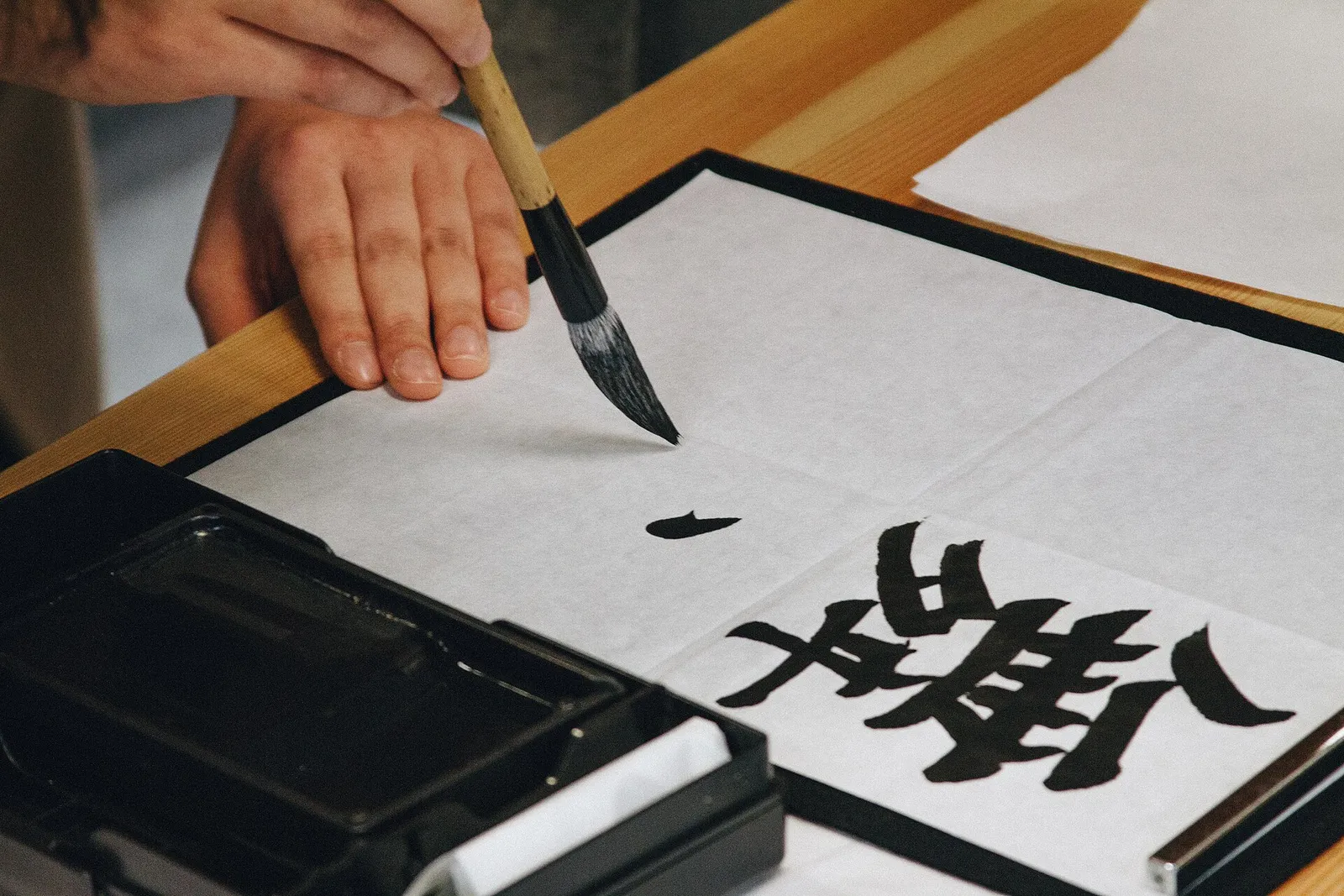
Shodo is the Japanese term for an art form: brushing characters onto paper in ink. In English it goes by the name Japanese calligraphy.
The key idea is that shodo treats writing as an art. The meaning of the characters matters, but so does the way they are drawn: how thick or thin each line is, how fast the brush moved, and how the whole piece sits on the paper. Two people can write the same word and produce very different works, because each stroke carries something of the person who made it.
That is why you will often see people stand quietly in front of a single scroll. They are reading the words, and they are also following the movement of the brush.
How Calligraphy Reached Japan
Japan's national tourism organization traces calligraphy back to China: it reached Japan in the 6th century, traveling together with Buddhism. Before that, according to the same source, Japan had no written script at all.
Put those two facts together and a simple picture appears. Writing and Buddhism arrived together, so the written word and the temple world have a shared starting point. That is one reason brushed characters feel at home in temples.
If you like to connect these stories with what you see in person, our Zen Buddhism basics guide explains the temple world that this art grew alongside.
Brush, Ink, and Paper
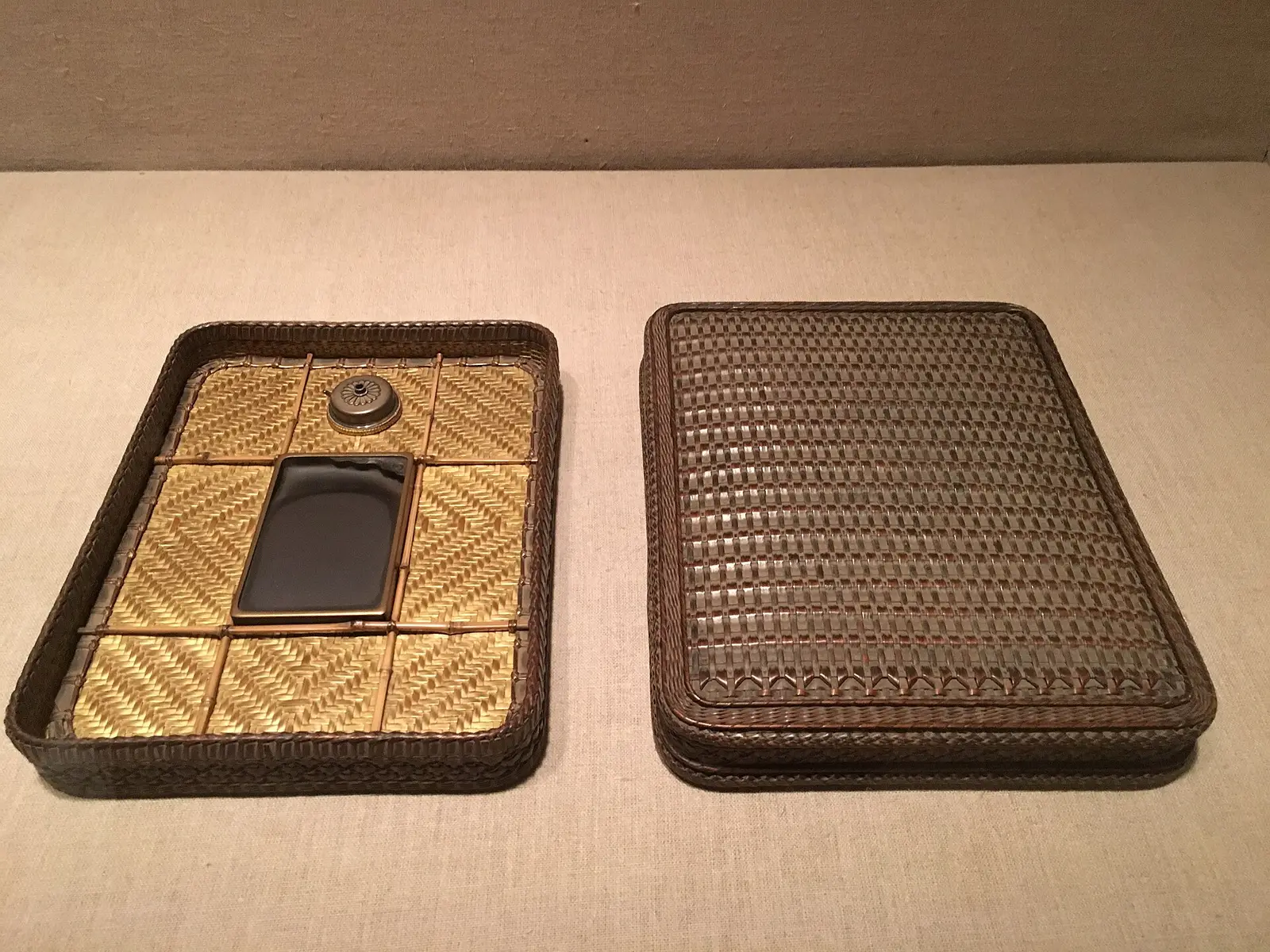
Shodo needs very little equipment to describe: brush, ink, and paper. In museums and temple displays you may also see an inkstone, the flat stone where ink is ground with water before writing. What makes it difficult is that the brush is soft and responds to every small change in pressure. A line cannot be erased once it is made, so the writer has to decide before the brush touches the paper.
When you look at a piece of calligraphy, try these gentle exercises:
- Follow one line from start to finish and notice where it begins firmly and where it thins out.
- Look for places where the ink seems lighter or drier, and imagine the brush moving quickly there.
- Step back and see the piece as a whole shape, as you would look at a painting.
You are not expected to judge whether a work is good. The goal is to slow down and let your eyes follow the brush, a habit that also helps in gardens and temple halls.
The Meaning of White Space
This next idea is a handy one for visitors. Japan's national tourism organization says that in shodo, the empty area around the characters matters as much as the characters themselves, and is every bit as beautiful.
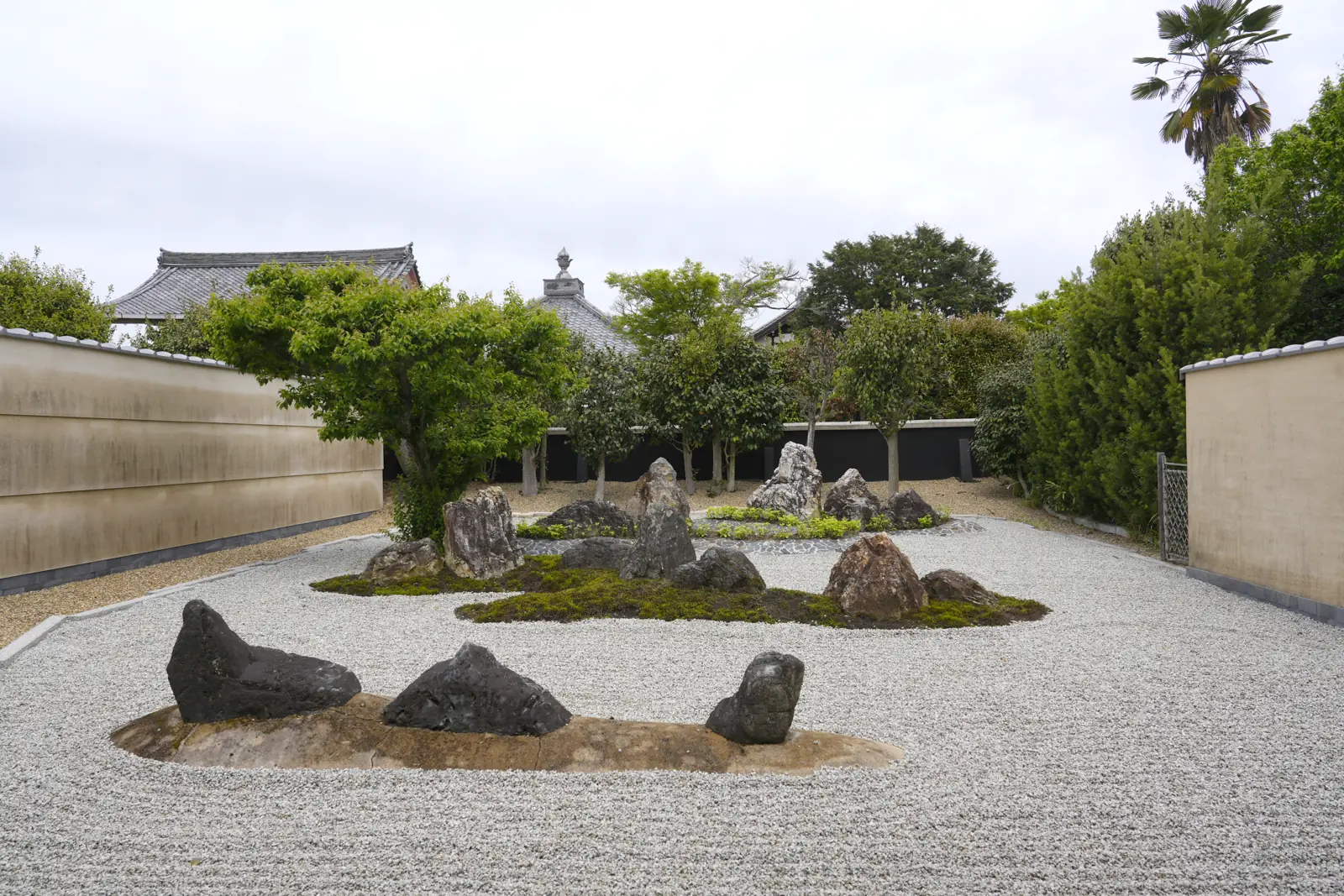
In other words, the empty paper is part of the work. When a piece looks calm, it is often because the writer left room for the characters to breathe. You can look for the same idea elsewhere in Kyoto. In a Zen garden, empty ground can work like the white space around brushed characters, and our guide to the meaning of a karesansui garden shows how to read that kind of emptiness.
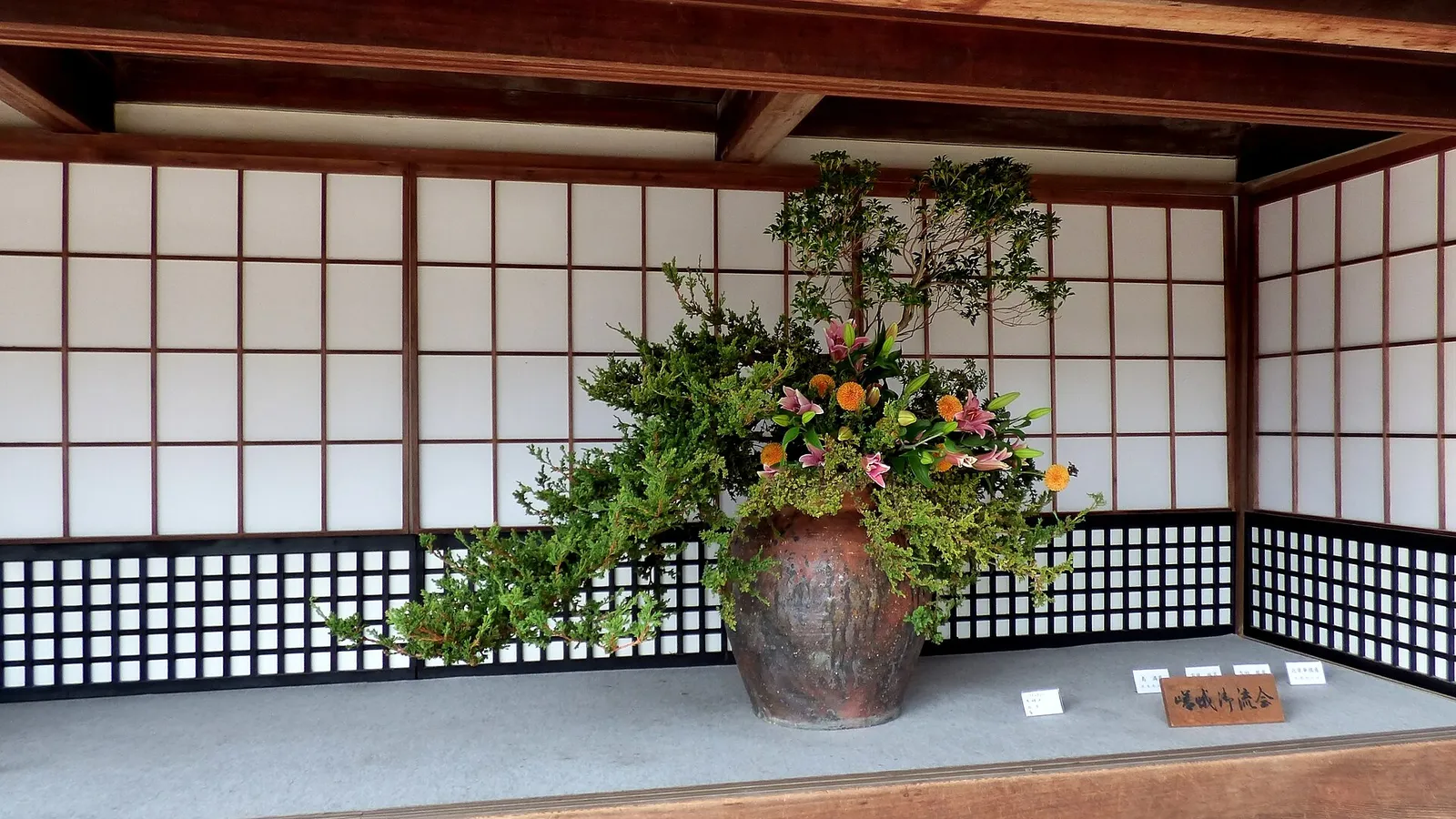
Flower arranging follows a related instinct, giving each stem room so that the whole composition feels light. If that appeals to you, our ikebana guide is a good next read.
Calligraphy in Everyday Learning
Calligraphy is an everyday subject, not just an art for specialists. Japan's national tourism organization notes that six years of shodo lessons are part of the national school curriculum.
For a visitor, it is a reassuring thought. If you decide to try writing with a brush at some point during your travels, you will be joining a very common experience, and it is perfectly fine to be a beginner.
If you do try, a few simple habits help:
- Go slowly, and let each stroke finish before you start the next.
- Keep your hand light, and do not worry about making the lines perfect.
- Look at your work from a distance, then try again.
Looking at Calligraphy in a Temple
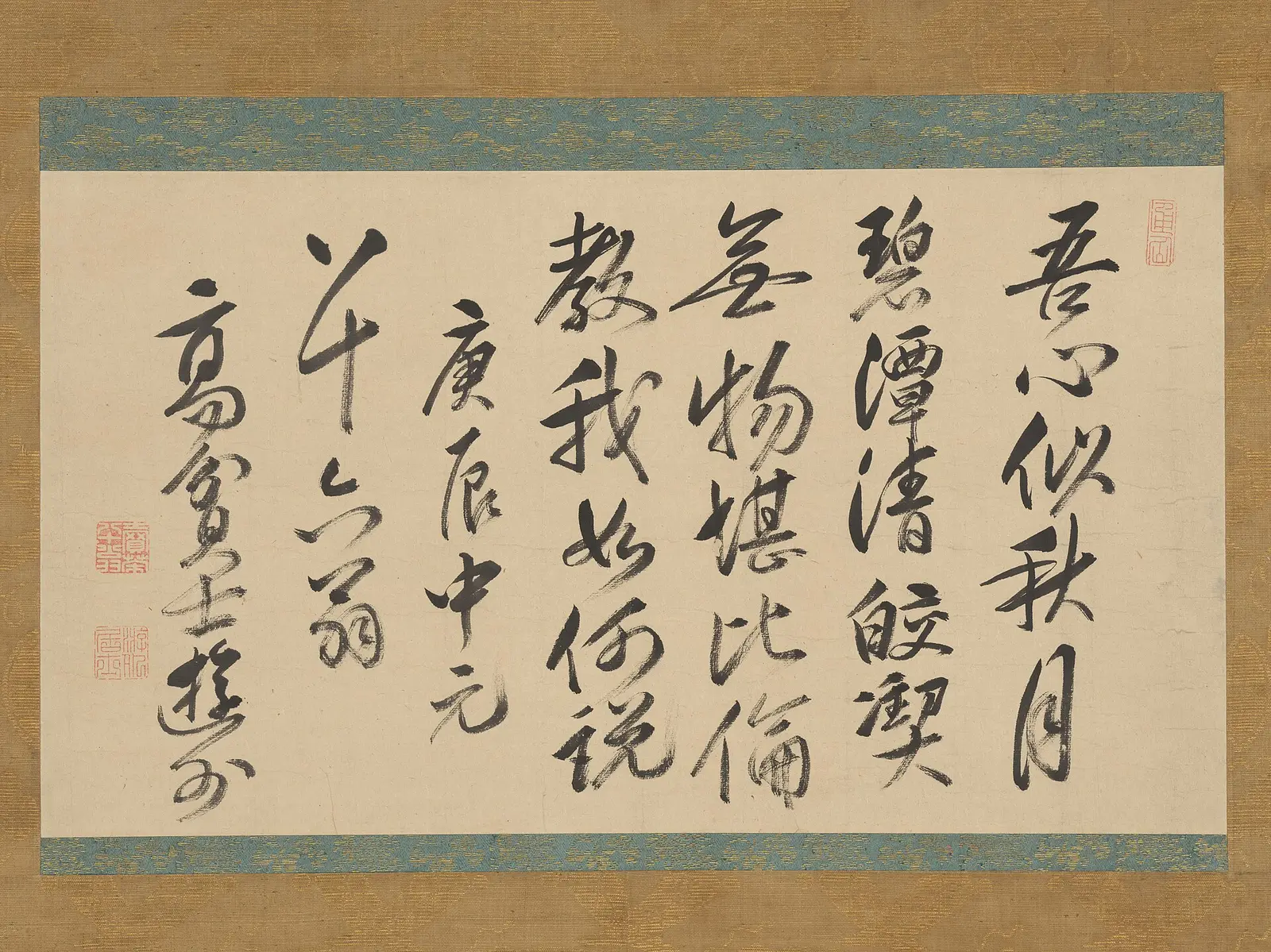
You may come across brushwork inside temple halls, on gates, or on a hanging scroll in a quiet room. When you do, give yourself a moment before you move on. Read what you can, notice the spacing, and let the piece set the pace of your visit. If a sign or guide explains what a piece says, the explanation will make the brushwork even more meaningful.
Each temple has its own rules about photography and where visitors may walk, so follow the signs and the staff, and check the temple's official page before you go.
A slow, attentive way of looking is good preparation for calligraphy and for temple visits alike. Take your time, keep your questions, and let the quiet do some of the teaching.
Add a Quiet Temple Stop to Your Day
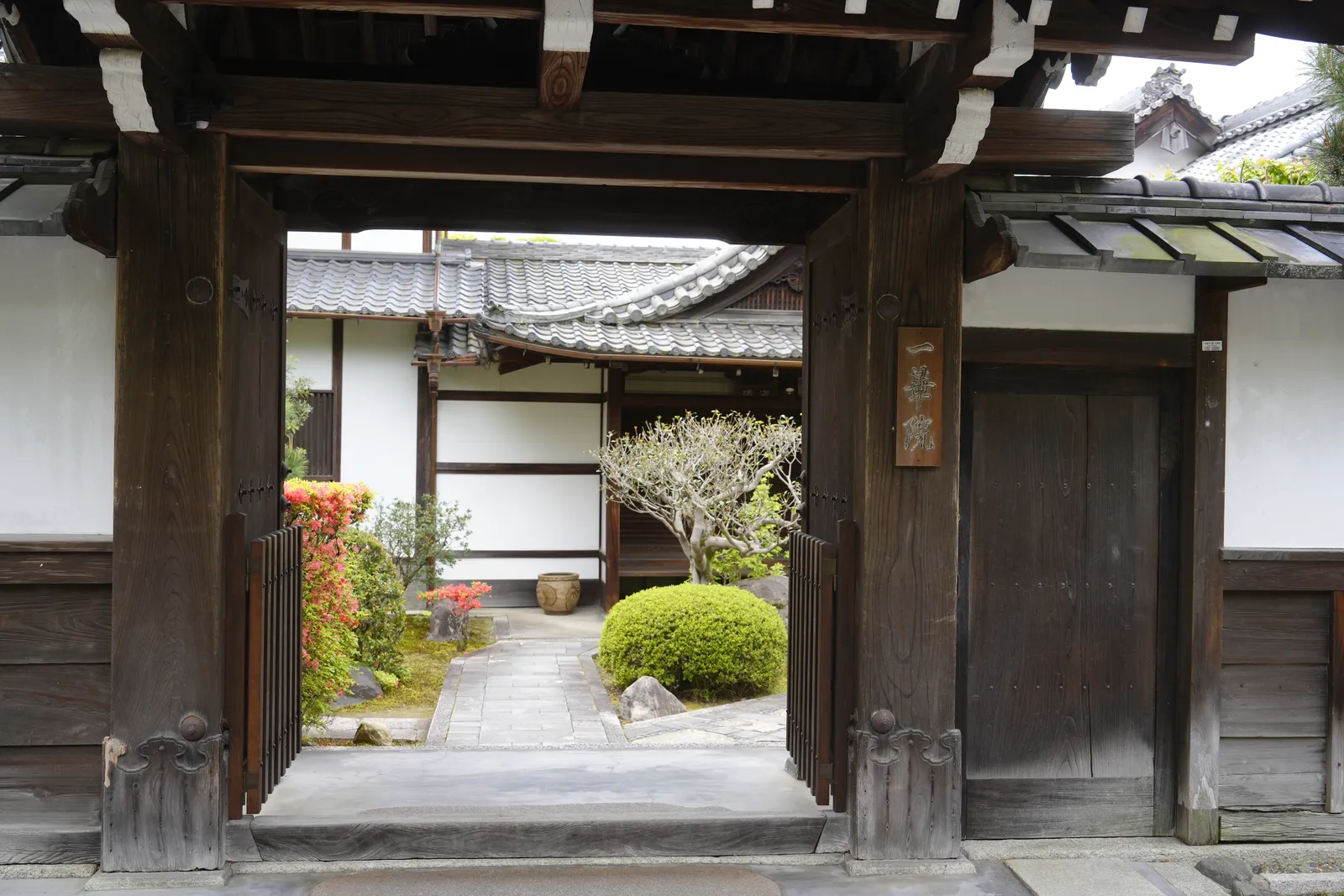
Add a quiet temple stop to your day. We operate Maiko & Zen Kyoto, a 90-minute session at Ikka-in, a sub-temple of Tofuku-ji, where a maiko dances in the same temple hall with no stage between you, then takes time for your questions and photos. See current session times and prices.
Frequently asked questions
What is shodo?
Japan's national tourism organization describes shodo as the Japanese term for an art form: brushing characters onto paper in ink.
When did calligraphy come to Japan?
It reached Japan from China in the 6th century, alongside Buddhism, according to Japan's national tourism organization.
Do Japanese students learn calligraphy at school?
Yes. Japan's national tourism organization notes that six years of shodo lessons are part of the national school curriculum.
Why does the empty space matter in a piece of calligraphy?
Because the blank paper is part of the work. Japan's national tourism organization says the empty area around the characters matters as much as the characters do, and is every bit as beautiful.
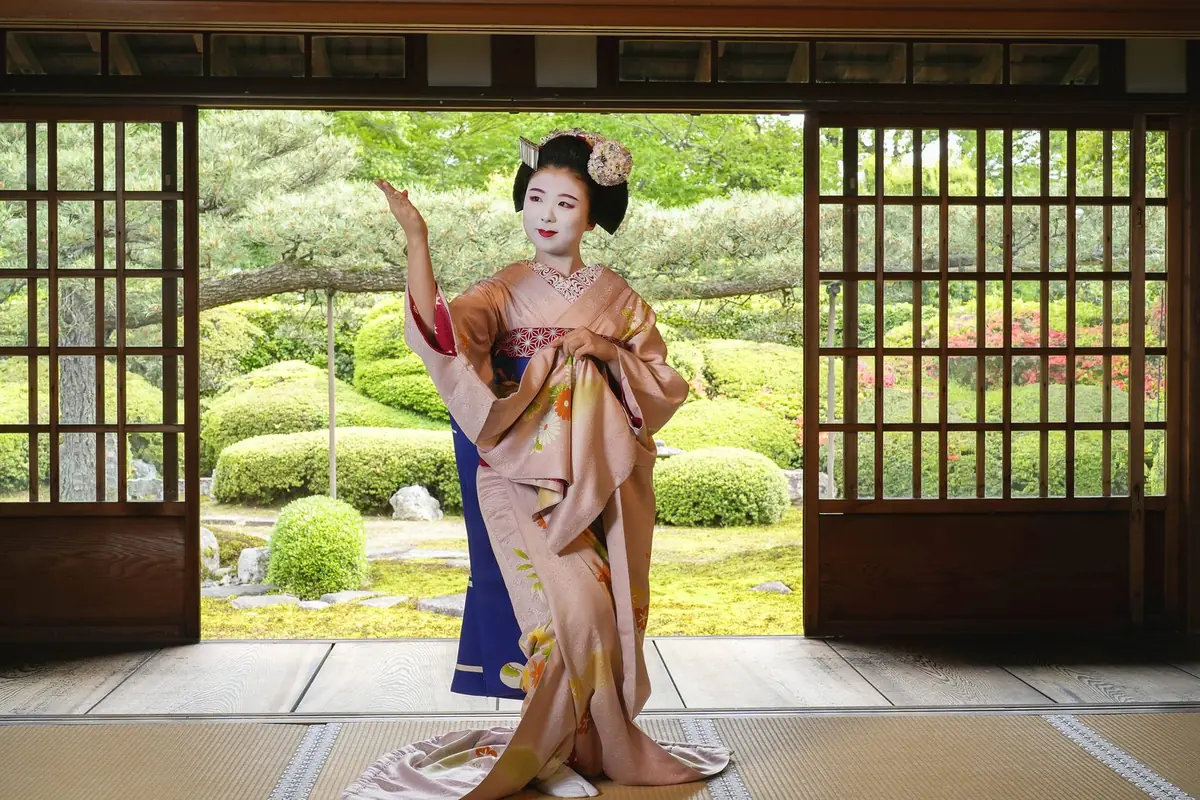
A maiko dance session at a Zen temple near Kyoto Station
Rake a Zen garden, watch two maiko dances and share green tea at Ikka-in, a temple rarely open to the public, one stop from Kyoto Station. Sessions start at 2:00 pm and 3:30 pm.
See the 2:00 pm and 3:30 pm sessions →Sources
- Masters Series Part Three: The Art of Calligraphy — Japan National Tourism Organization
- The Art of Calligraphy (Japan National Tourism Organization) — Japan National Tourism Organization