Tenryu-ji Guide: What to See, How to Walk It, and How to Get There
We operate the Maiko & Zen Kyoto experience mentioned in this guide.
Tenryu-ji is a large Zen temple in Arashiyama, and for many travelers it is the reason to make the trip west. This guide stays with the temple itself: what each part of the grounds offers, a sensible order for walking them, and the practical details from the temple's own pages. For the wider district around it, see our Arashiyama guide.
What Makes Tenryu-ji Worth a Visit
The temple is registered as a UNESCO World Heritage Site, and its own pages describe it as one of Kyoto's important cultural properties.
Most visitors come for the garden, but the grounds hold more than one view. There is a pond garden at the center, a row of wooden halls beside it, a path of flowering trees leading to a gate on the far side, and a bamboo road just outside that gate. Seeing them in a good order is what turns a quick stop into a satisfying visit.
The Sogenchi Garden
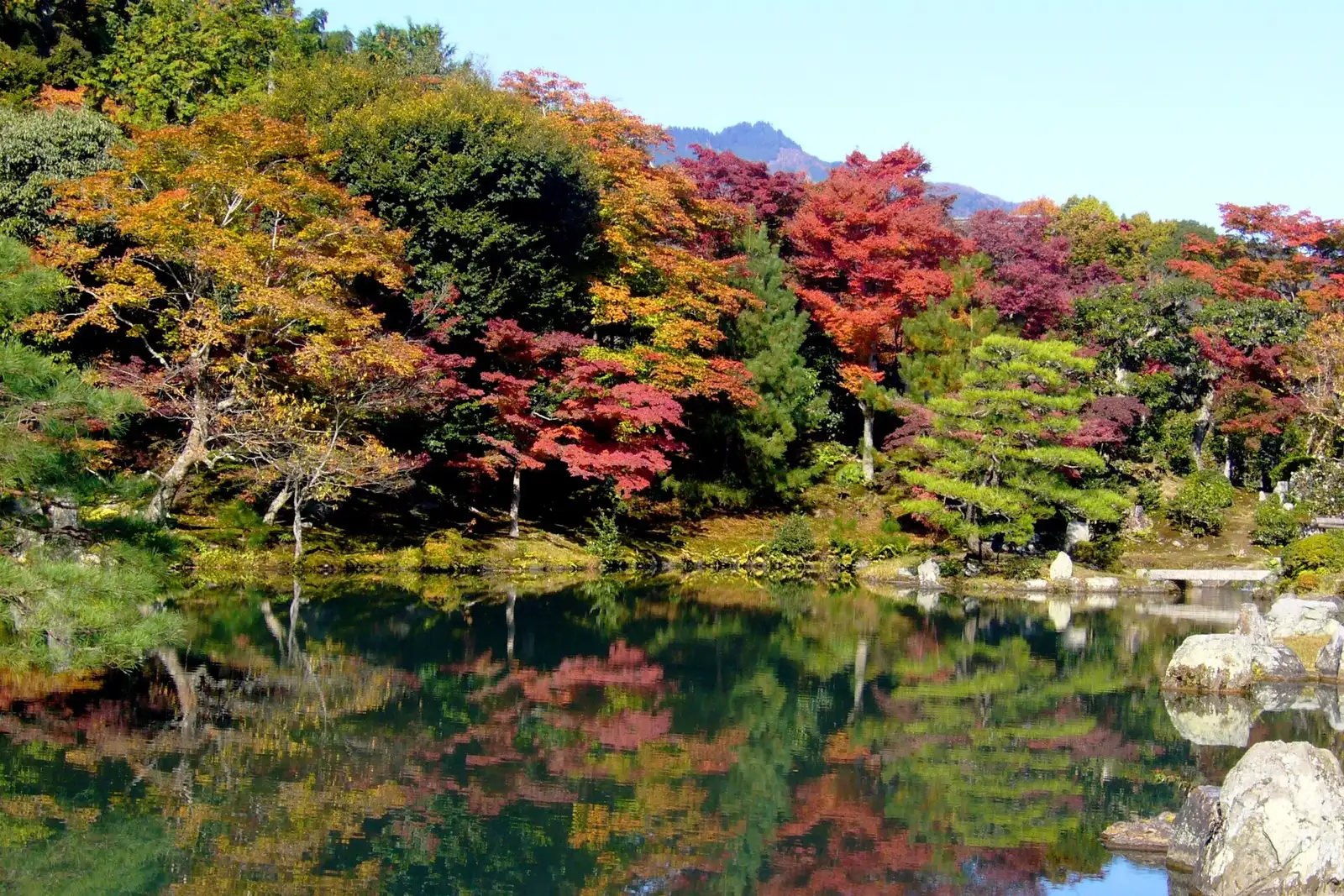
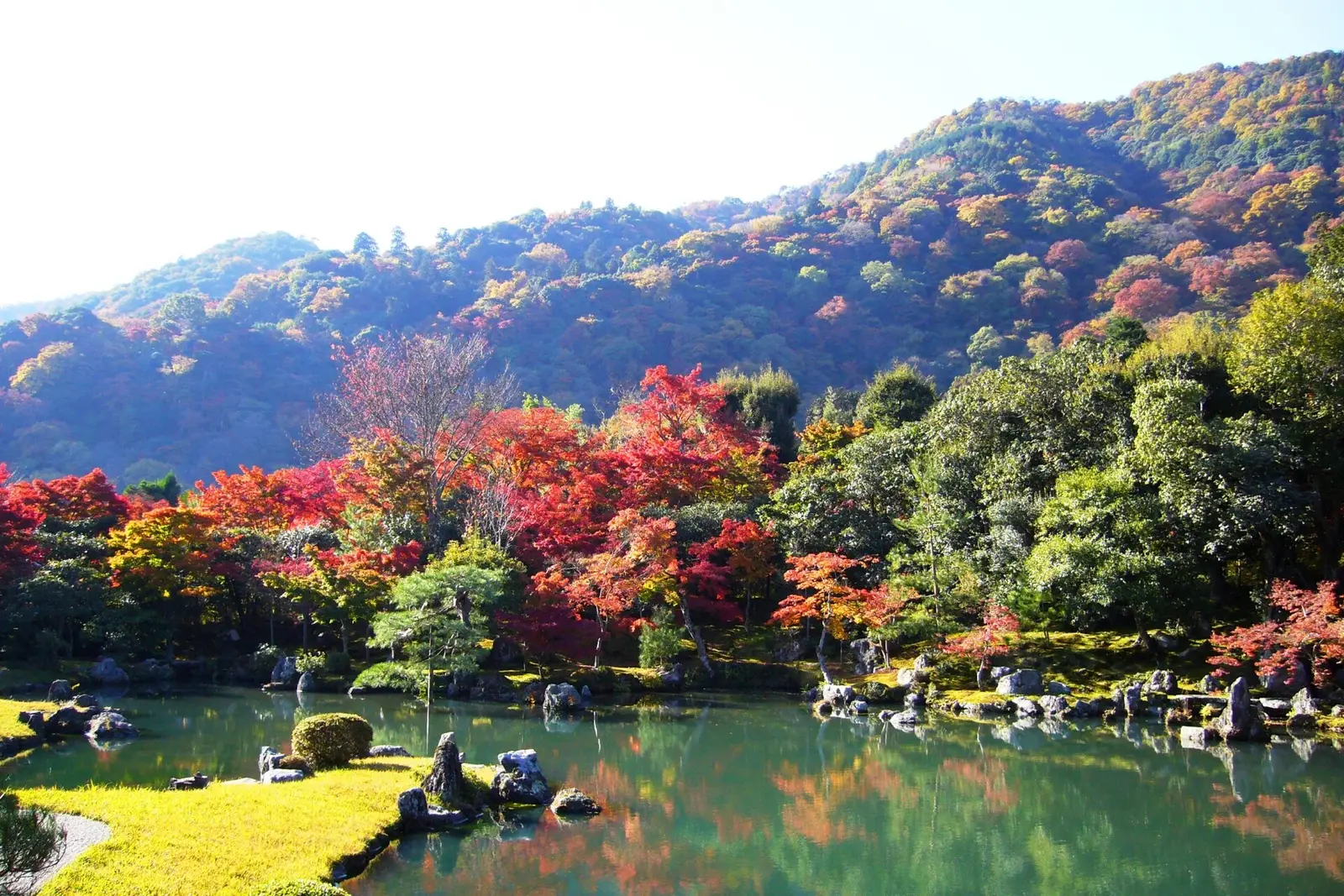
The Sogenchi garden is the heart of Tenryu-ji. It was laid out nearly seven hundred years ago by the Zen master Muso Soseki, and it is still the first thing most people head for.
The temple describes it as a strolling pond garden. A level path circles the water, so you see the same scene from many different positions instead of from a single spot.
The designer also borrowed from the landscape beyond the wall. The nearby mountains are treated as part of the picture, a technique called shakkei, or borrowed scenery, and it gives the garden extra depth. Look past the far shore at the wooded slope and you will see why the pond seems to belong to the hills behind it.
Stand at the center of the veranda of the Hojo and look straight across the water. A group of large upright rocks comes into view. They represent the Dragon Gate Falls, a waterfall on the Yellow River in China. The City of Kyoto's description of the garden also mentions a stone bridge and rock islands, and notes that the design puts weight on the view from the Hojo.
Halls and Paths Beyond the Pond
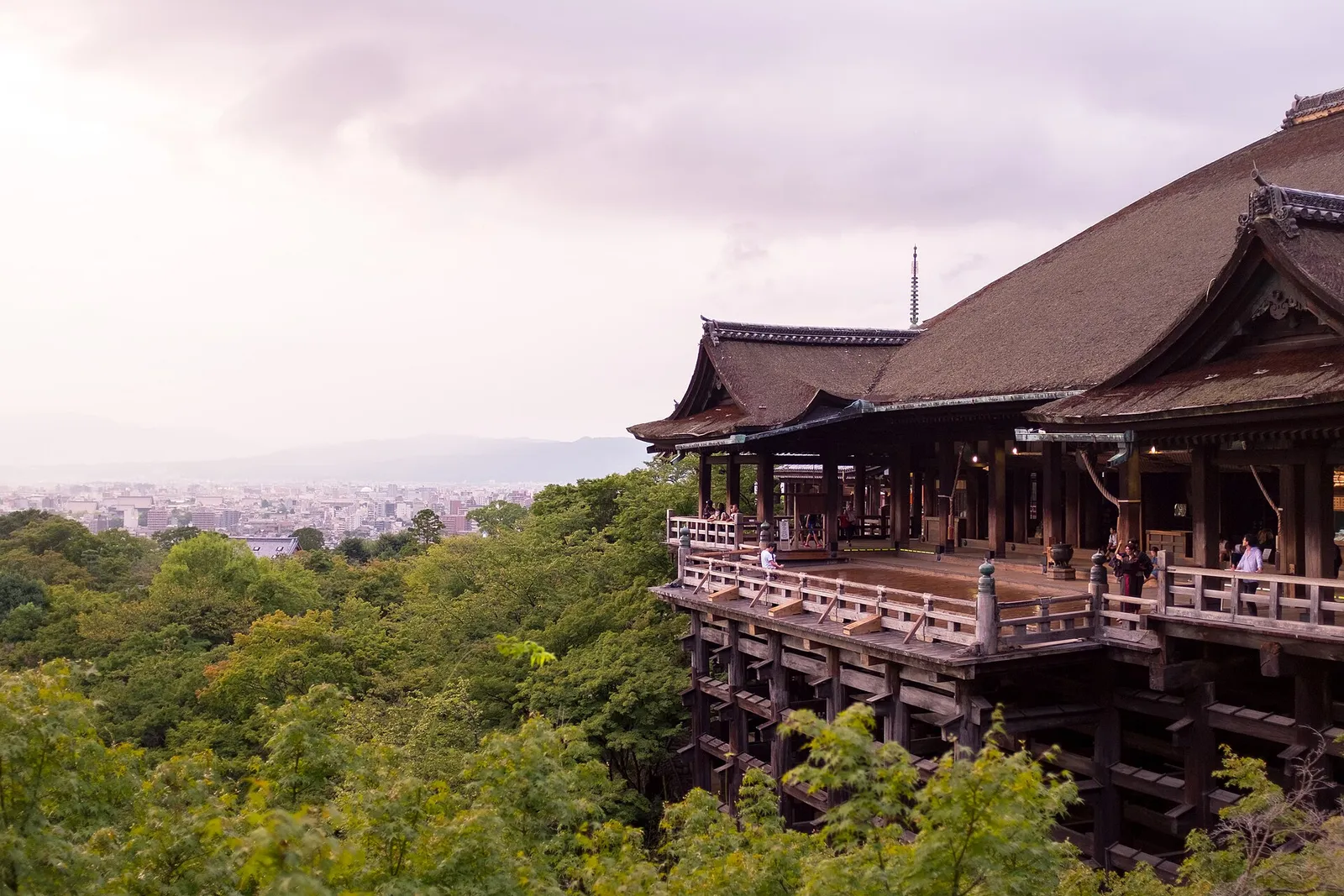
The Daihojo is the largest building at Tenryu-ji, and wide verandas run along its front. Because the garden was composed to be seen from there, the veranda is a good place to sit down and let the view settle before you walk the path around the pond.
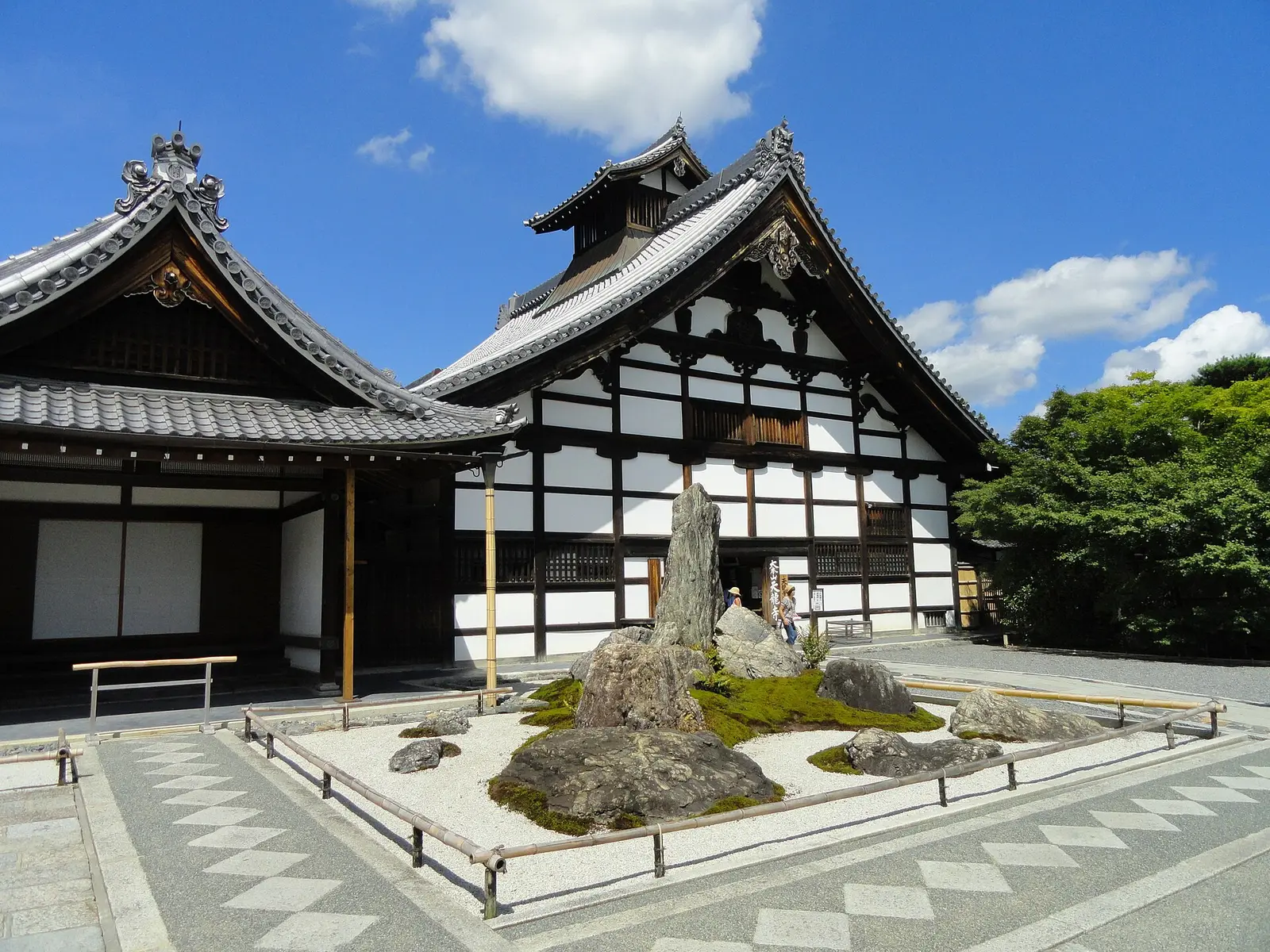
The Kuri is the most commonly photographed of the temple's buildings, and it has become something of a symbol for Tenryu-ji itself. Its white walls and curved roofs are easy to recognize, and the gravel courtyard with standing rocks in front of it makes a calm frame.
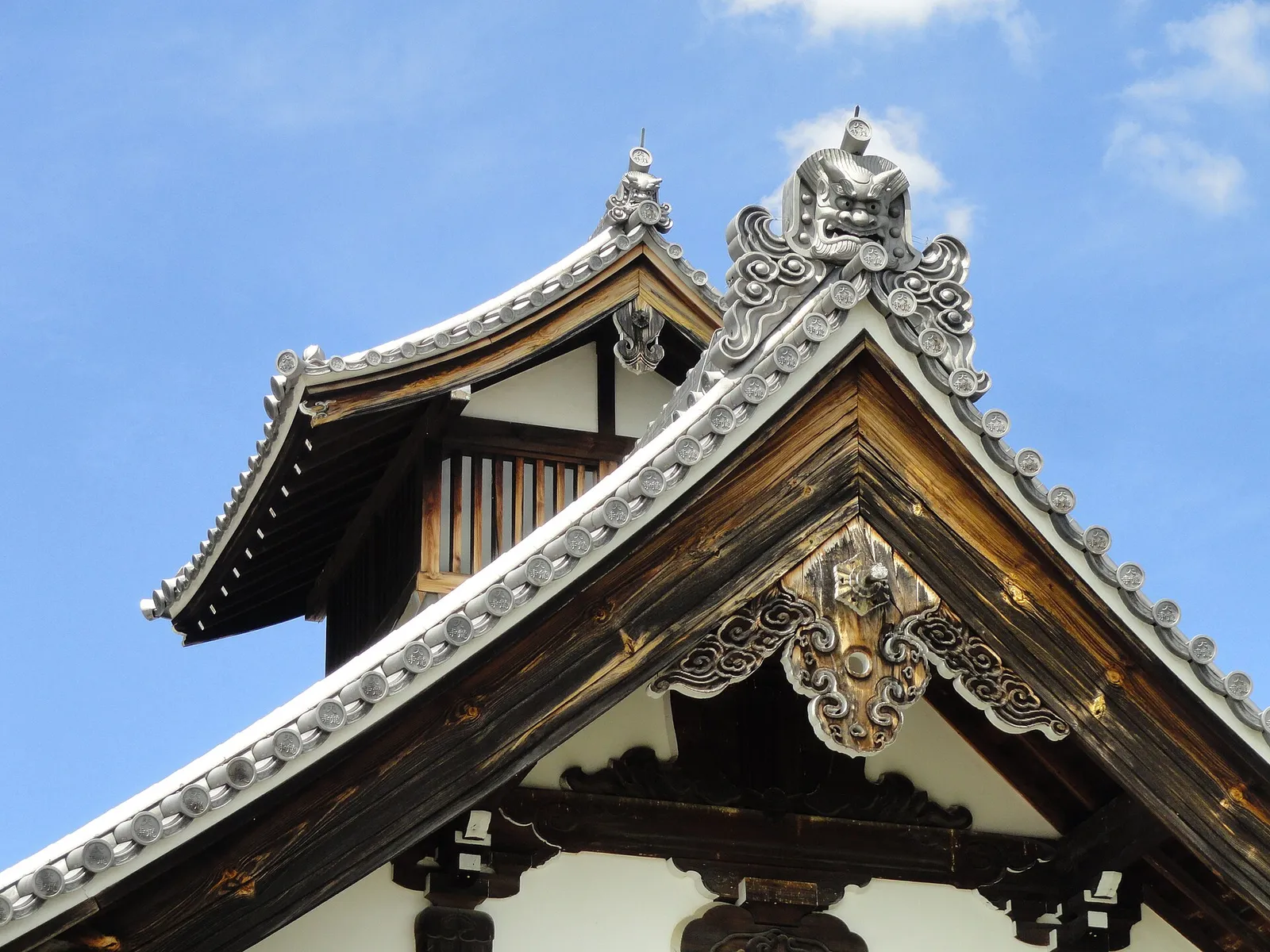
Look up as well as ahead. The ridges of the roofs end in carved ornaments, and the beams under the eaves are shaped and decorated, so the buildings reward a slow look from below.
The Tahoden has a worship hall at the front, a shrine displaying a statue of Emperor Go-Daigo at the rear, and an intermediate room connecting the two. The Sodo, the training hall for the monks, is closed to the public, which is a reminder that Tenryu-ji is a living Zen temple and not only a sight.
Toward the north gate, the Hyakka'en is a garden of flowering trees, bushes, and herbs. It was laid out together with the north gate in 1983, and it makes a gentle last stretch of the temple walk.
A Walking Order for Your Visit
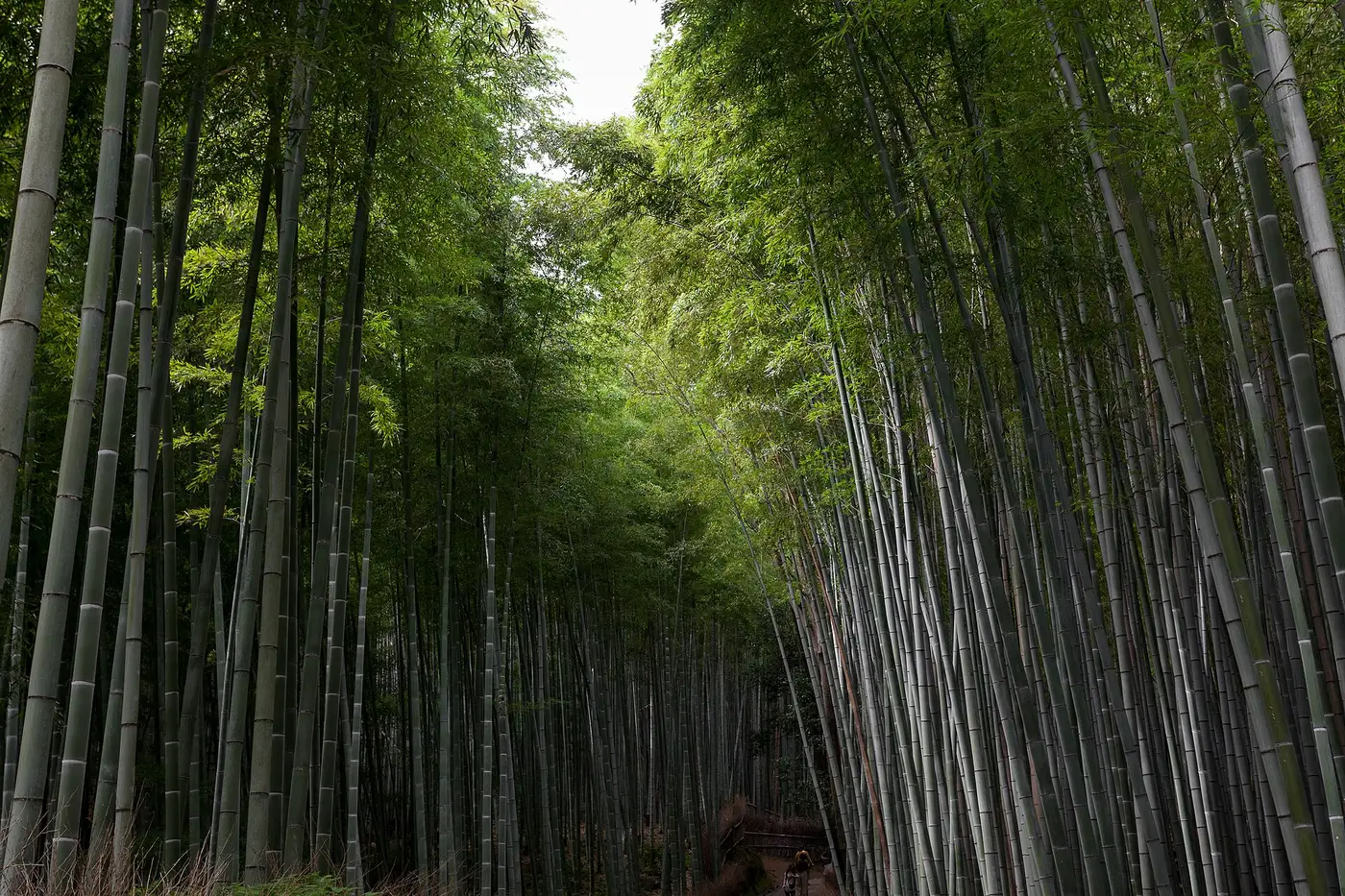
A natural route has three parts. Begin at the pond and see it first from the Hojo veranda, then follow the path around the water, and finally walk the Hyakka'en toward the north gate. Once you leave that gate, you can continue through the famous Sagano bamboo forest.
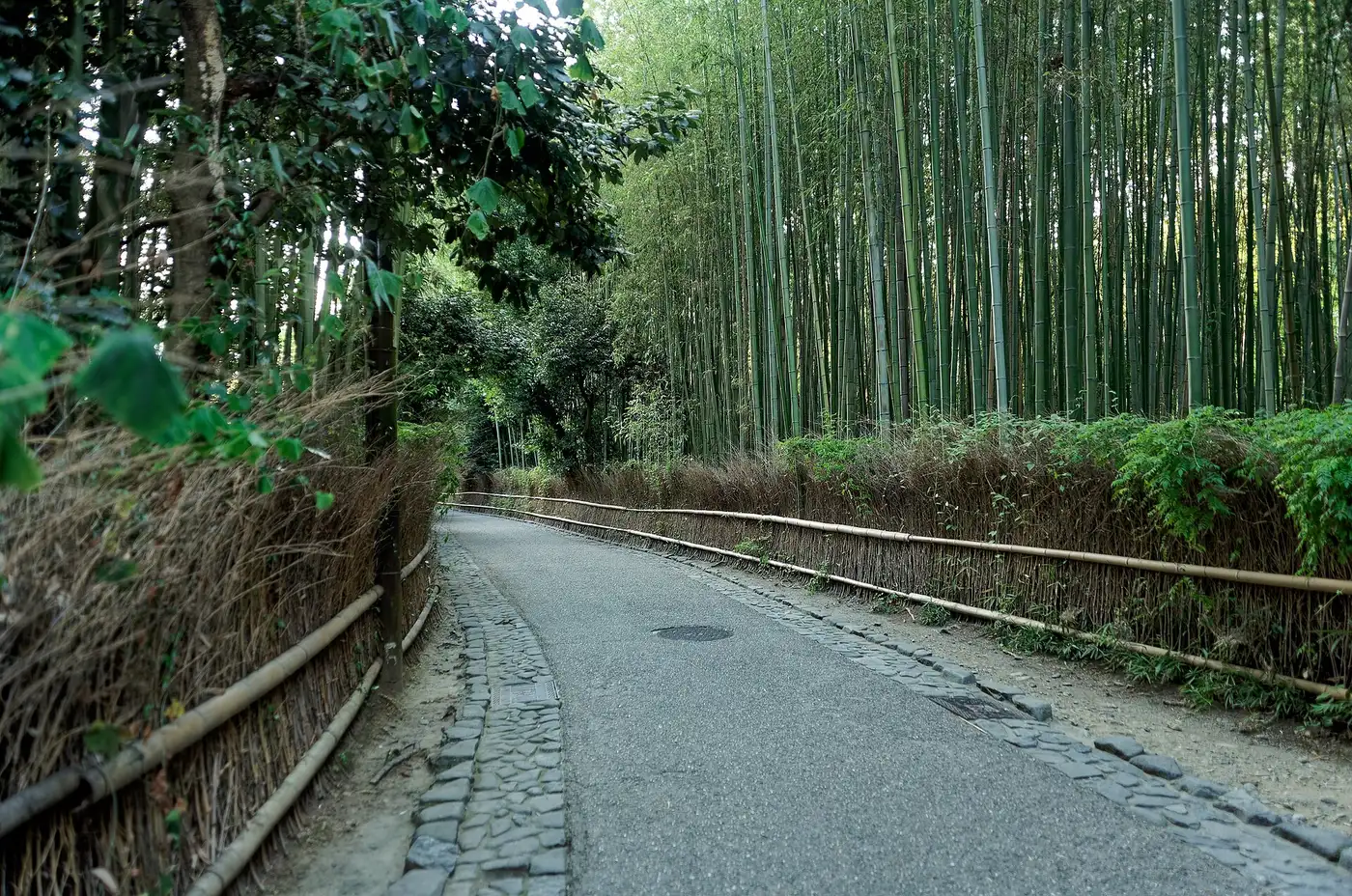
You can reverse the order if that suits your day. Some travelers start on the bamboo path and then enter the temple from the north side, finishing at the pond and the main halls. Either direction works, so choose it by where your train or bus drops you and where you want to end the day.
Give the pond a slow loop instead of a quick look from one spot. The view changes with every few steps, and the hills, the water, and the rocks line up differently each time. Keep the halls for the end if you have limited time, because the garden is what you came to see.
Getting to Tenryu-ji
The closest railway is the Keifuku Arashiyama Line. From Arashiyama Station on that line, the temple is about 5 minutes on foot.
From Saga-Arashiyama Station on the JR Sagano Line, the walk to the temple takes 13 minutes.
If you arrive at Arashiyama Station on the Hankyu line, the temple is a 15 minute walk away.
City buses 11, 28, and 93 stop at Arashiyama Tenryu-ji Mae, the bus stop for the temple. Check where your route ends before you leave, and plan the last part of the walk from that point. For a map or a taxi driver, the address is 68 Susukinobaba-cho, Saga-Tenryuji, Ukyo-ku, Kyoto-shi, 616-8385 Japan.
Hours, Tickets, and the Dharma Hall
The garden is open from 8:30 am, and the last entry is at 4:50 pm before the 5:00 pm close.
A garden ticket costs 500 yen for visitors from high school age up, and adding the main halls costs 300 yen more.
The Cloud-Dragon Painting in the Dharma Hall has its own ticket at 500 yen, separate from the garden and buildings.
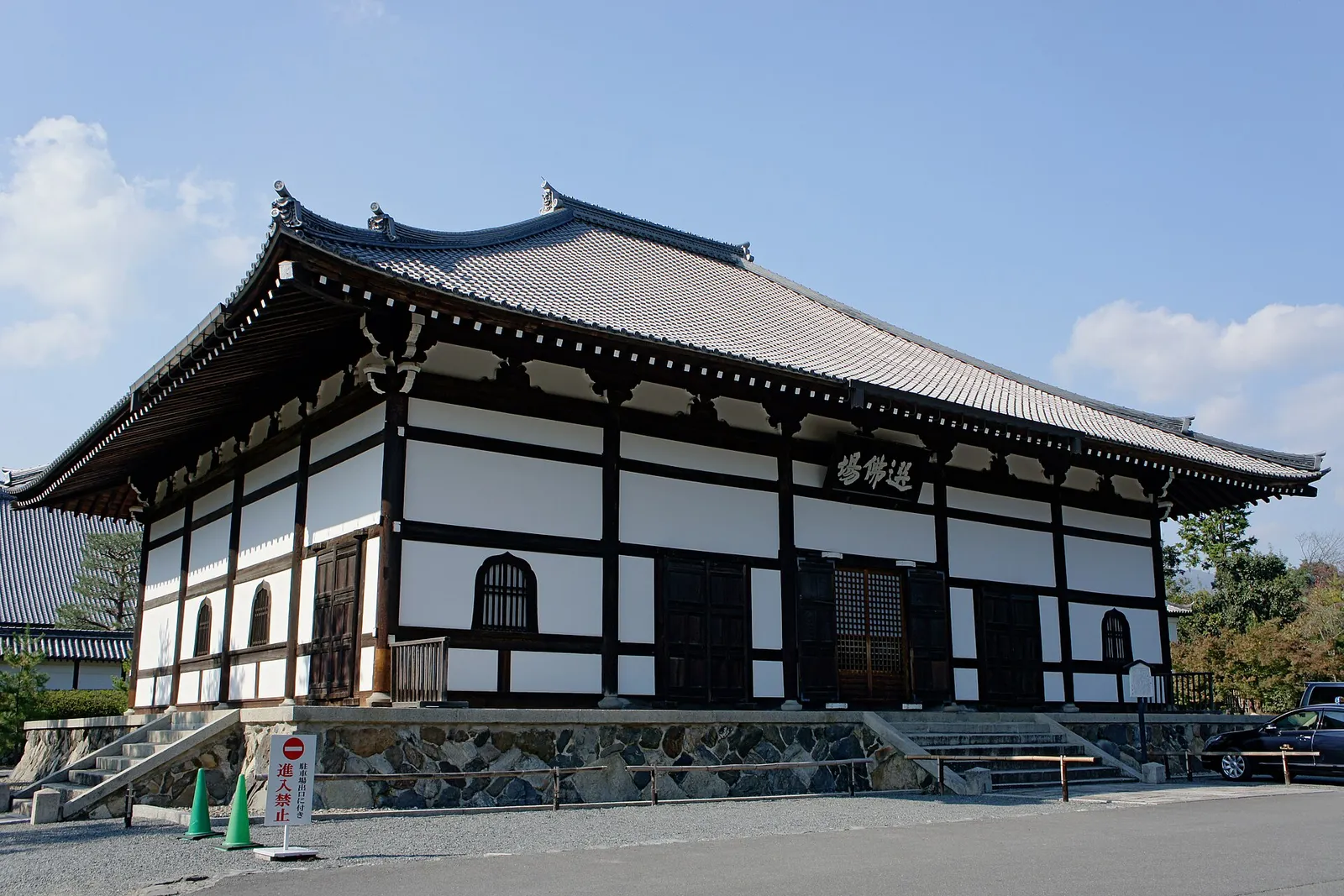
The painting can be seen only when the Dharma Hall is open, which is on Saturdays, Sundays, and holidays, and during specially designated periods in spring and autumn. If the painting is the main reason you are coming, check the temple's visit page for the current schedule before you plan the day.
Seasons and Time of Day
In 2026, the garden opens early from 7:30 am between November 14 and November 30, so you can walk the pond before the usual opening time.
Whatever the season, the last entry to the garden is at 4:50 pm, so arrive with enough time to walk the whole loop before the 5:00 pm close. Check the temple's visit page shortly before you go, because dates and hours can change.
Pairing Tenryu-ji With Other Stops
Tenryu-ji pairs naturally with the rest of Arashiyama. Our Arashiyama guide shows how the temple, the bamboo forest, and the river area fit into one walk.
If the pond garden is what you enjoy, our Zen gardens guide compares several of well-known temple gardens in Kyoto. For a wider view of how the major sights fit together by area, see our guide to places to visit in Kyoto.
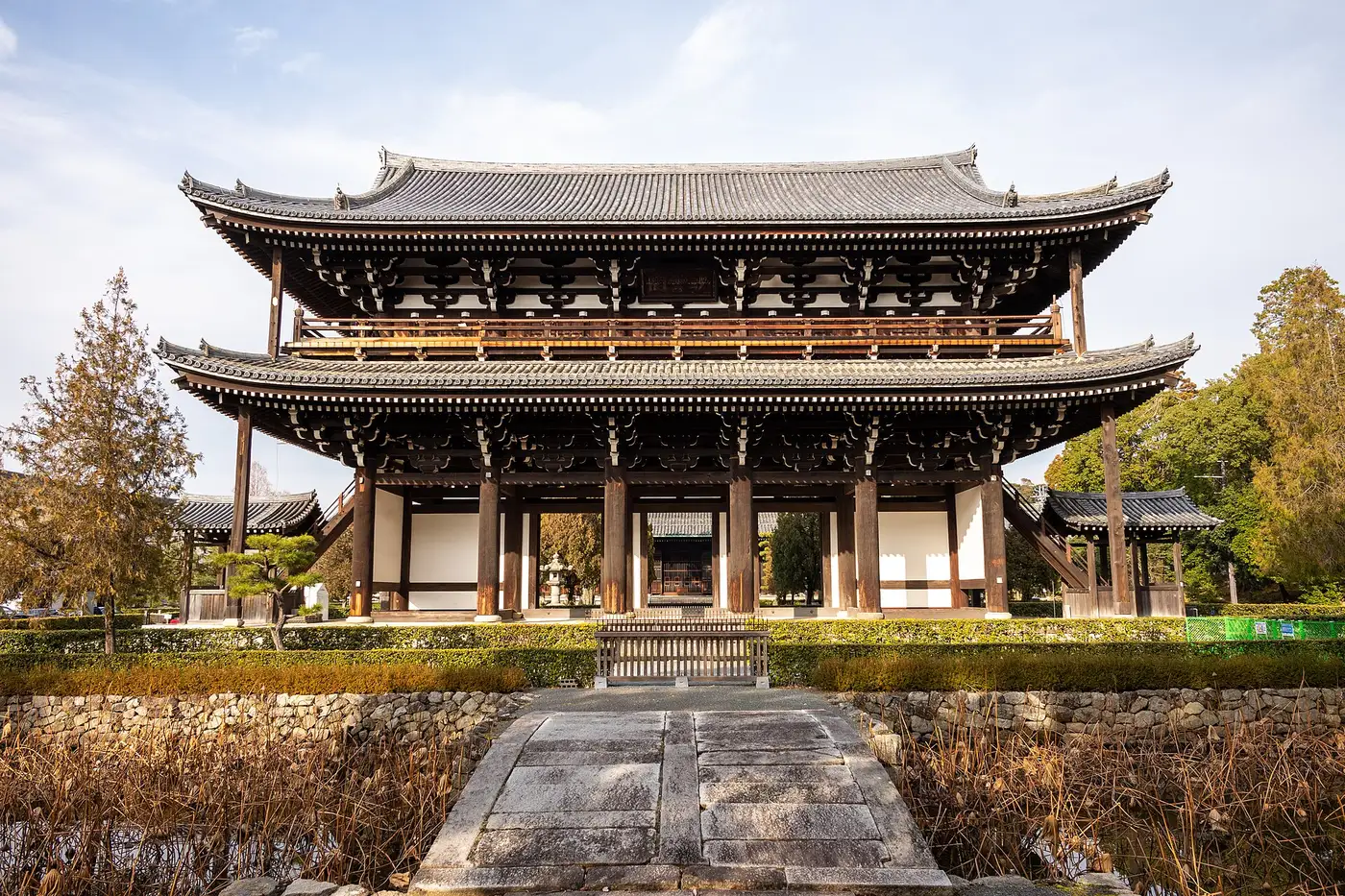
Many travelers give the west side of the city its own half day and keep the south for another. Tofuku-ji, a large Zen temple complex in the south, is covered in our Tofuku-ji temple guide.
Add a Quiet Temple Stop to Your Day
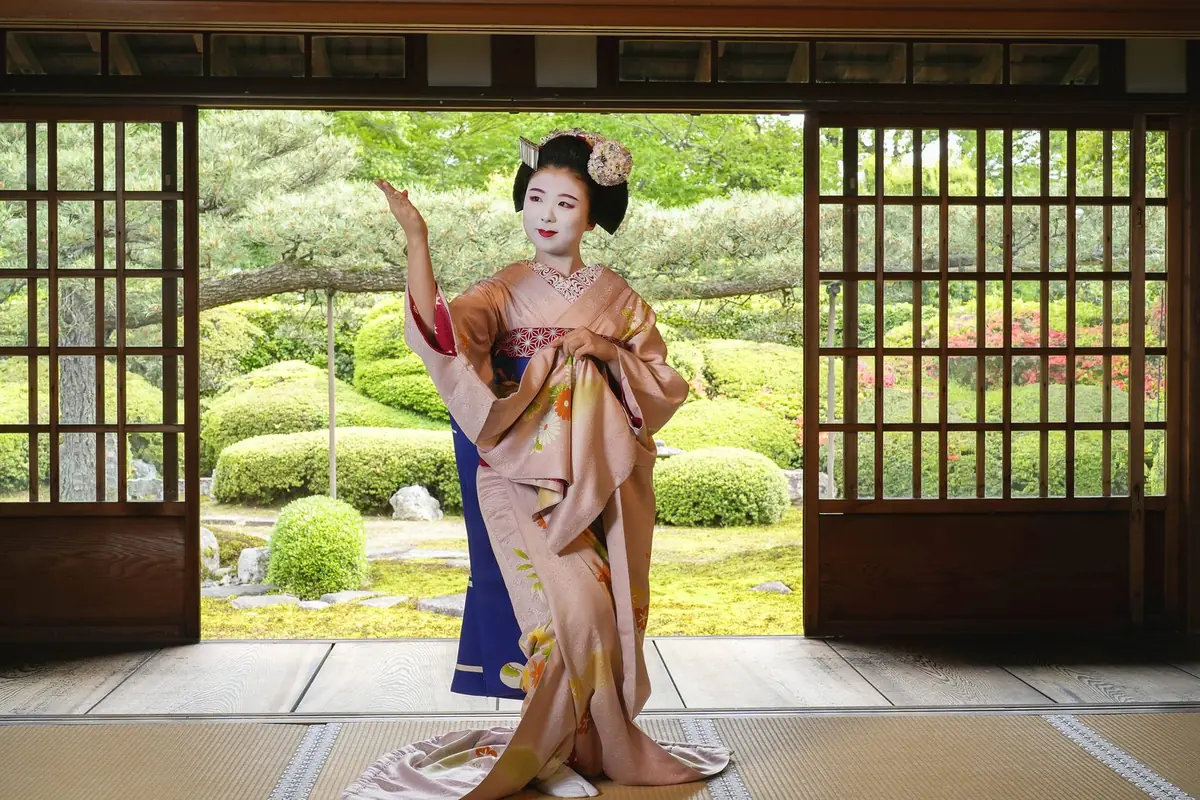
Add a quiet temple stop to your day. We operate Maiko & Zen Kyoto, a 90-minute session at Ikka-in, a sub-temple of Tofuku-ji, where a maiko dances in the same temple hall with no stage between you, then takes time for your questions and photos. See current session times and prices.
Frequently asked questions
How much does it cost to enter Tenryu-ji?
A garden ticket costs 500 yen for visitors from high school age up, and adding the main halls costs 300 yen more.
What are the garden hours at Tenryu-ji?
Garden hours run from 8:30 am to 5:00 pm, and the last person is admitted at 4:50 pm.
Which station is closest to Tenryu-ji?
Arashiyama Station on the Keifuku Arashiyama Line is the closest, at about 5 minutes on foot.
Can I walk from Tenryu-ji to the bamboo forest?
Yes. After you leave the north gate, you can walk through the famous Sagano bamboo forest.
Is the Cloud-Dragon Painting included in the garden ticket?
No. The painting has its own 500 yen fee, separate from the fee for the garden and buildings.
A maiko dance session at a Zen temple near Kyoto Station
Rake a Zen garden, watch two maiko dances and share green tea at Ikka-in, a temple rarely open to the public, one stop from Kyoto Station. Sessions start at 2:00 pm and 3:30 pm.
See the 2:00 pm and 3:30 pm sessions →Sources
- Tenryu-ji: Admission and Access — Tenryu-ji
- Tenryu-ji: What to See — Tenryu-ji
- Tenryu-ji — Tenryu-ji