Places to Visit in Kyoto: Temples and Sights by Area
We operate the Maiko & Zen Kyoto experience mentioned in this guide.
Kyoto's well-known sights are spread across the city, so the easiest way to choose is by area. The list below follows a map, not a ranking: it starts in the southeast, moves north, then to the center, and ends in the west. Hours and fees come from each site's official page. They can change, so confirm them before you go.
How to Use This List
Choose one area for each day and add only the places you will enjoy, rather than trying to see everything. Each entry below covers what you can see, how to reach it, and the official hours and fees where they are available.
Special viewing periods, such as autumn night openings, change every year. Treat the dates here as examples and check the official page for your trip.
Places to Visit in Southeast Kyoto
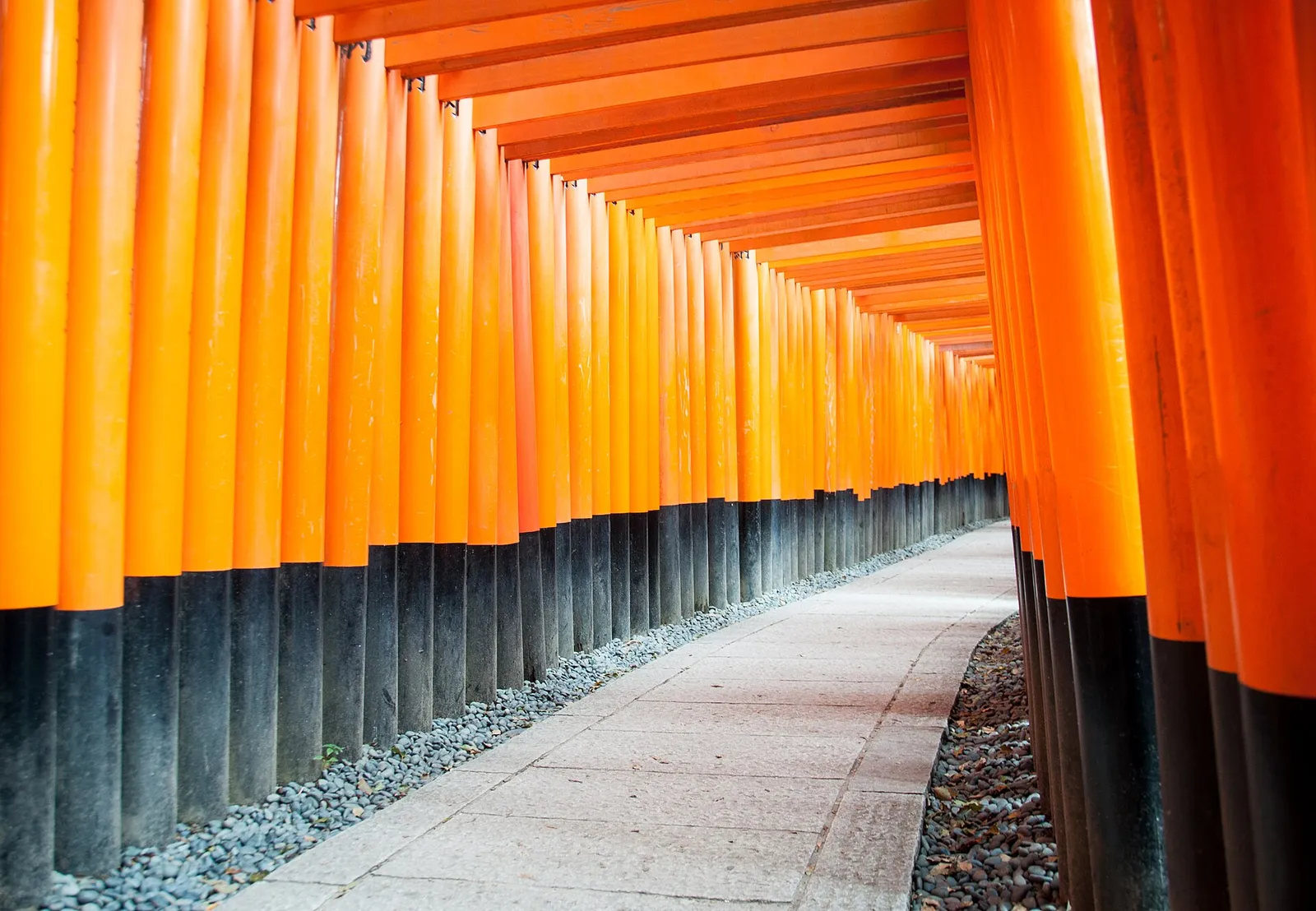
Fushimi Inari Taisha
Fushimi Inari Taisha is known for its long paths of vermilion torii gates that climb the mountain behind the shrine. You can walk as far up as you like and turn back whenever you want.
Getting there: JR Nara Line from Kyoto Station to JR Inari Station (2 stations, 5 minutes); the shrine is right beside the station. On the Keihan Main Line, get off at Fushimi-Inari Station and walk 5 minutes east.
Tofuku-ji
Tofuku-ji is a Zen temple with gardens and a covered bridge over a ravine. Inari is the next station after Tofukuji, so the two sights pair easily.
Hours: 9:00 am to 4:30 pm from April 1 to November 13, with the last tickets sold at 4:00 pm; different hours in autumn and winter. Hojo gardens: 500 yen for adults, then 600 yen from November 1, 2026. Getting there: about 3 minutes on the JR Nara Line from Kyoto Station to Tofukuji Station, then about 10 minutes on foot; or Kyoto City Bus 88 or 208 from Kyoto Station (about 15 minutes), then about 4 minutes on foot.
Sanjusangendo
Sanjusangendo is a long wooden hall known for its rows of statues.
Hours: every day of the year; 8:30 am to 5:00 pm (April 1 to November 15) or 9:00 am to 4:00 pm (November 16 to March 31), with entry until 30 minutes before closing. Admission: 600 yen for adults.
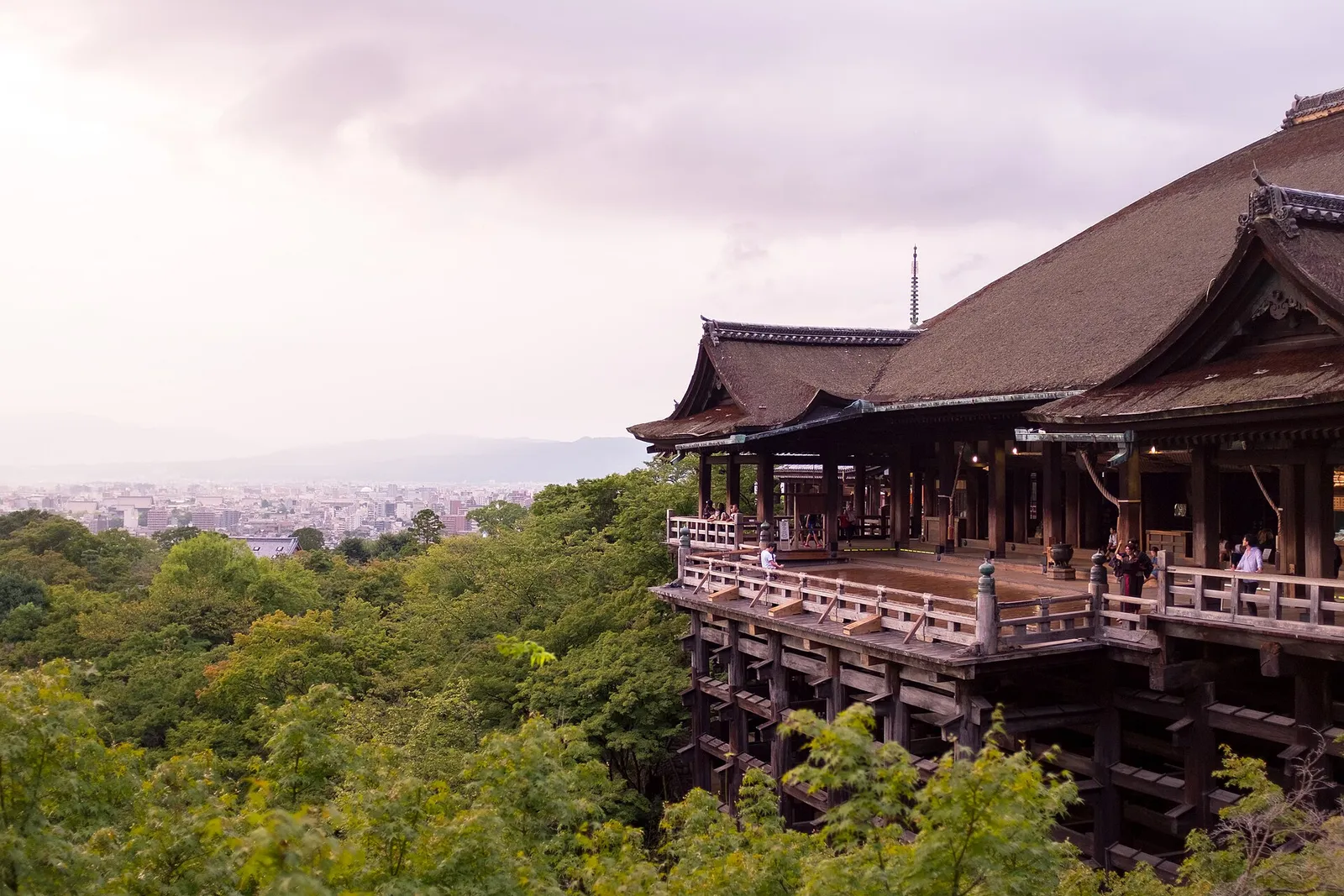
Kiyomizu-dera
Kiyomizu-dera is built around a large wooden stage that looks out over the city.
Hours: usually 6:00 am to 6:00 pm, and to 6:30 pm in July and August. Special night viewings run until 9:30 pm; the autumn 2026 one is listed for November 21 to 30, and the dates change every year. Getting there: Kyoto City Bus 206 or 100 from Kyoto Station to Gojozaka, then about 10 minutes on foot.
Places to Visit in North and Central Kyoto
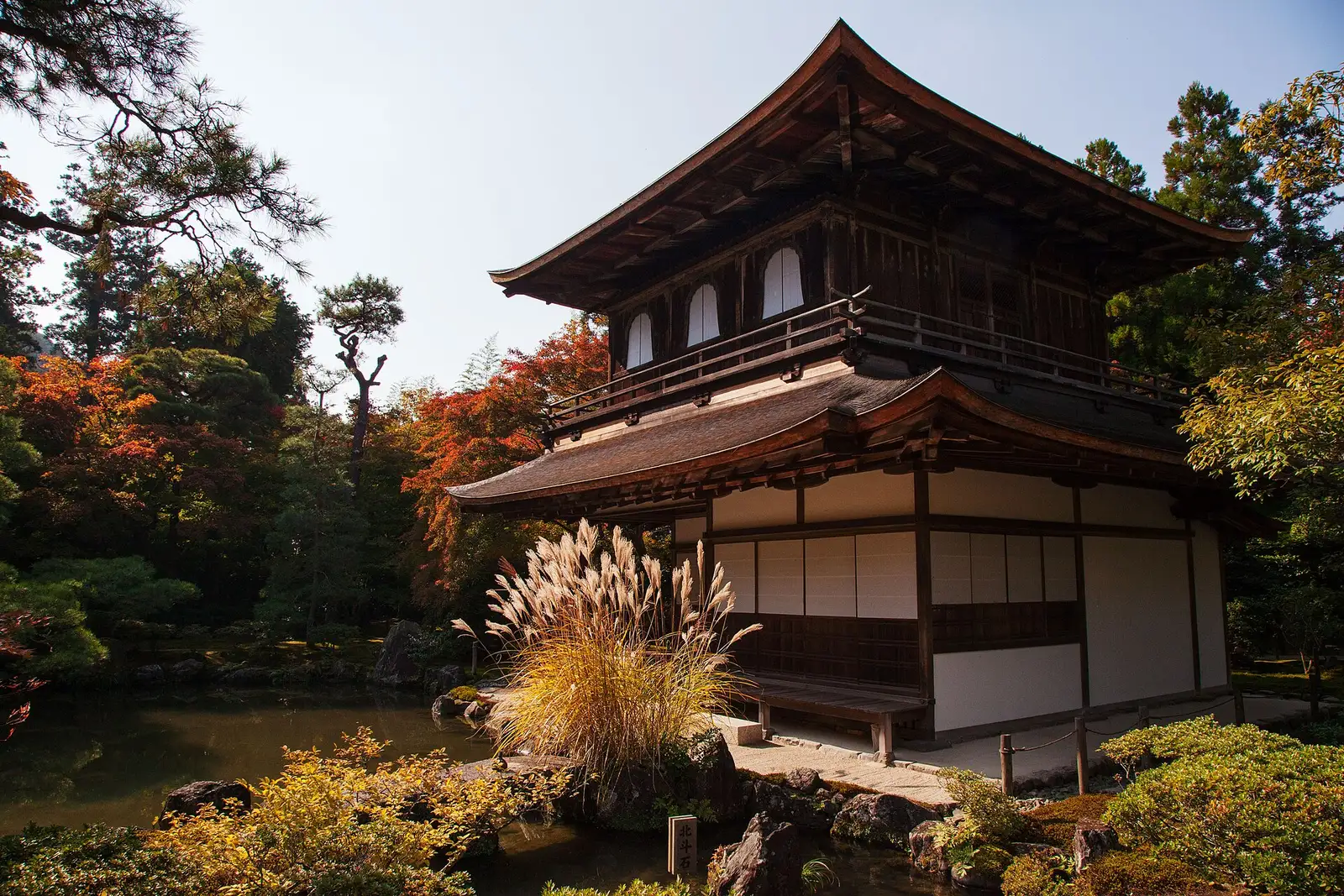
Ginkaku-ji
Ginkaku-ji is a temple with a quiet garden at the foot of the eastern hills.
Hours: 8:30 am to 5:00 pm (March 1 to November 30) or 9:00 am to 4:30 pm (December 1 to the end of February). Admission: 1,000 yen for adults.
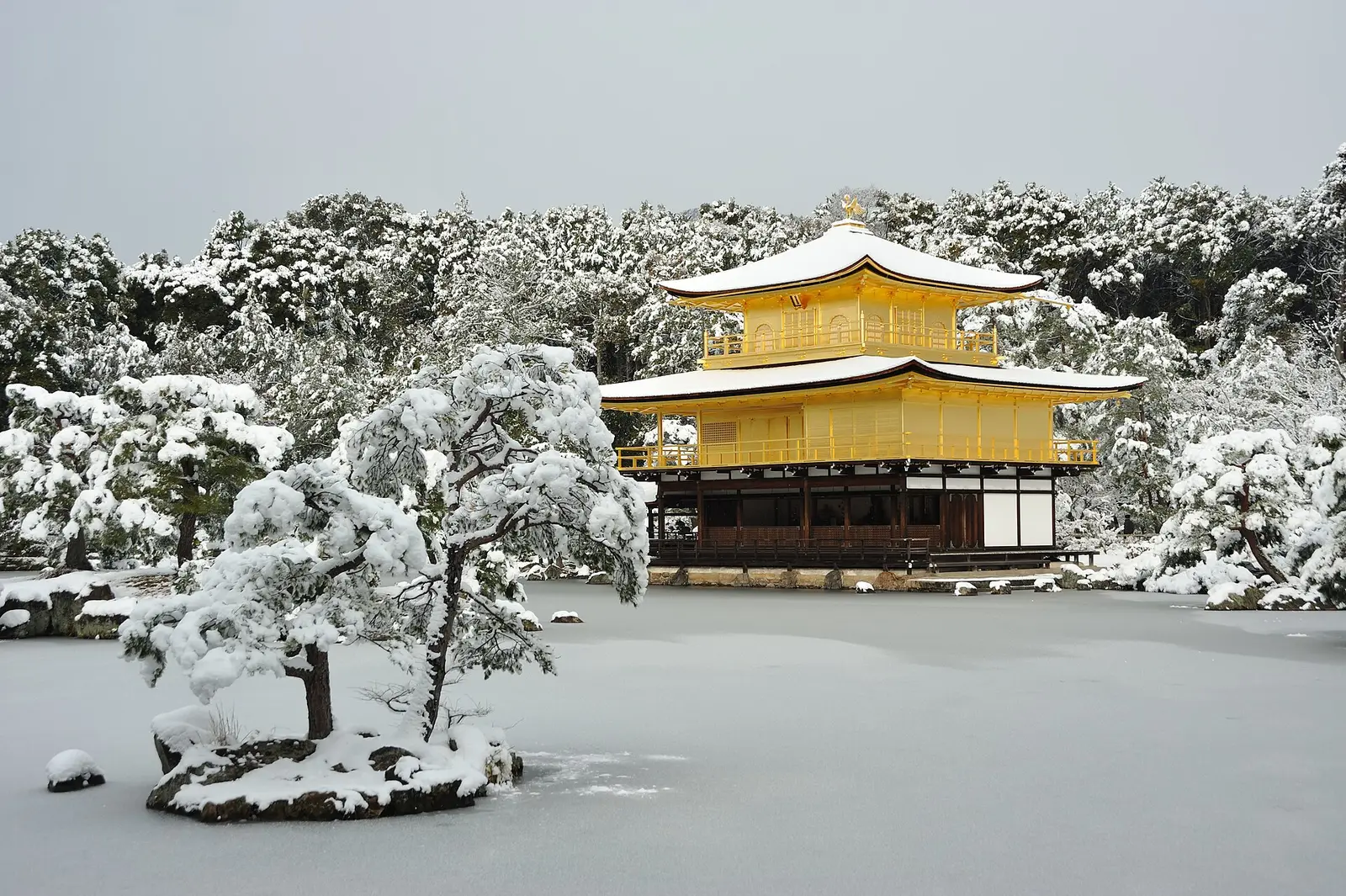
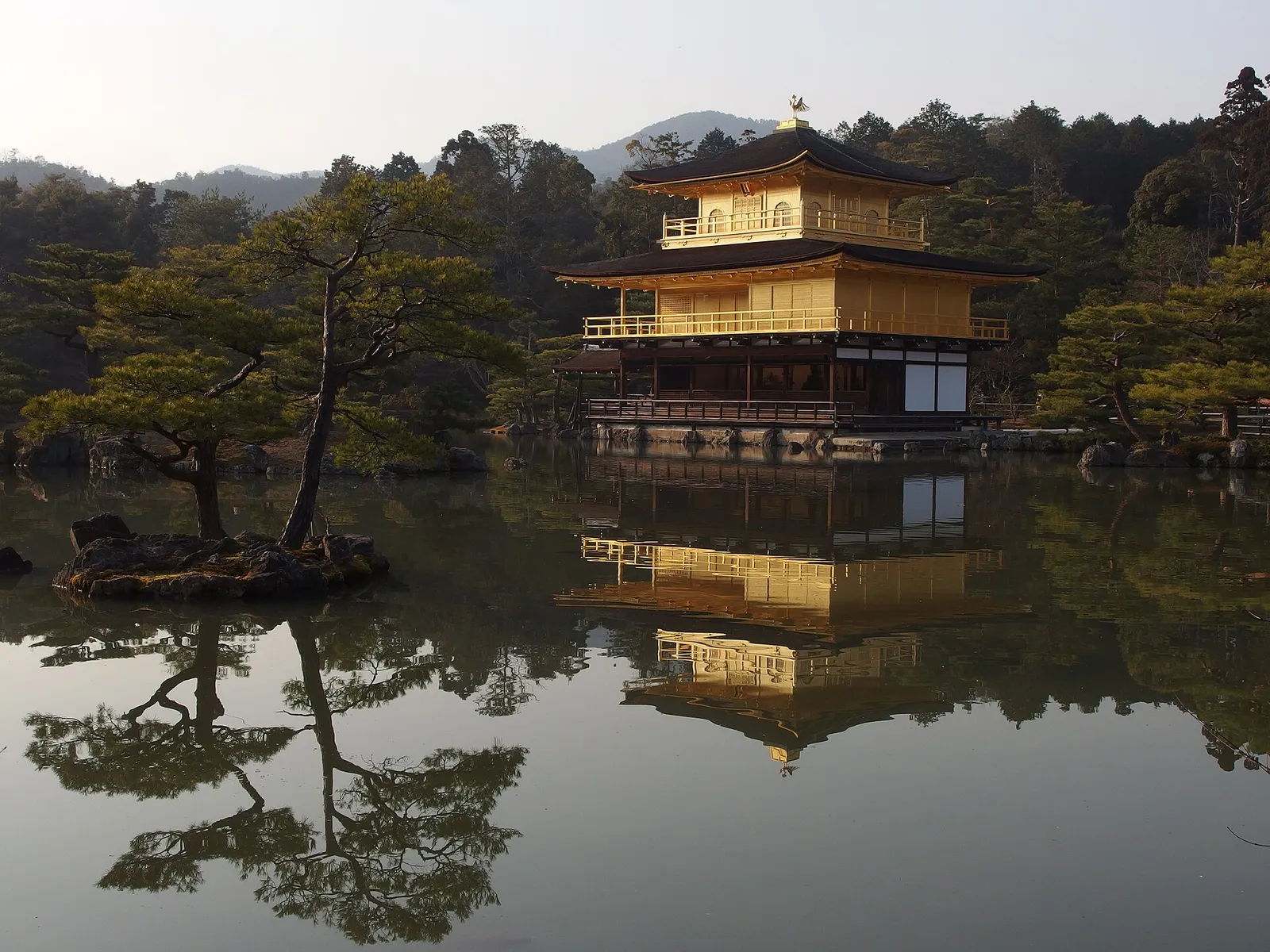
Kinkaku-ji
Kinkaku-ji is the Golden Pavilion, which stands beside a mirror-like pond.
Hours: every day, 9:00 am to 5:00 pm. Admission: 500 yen for adults. Getting there: Kyoto City Bus to the Kinkakuji-michi stop.
Ryoan-ji
Ryoan-ji is known for its dry rock garden of raked gravel and stones.
Hours: 8:00 am to 5:00 pm (March 1 to November 30) or 8:30 am to 4:30 pm (December 1 to the end of February). Admission: 600 yen for adults.
Nijo-jo Castle
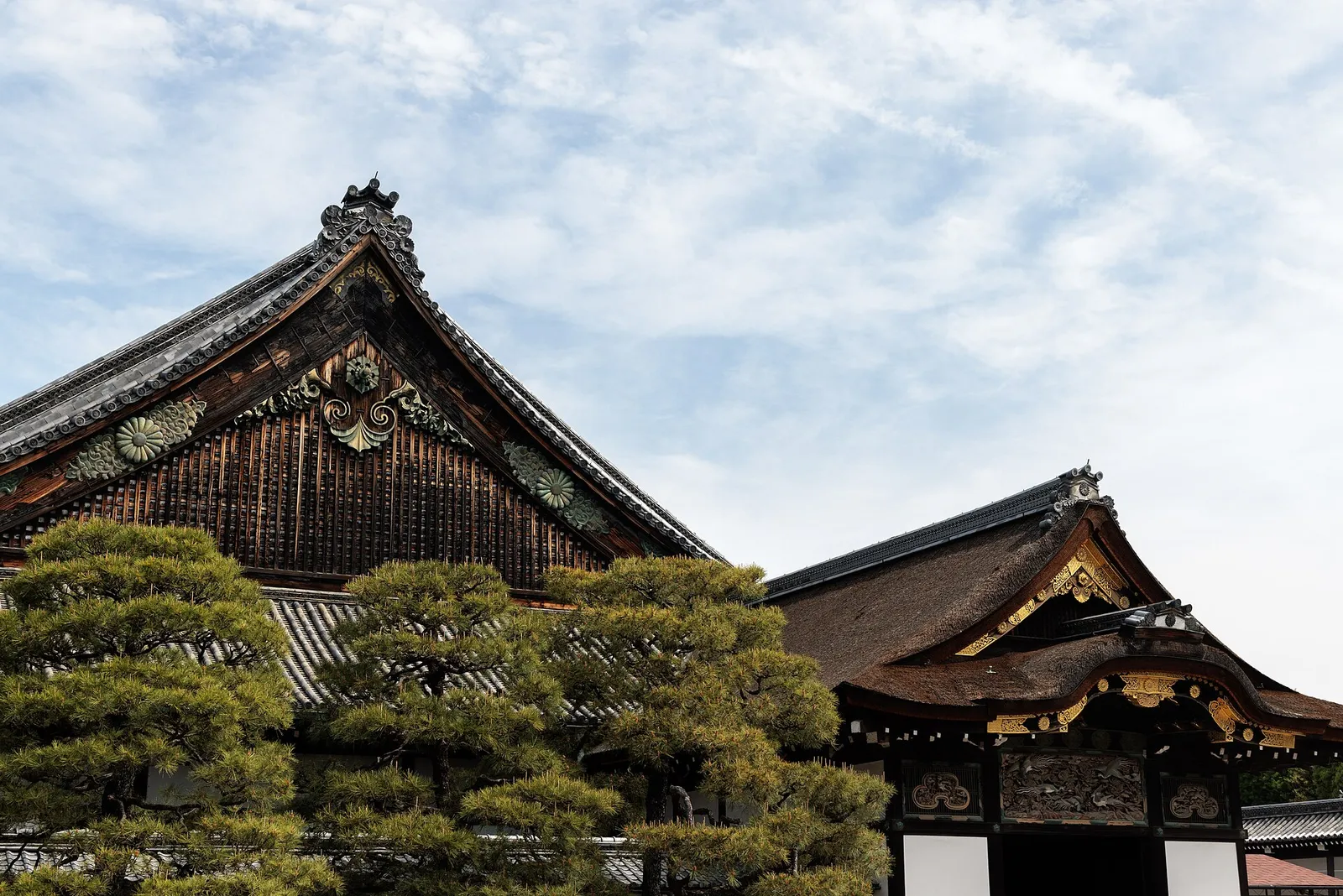
Nijo-jo Castle is a castle of the Edo period in the middle of the city, with a palace you can walk through.
Hours: 8:45 am to 5:00 pm, with entry until 4:00 pm; closed December 29 to 31. Admission: 800 yen for adults, or 1,300 yen including the Ninomaru Palace.
Places to Visit in Western Kyoto
Arashiyama and Tenryu-ji
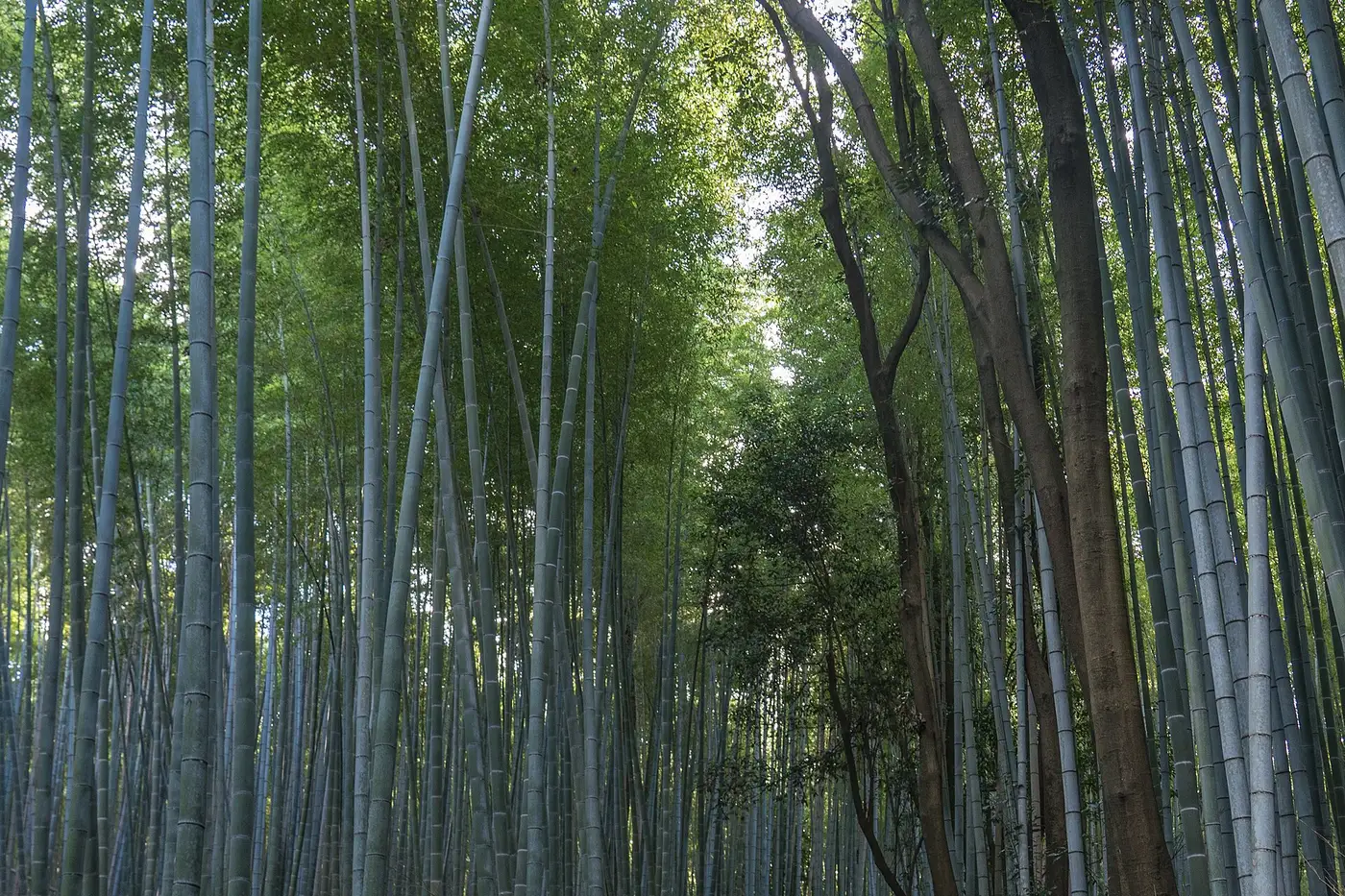
Arashiyama is a district on the western edge of the city, known for its bamboo forest and for the garden of Tenryu-ji.
Tenryu-ji garden hours: 8:30 am to 5:00 pm, with last entry at 4:50 pm. Admission: 500 yen for adults for the garden, plus 300 yen for the main halls.
Fitting the Places Into Your Days
A workable pattern is one area for each day. The southeast suits a day that mixes a shrine, a Zen temple, and a hall of statues. The north suits a day of gardens, and Nijo-jo Castle can be added on the way back to the center. Arashiyama is far enough from the others to deserve its own day or half day.
A Quiet Stop in the South
If your day is in the southeast, leave room for a quiet stop in the afternoon, such as a maiko or tea experience. To compare formats before you decide, see our guide to maiko experiences in Kyoto and our guide to tea ceremony in Kyoto.
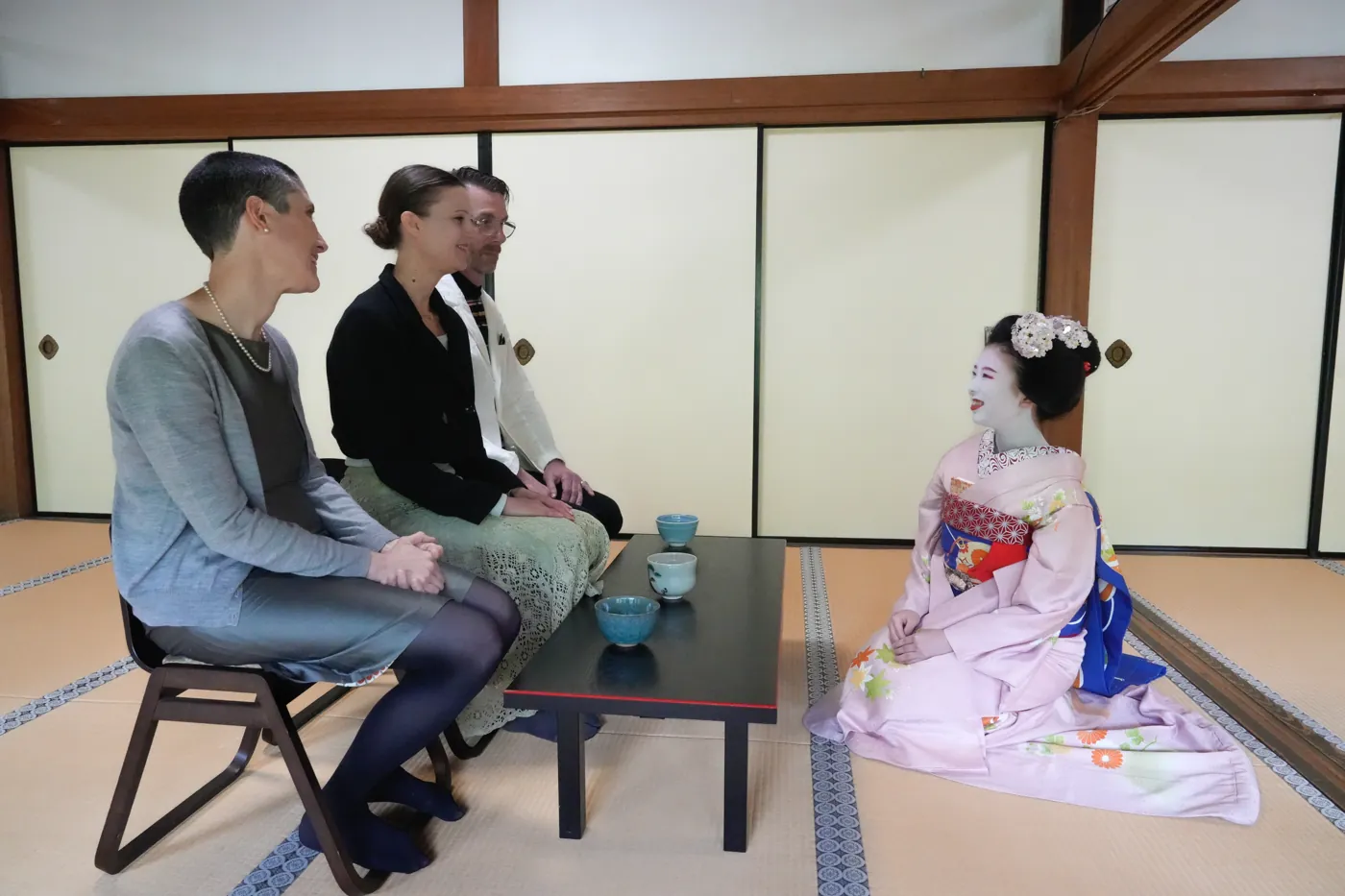
Add a quiet temple stop to your day. We operate Maiko & Zen Kyoto, a 90-minute session at Ikka-in, a sub-temple of Tofuku-ji, where a maiko dances in the same temple hall with no stage between you, then takes time for your questions and photos. See current session times and prices.
Getting Around Between the Areas
Tofuku-ji and Fushimi Inari sit one stop apart on the JR Nara Line, so they are the easiest pair to join in one outing. Kiyomizu-dera is reached by bus instead, on Kyoto City Bus 206 or 100 to Gojozaka.
On buses inside the city's flat-fare zone, adults pay 230 yen a ride. Day passes are also sold, and our Kyoto itinerary guide lists their prices and how to tell whether one is worth it for your plan.
Wear shoes you can walk in for several hours, and carry some cash for entrance fees.
Frequently asked questions
Which places should a first-time visitor choose?
Pick one area per day rather than one sight from each corner of the city. The list below groups the sights by area so that each day stays in one part of Kyoto.
Which places start the day early?
Hours vary by site. Kiyomizu-dera usually opens at 6:00 am, Nijo-jo Castle opens at 8:45 am, and Kinkaku-ji opens at 9:00 am, so check each official page for your dates.
Do I need cash for entrance fees?
Adult fees on this list include 500 yen at Kinkaku-ji and 1,000 yen at Ginkaku-ji, so carry some cash and confirm the current fee on each official page.
How do I get between the areas?
Trains and Kyoto City Buses cover most of the places on this list. Inside the flat-fare zone, an adult pays 230 yen for each city bus ride. Day passes are also sold; our Kyoto itinerary guide compares them.
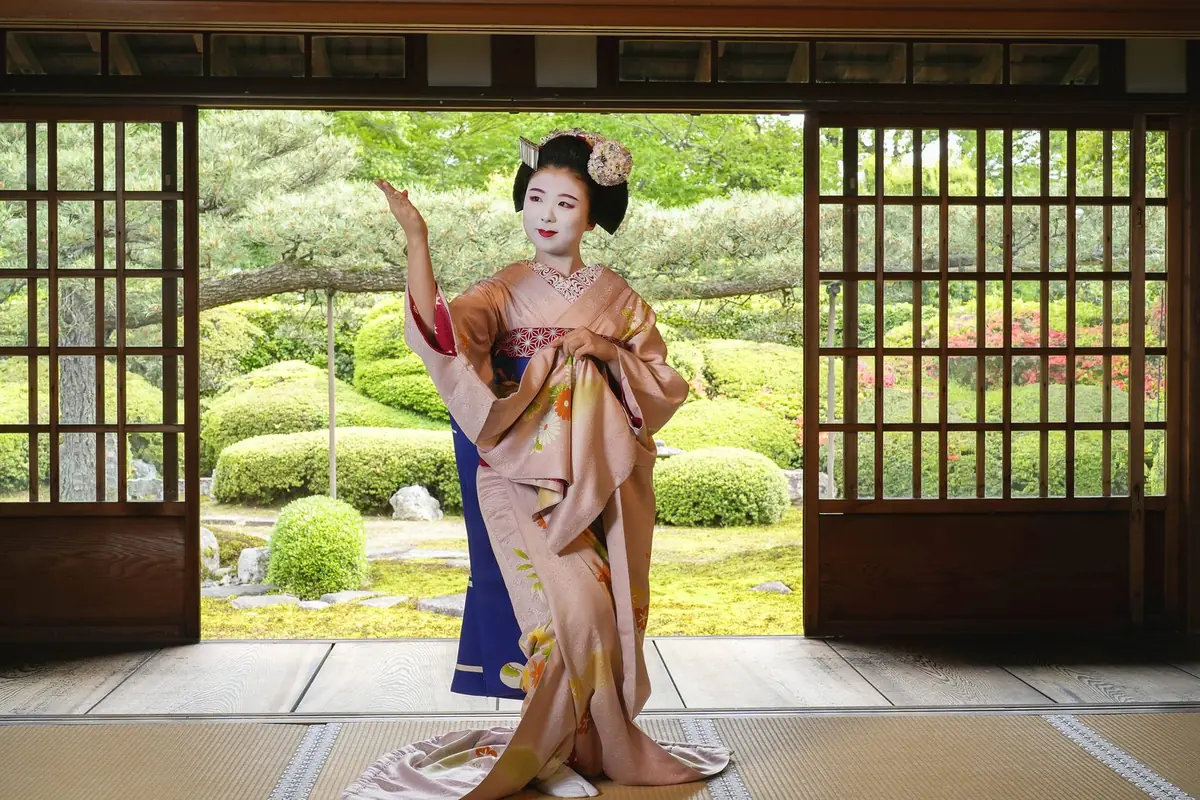
A maiko dance session at a Zen temple near Kyoto Station
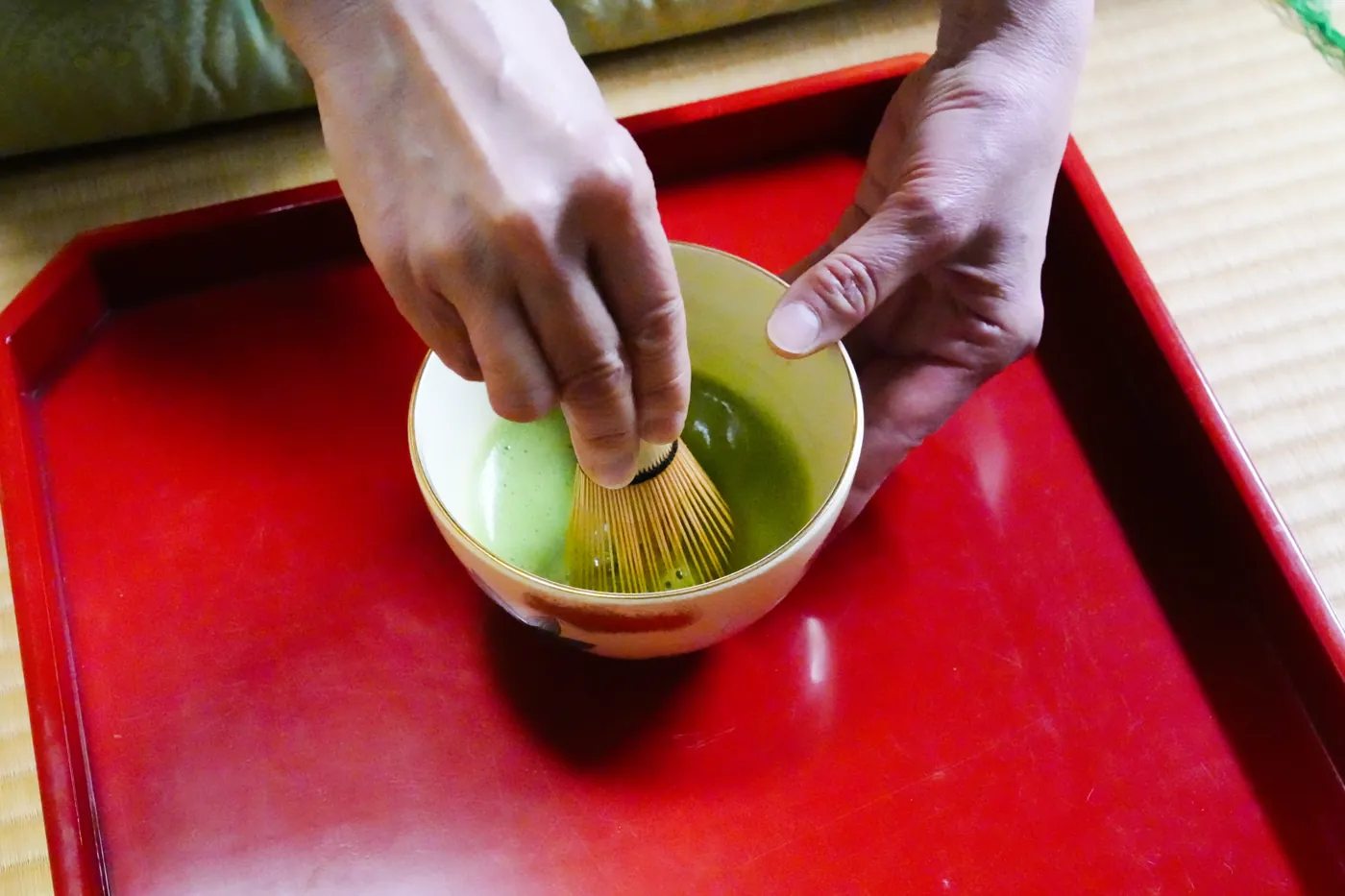
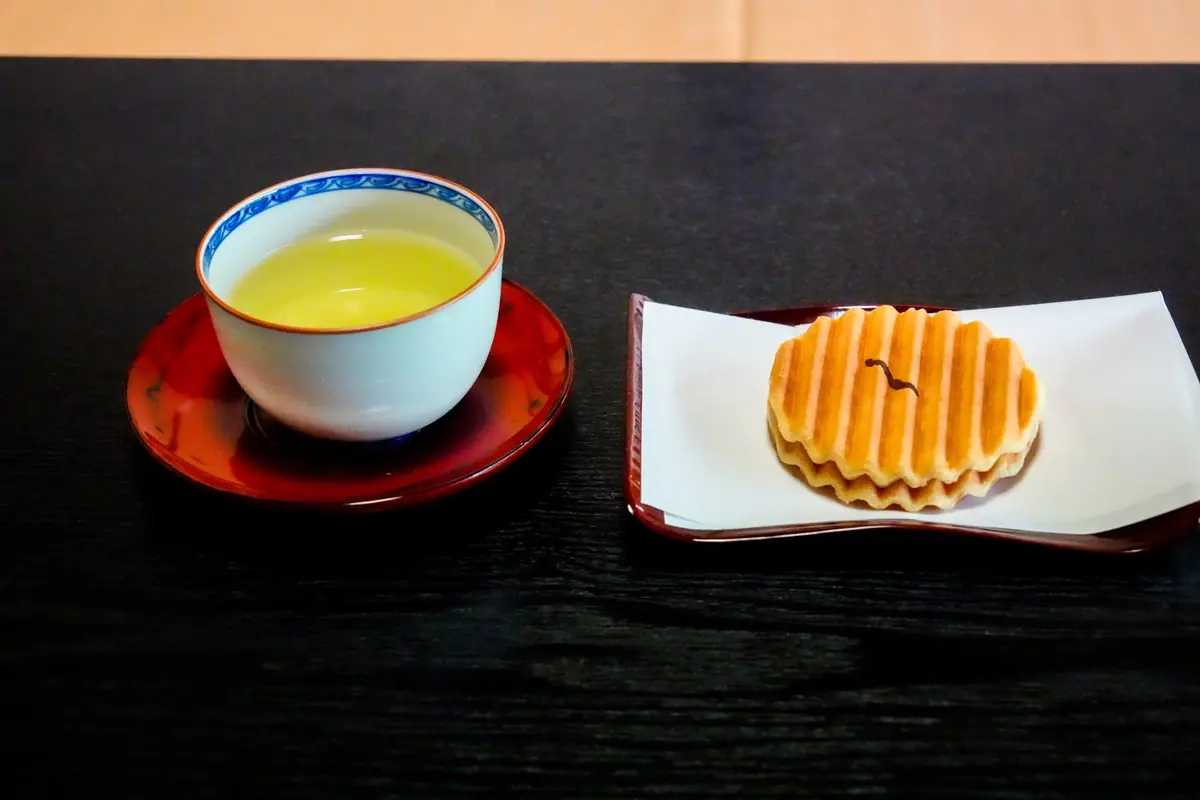
Rake a Zen garden, watch two maiko dances and share green tea at Ikka-in, a temple rarely open to the public, one stop from Kyoto Station. Sessions start at 2:00 pm and 3:30 pm.
See the 2:00 pm and 3:30 pm sessions →Sources
- Fushimi Inari Taisha: access — Fushimi Inari Taisha
- Tofuku-ji: visitor guide — Tofuku-ji
- Tofuku-ji: access — Tofuku-ji
- Sanjusangendo: visiting — Sanjusangendo
- Kiyomizu-dera: open hours — Kiyomizu-dera
- Kiyomizu-dera: access and special viewing — Kiyomizu-dera
- Ginkaku-ji: access and hours — Shokoku-ji
- Kinkaku-ji: access and hours — Shokoku-ji
- Ryoan-ji: visitor FAQ — Ryoan-ji
- Nijo-jo Castle: admission — City of Kyoto
- Tenryu-ji: visiting — Tenryu-ji
- Kyoto City Bus fares — City of Kyoto Transportation Bureau