Maiko Tea Ceremony in Kyoto: What Each Experience Includes
We operate the Maiko & Zen Kyoto experience mentioned in this guide.
Tea and maiko appear together in several ways in Kyoto, and listings do not always make the difference clear. Some dance tickets include tea enjoyed in the presence of geiko and maiko, while other experiences simply serve tea and a sweet while a maiko dances. Here is what each format includes, so you know what to expect before you book.
Tea with Maiko: The Main Formats
Tea While Watching a Stage Show
| Format | How you see the maiko | When | Price (as of Oct 2026) |
|---|---|---|---|
| Tea seat at Miyako Odori | From a theater seat, with tea and the full stage show | April | First-class seat with tea 8,000 yen (2027 season) |
| Tea at Kyo Odori | From a theater seat; a tea ceremony comes with every ticket (2026) | April | 6,000–7,000 yen (2026) |
| Tea seat at Gion Corner | From a theater seat, as part of a program of seven arts | Most evenings | 6,050 yen |
Tea With a Maiko Up Close
| Format | Time with the maiko | What is included | Length | Price (as of Oct 2026) |
|---|---|---|---|---|
| Tea and dance at a venue | A dance while tea is served, often for a medium or large group; sometimes a short Q&A | Tea and a sweet, and a dance | Varies by venue | Roughly 7,000–22,000 yen for group formats |
| Maiko & Zen Kyoto (our session) | Two dances at close range with no stage between you, then relaxed time to talk with the maiko and take photos | English-speaking guide, raking the Zen garden, sencha and a sweet, in a Zen temple rarely open to the public | 90 minutes | 23,000 yen, everything included |
For a full evening, a banquet (ozashiki) with a maiko over dinner usually lasts 2–3 hours and can cost roughly 38,000–80,000 yen per person, depending on the number of guests and the season (as of October 2026). For a formal tea ceremony, where a host prepares matcha following a tea school's procedures, see our tea ceremony guide.
Compare the Tea Formats
| Format | What kind of tea | When the tea is served | Time to talk with a maiko | Setting |
|---|---|---|---|---|
| Spring dance tea seat | A bowl of tea and a sweet | Before the show | No | The district's theater |
| Gion Corner tea seat | Tea as part of the program | During the show | No | Small theater |
| Tea and dance at a venue | Tea and a sweet | During the dance | Often a short Q&A | Teahouse or event room |
| Maiko & Zen Kyoto (ours) | Fragrant sencha and a sweet | During the dances | Relaxed conversation time with the maiko at the end | A Zen temple rarely open to the public, founded in 1382 |
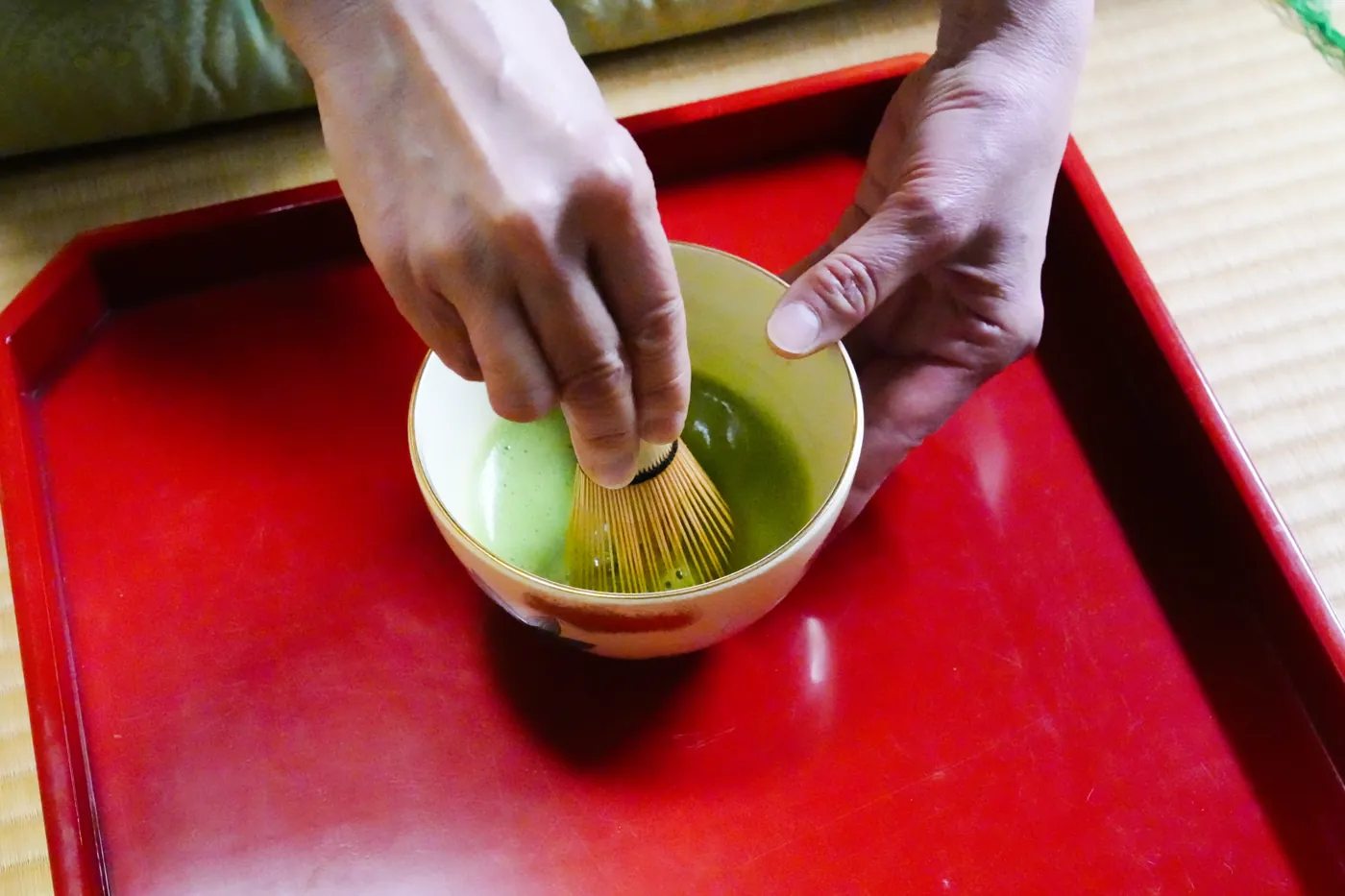
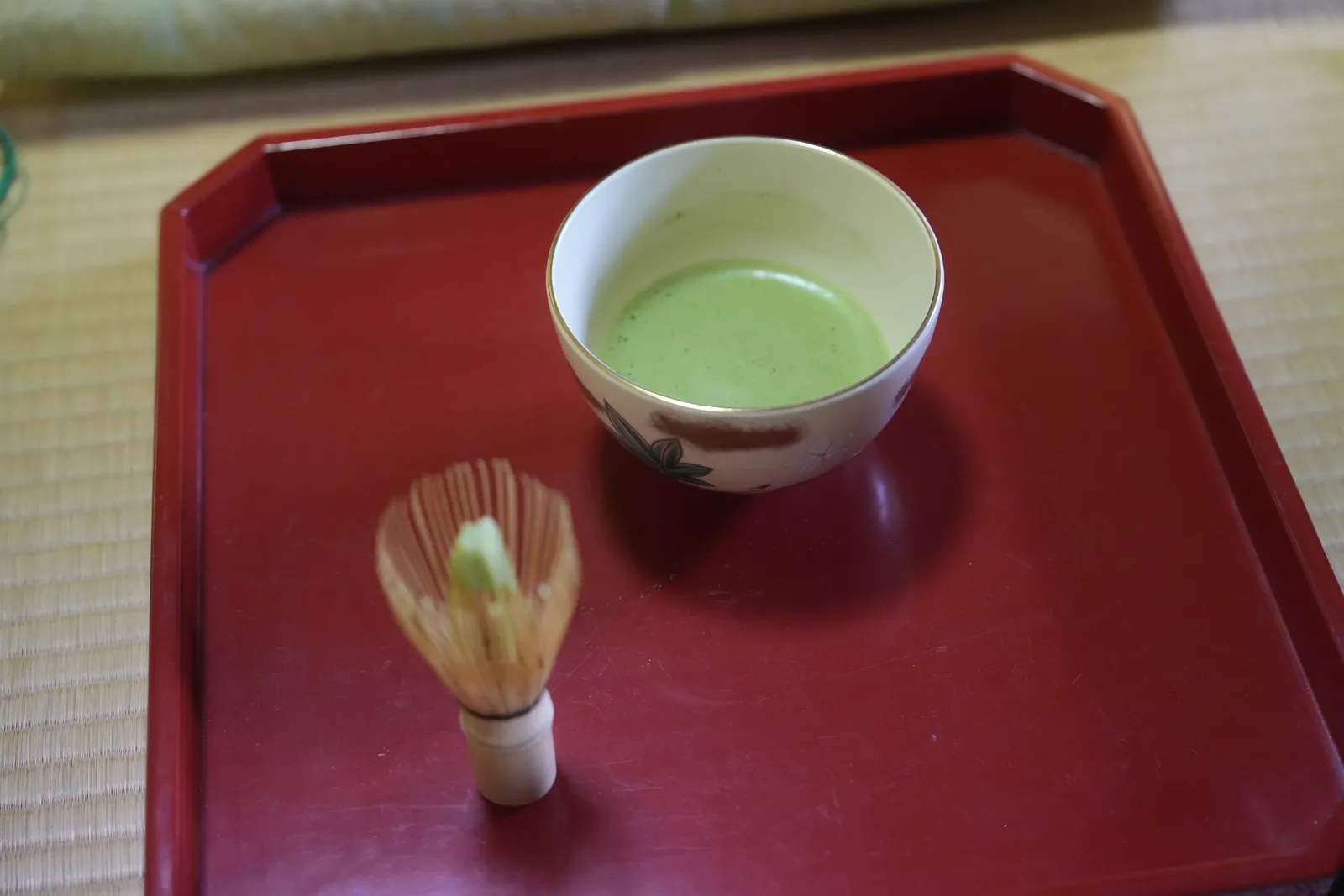
Before you book, check whether a listing promises a "tea ceremony" (a formal procedure, usually with matcha) or simply "tea."
Tea at the Spring Dances
The spring dances offer a traditional way to enjoy tea with geiko and maiko.
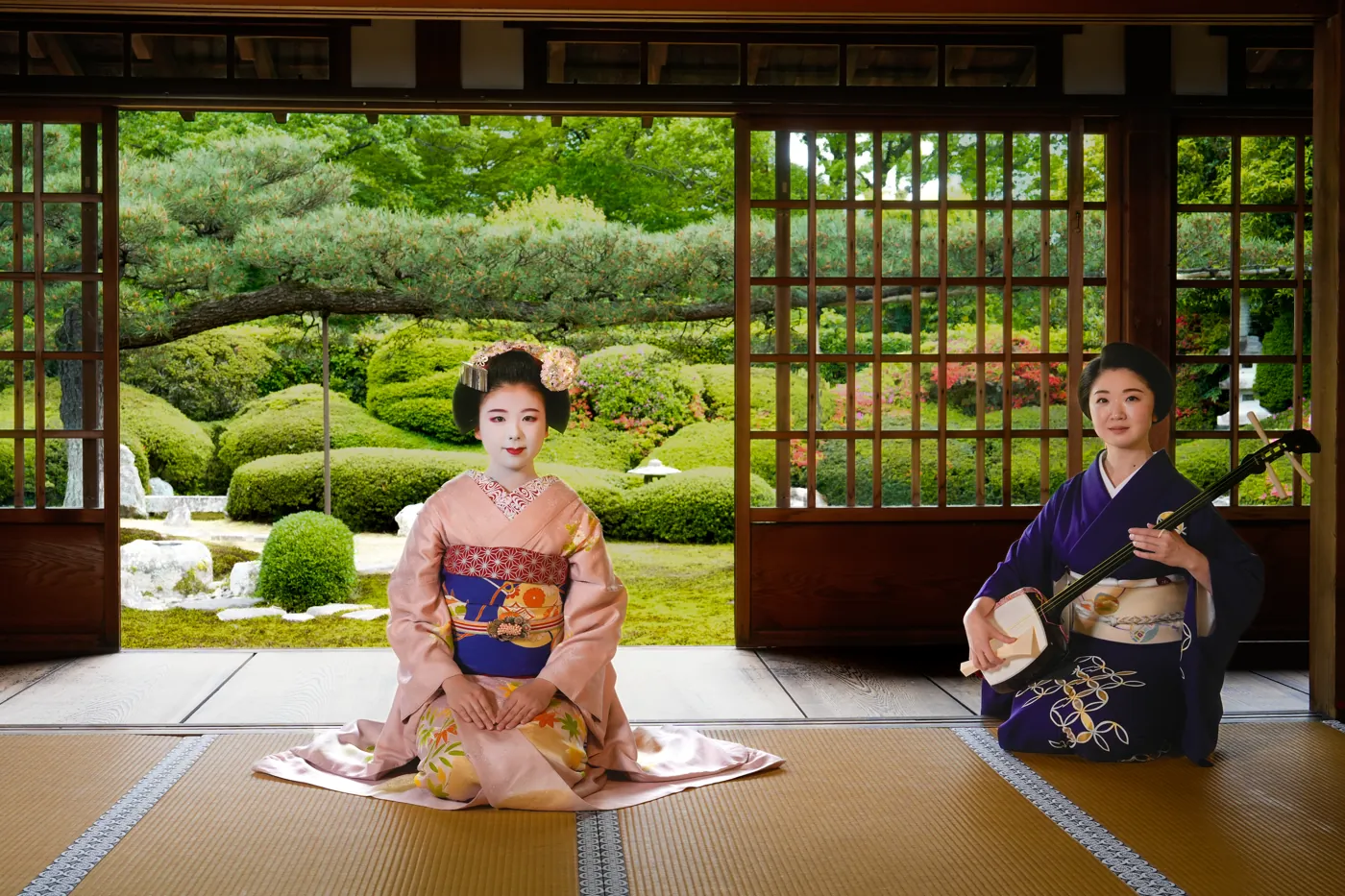
- Miyako Odori (Gion Kobu, April 1–30, 2027): tickets with tea let guests "savor a bowl of tea while observing the graceful movements of the geiko and maiko." A first-class seat with tea costs 8,000 yen in 2027.
- Kyo Odori (Miyagawacho, April; check the 2027 dates): in 2026, every ticket included a tea ceremony, held from 11:30 am to 12:50 pm and from 2:30 pm to 3:50 pm before the afternoon shows.
See our Kyoto geisha dance calendar for dates and ticket sale days.
Tea at Gion Corner
Gion Corner, in Gion Kobu, holds a roughly one-hour program of seven arts most evenings, including tea ceremony and kyomai, the Kyoto-style dance performed by maiko. A seat that includes tea costs 6,050 yen, compared with 5,500 yen for a general adult seat (as of October 2026).
Tea and Dance at a Venue
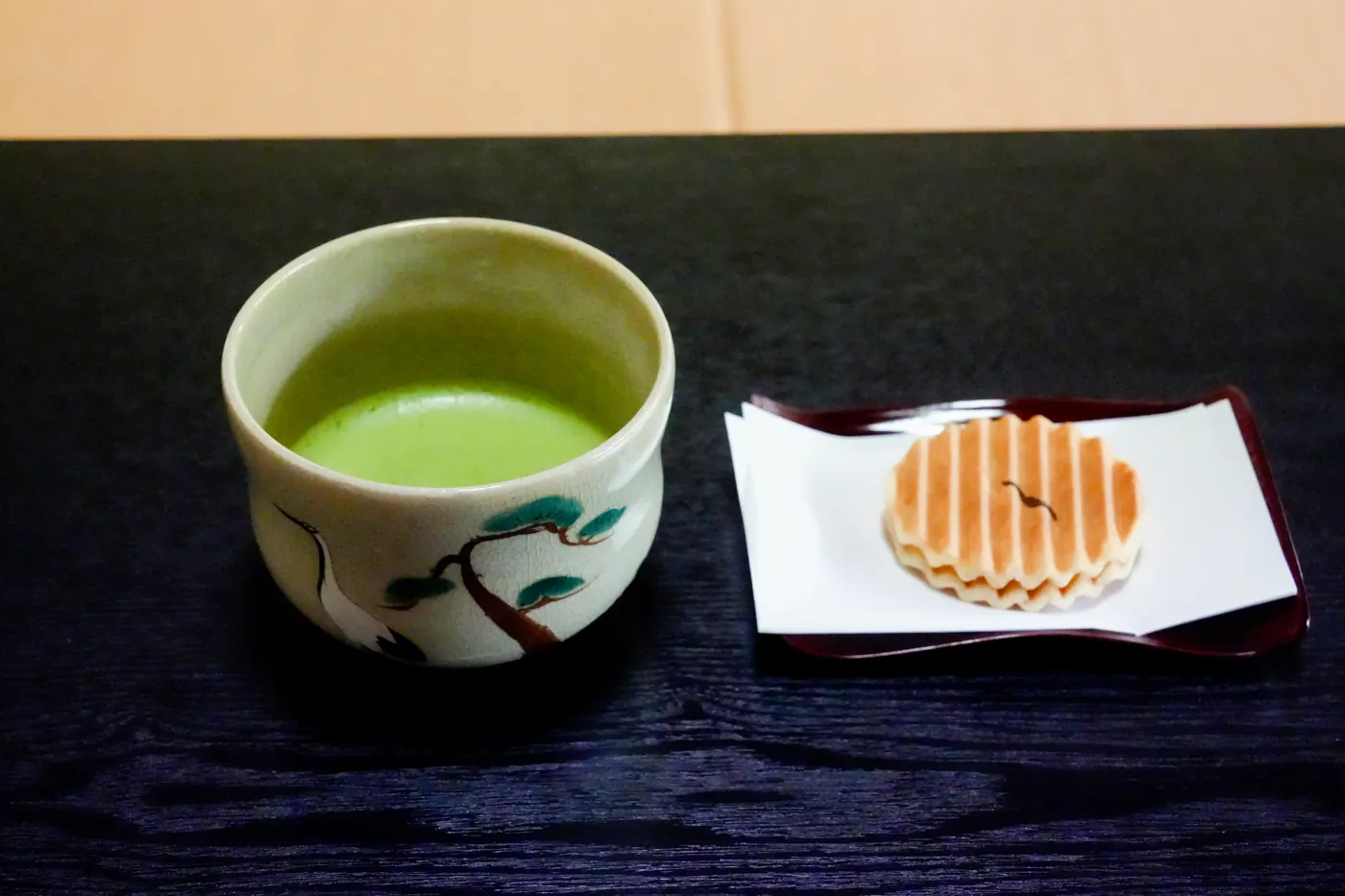
Several operators offer sessions where a maiko dances for an audience, often a medium or large group, and tea is served. These are less formal than a tea ceremony, and the appeal is seeing the dance at close range and having time to talk with the maiko. Compare formats in our guide to maiko experiences in Kyoto.
Our Session at Ikka-in
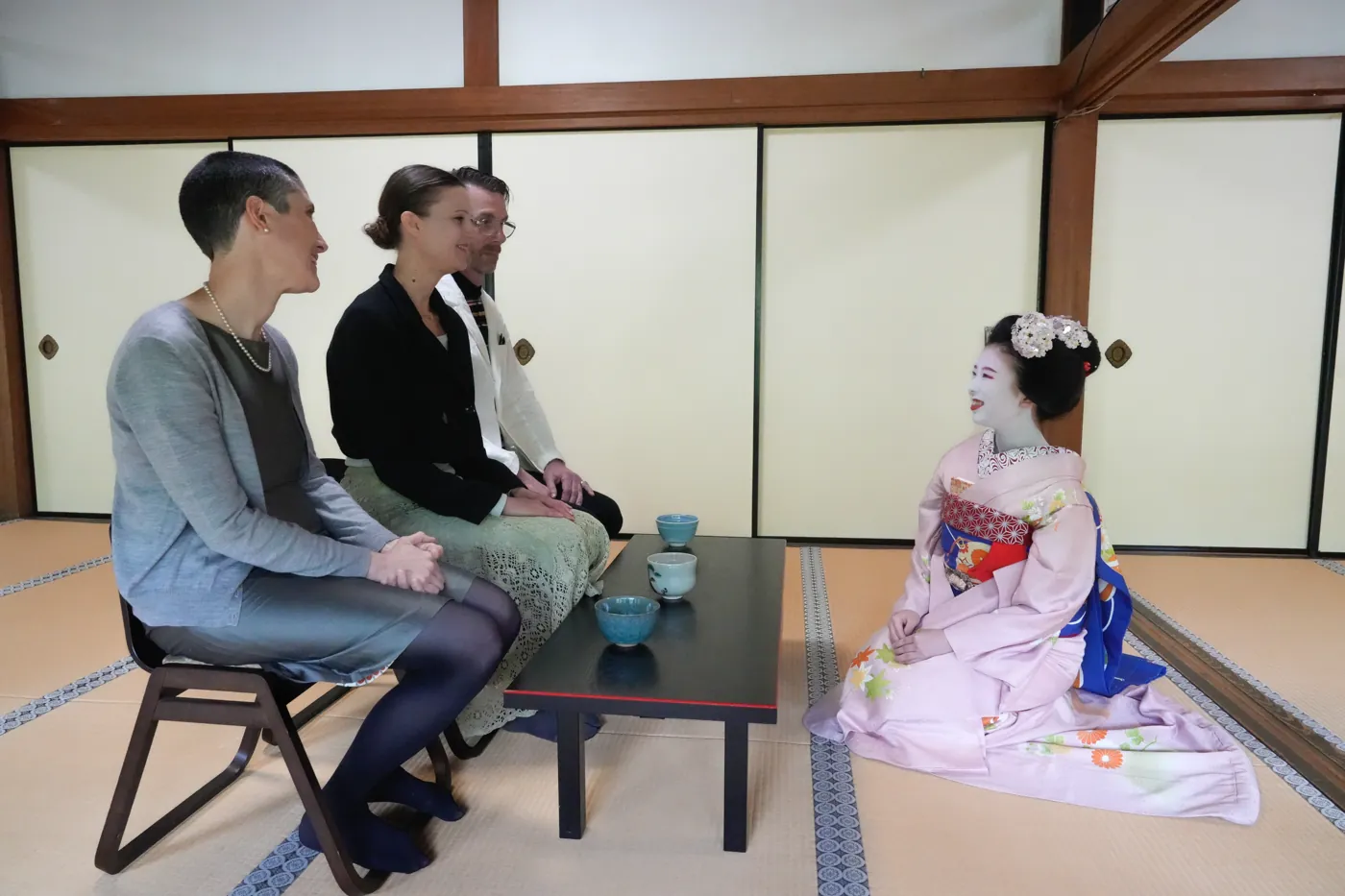
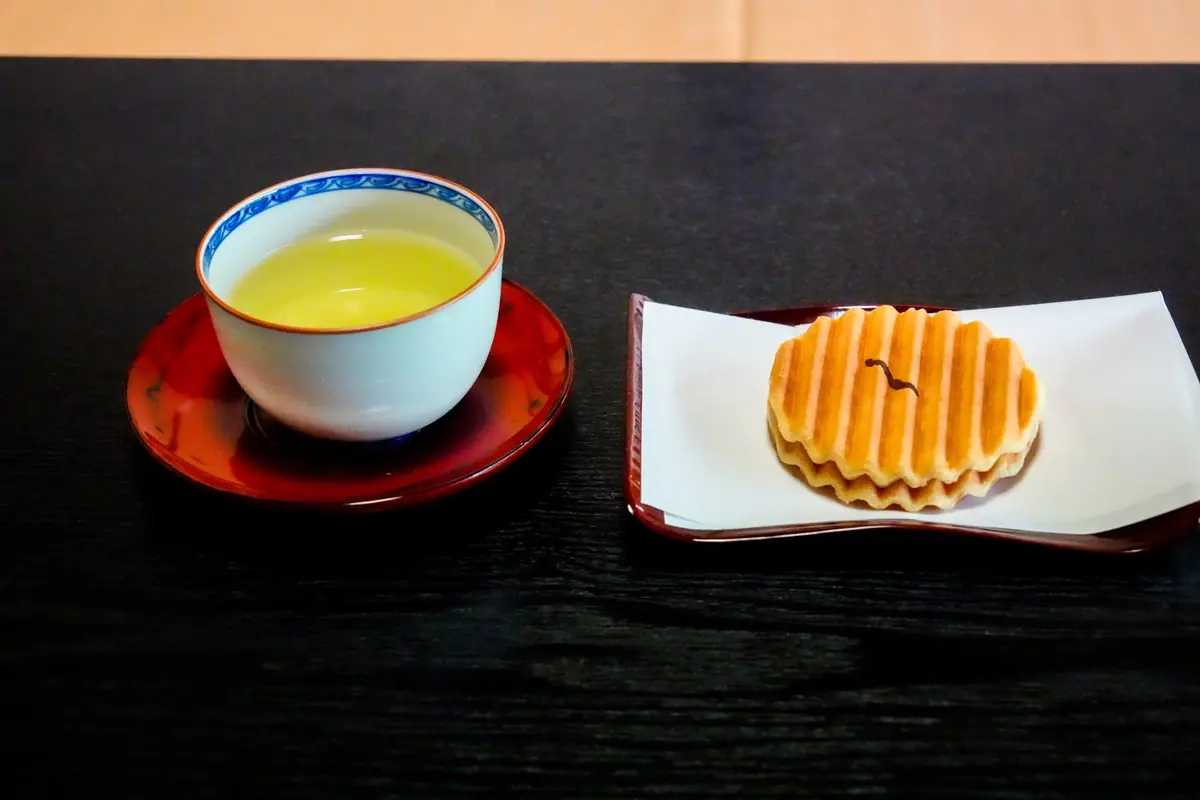
We operate Maiko & Zen Kyoto, a 90-minute session at Ikka-in, a sub-temple of Tofuku-ji founded in 1382 and rarely open to the public. Unlike a theater program, where you watch from a seat facing a stage, the maiko dances in the same temple hall as you, with no stage between you. An English-speaking guide introduces the temple and maiko culture, you create your own patterns in the gravel of the Zen garden with a wooden rake, and you watch two dances while enjoying fragrant sencha green tea and a delicate Japanese sweet, then talk with the maiko, ask her questions, and take photos together.
What sets it apart
- No stage between you and the maiko: she dances in the same temple hall, at close range.
- Time to talk: the session ends with time to ask her questions and take photos together.
- A quiet temple: no general visitors during the session; you share it with a small group of fellow travelers.
- More than a show: an English-speaking guide and a hands-on Zen garden activity are included.
- Easy to reach: near Tofukuji Station, one stop from Kyoto Station on the JR Nara Line, with afternoon start times that fit a sightseeing day.
Is it right for you? If a small group, time to talk with a maiko, English support, and photos matter to you, the session fits easily into a Kyoto sightseeing day. Tea is a relaxed accompaniment rather than a formal tea ceremony.
Sessions start at 2:00 pm and 3:30 pm and cost 23,000 yen per person as of October 2026 (children 6 and older pay the same price; children under 6 cannot join); prices may change by season, so check current session times and prices.
Practical Details to Check
- Length: the dances' tea seats come before an hour-long show; the length of a session at a venue varies, so check each listing.
- Age limits: these vary. In 2026, Kyo Odori did not admit children under 10, and our session welcomes children aged 6 and older.
- Photos: rules differ by venue. At Gion Corner, photos with a maiko are offered after winter-season performances; small-group sessions often set aside time for photos.
- Seating: many rooms have tatami floors, so you may sit on the floor; ask the venue if kneeling is difficult.
- What "tea" means: look for whether a listing promises a tea ceremony or simply tea and a sweet.
If You Want a Real Tea Ceremony
A formal tea ceremony, or chado ("the way of tea"), is a practice in which a host prepares tea for guests, perfected by Sen Rikyu in the 16th century, according to Urasenke, one of the major schools that carry on his tradition. If learning the procedure is your goal, choose a dedicated tea ceremony session. Our guide to tea ceremony in Kyoto explains the options.
Frequently asked questions
Is tea with a maiko the same as a tea ceremony?
Not always. Some dance tickets include tea served before the show, such as at Miyako Odori and Kyo Odori, while other programs simply serve tea and a sweet alongside a dance. Check whether a listing says 'tea ceremony' or just 'tea.'
Where can I enjoy tea with geiko and maiko?
At Miyako Odori in April, tickets with tea let you enjoy tea while watching geiko and maiko. Kyo Odori in Miyagawacho included a tea ceremony with every ticket in 2026.
Do I need to know tea etiquette?
No special etiquette is required at these seats. If you want to learn the etiquette properly, a dedicated tea ceremony session is a better fit.
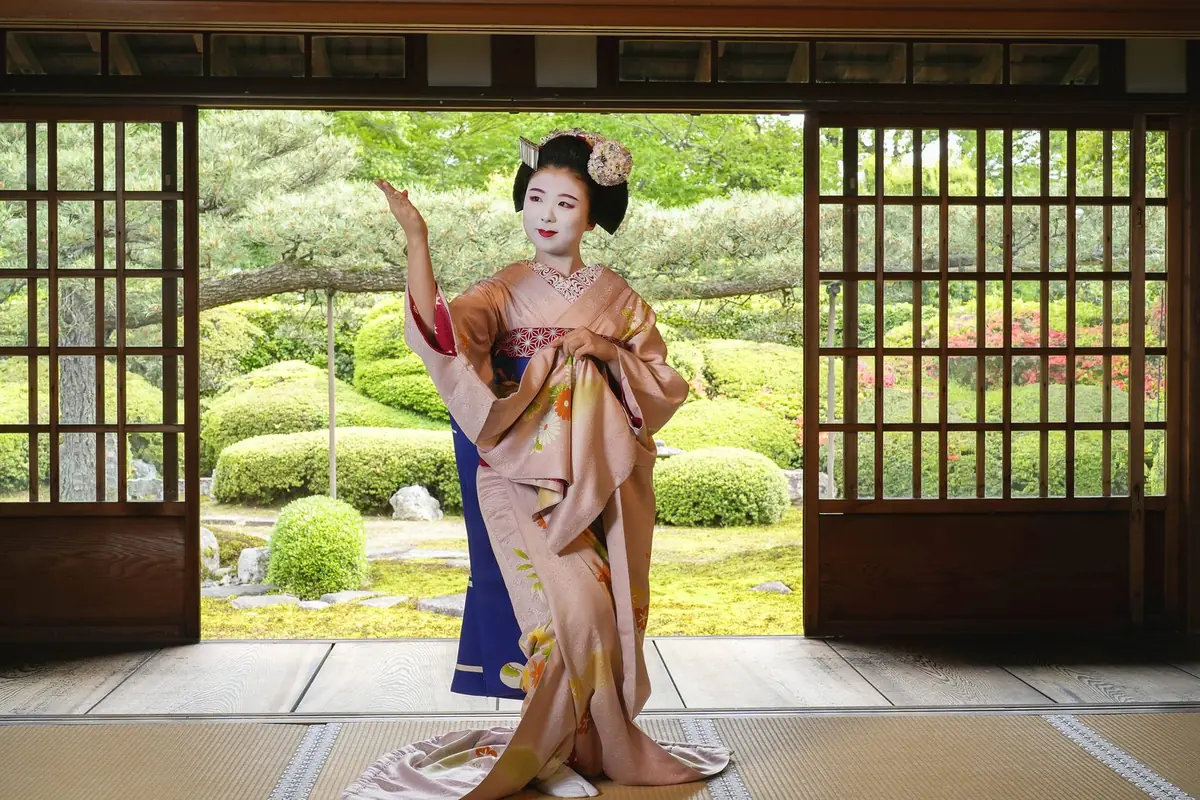
A maiko dance session at a Zen temple near Kyoto Station
Rake a Zen garden, watch two maiko dances and share green tea at Ikka-in, a temple rarely open to the public, one stop from Kyoto Station. Sessions start at 2:00 pm and 3:30 pm.
See the 2:00 pm and 3:30 pm sessions →Sources
- Miyako Odori (English) — Gion Kobu Kaburenjo
- Kyo Odori — Miyagawacho
- Gion Corner: performances and tickets — Kyoto Traditional Musical Art Foundation
- An Introduction to Chado — Urasenke