Shojin Ryori in Kyoto: What Temple Cuisine Is and What to Expect
We operate the Maiko & Zen Kyoto experience mentioned in this guide.
Shojin ryori is the cuisine of Japanese Buddhist temples. This guide explains what it is, what a meal looks like, and what to ask before you sit down to a temple meal in Kyoto, so you can enjoy it without surprises.
What Is Shojin Ryori?
Shojin ryori does not use meat, fish, dairy, or egg products. That single rule shapes the whole meal, and rice, tofu, and vegetables fill the tray instead.
The cuisine traces back to Zen in China, and it reached Japan in the thirteenth century, carried there along with Zen teaching itself. Its cooking draws on fresh vegetables of the season, herbs, and plants gathered in the wild, and no animal is deprived of life for the meal.
For a traveler, the word to remember is plant-based. Coming to the meal with curiosity, rather than comparing it with the food you eat at home, makes it easier to enjoy what each dish offers.
What a Shojin Meal Looks Like
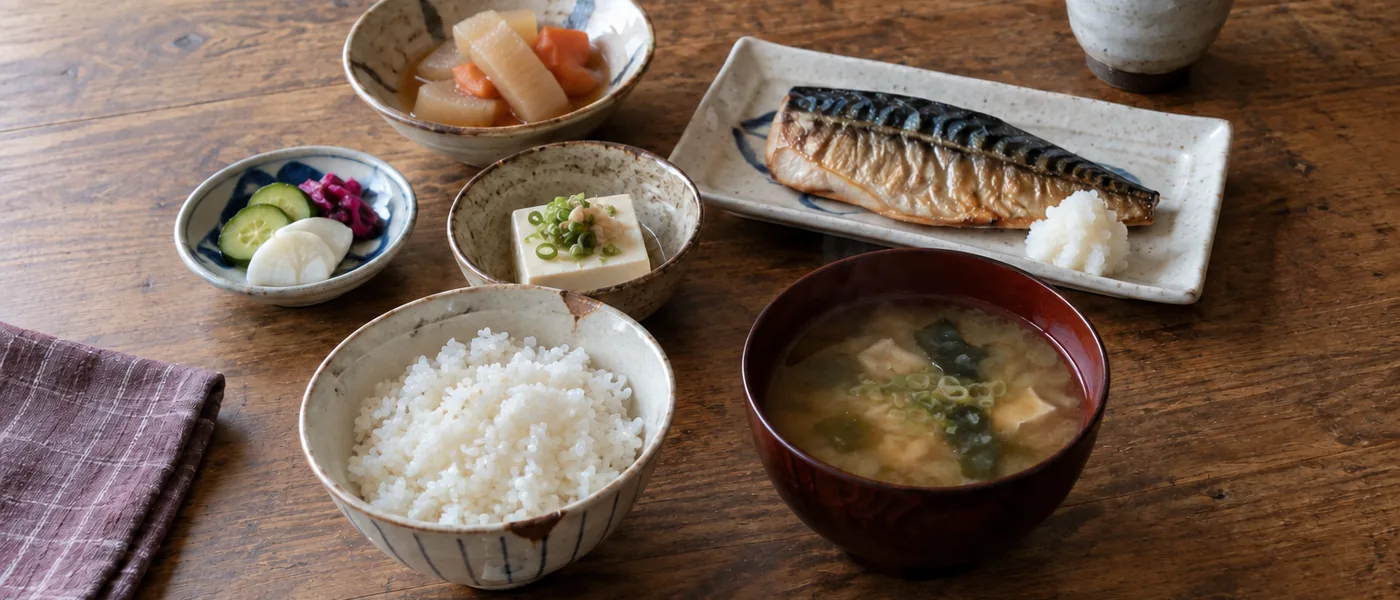
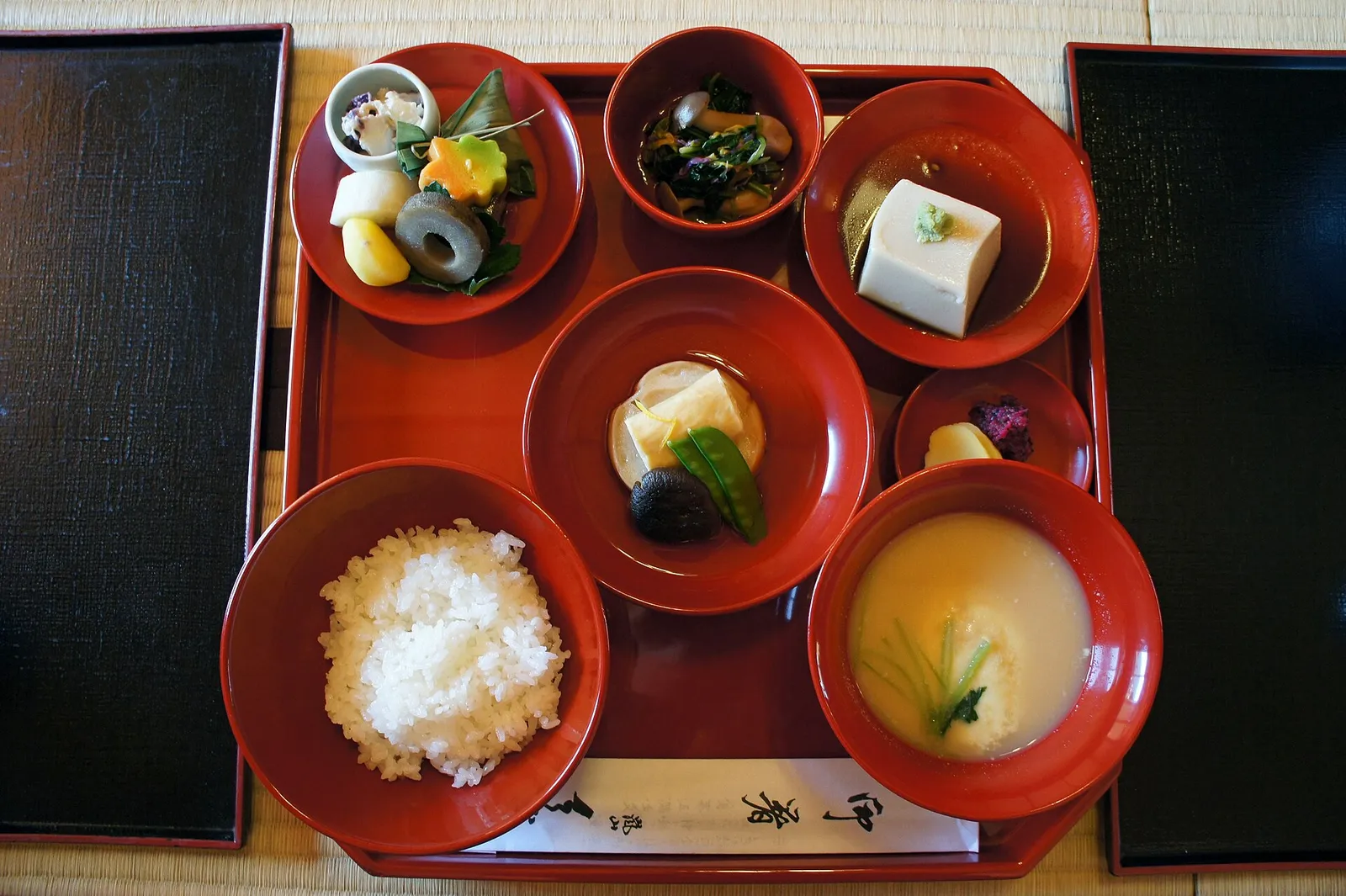
A shojin meal can come as a tray of small dishes. In the photo at the top of this page, for example, a bowl of rice, a bowl of soup, a block of tofu with a dab of wasabi, simmered vegetables, and a small plate of pickles sit together on one red lacquer tray.
A tray like this is built from a few kinds of dishes:
- Tofu in different forms, from cold blocks to tofu simmered in a pot
- Seasonal vegetables, simmered, dressed, or fried as tempura
- Rice and a soup, which anchor the tray
- Small pickles that finish the meal
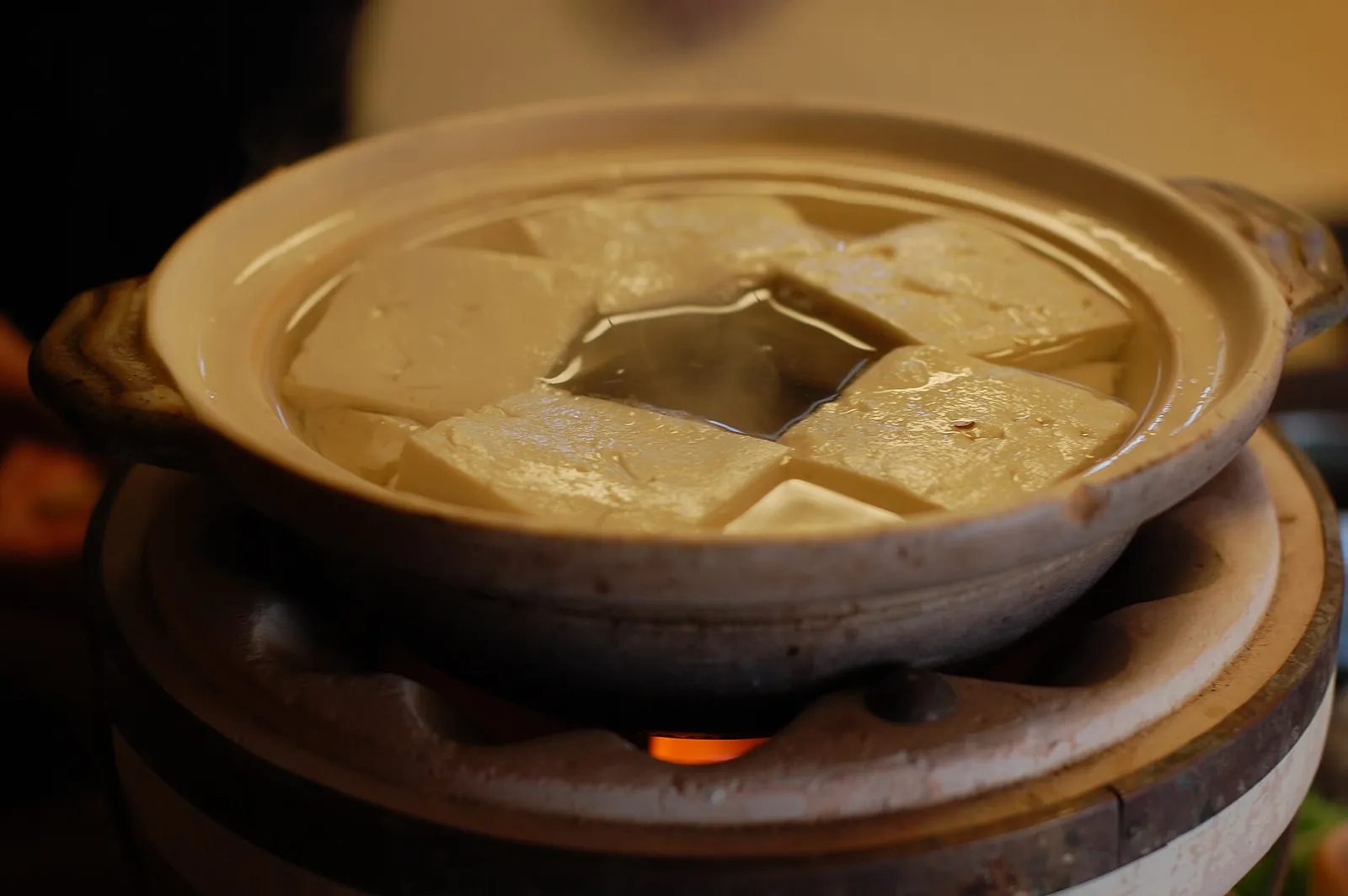
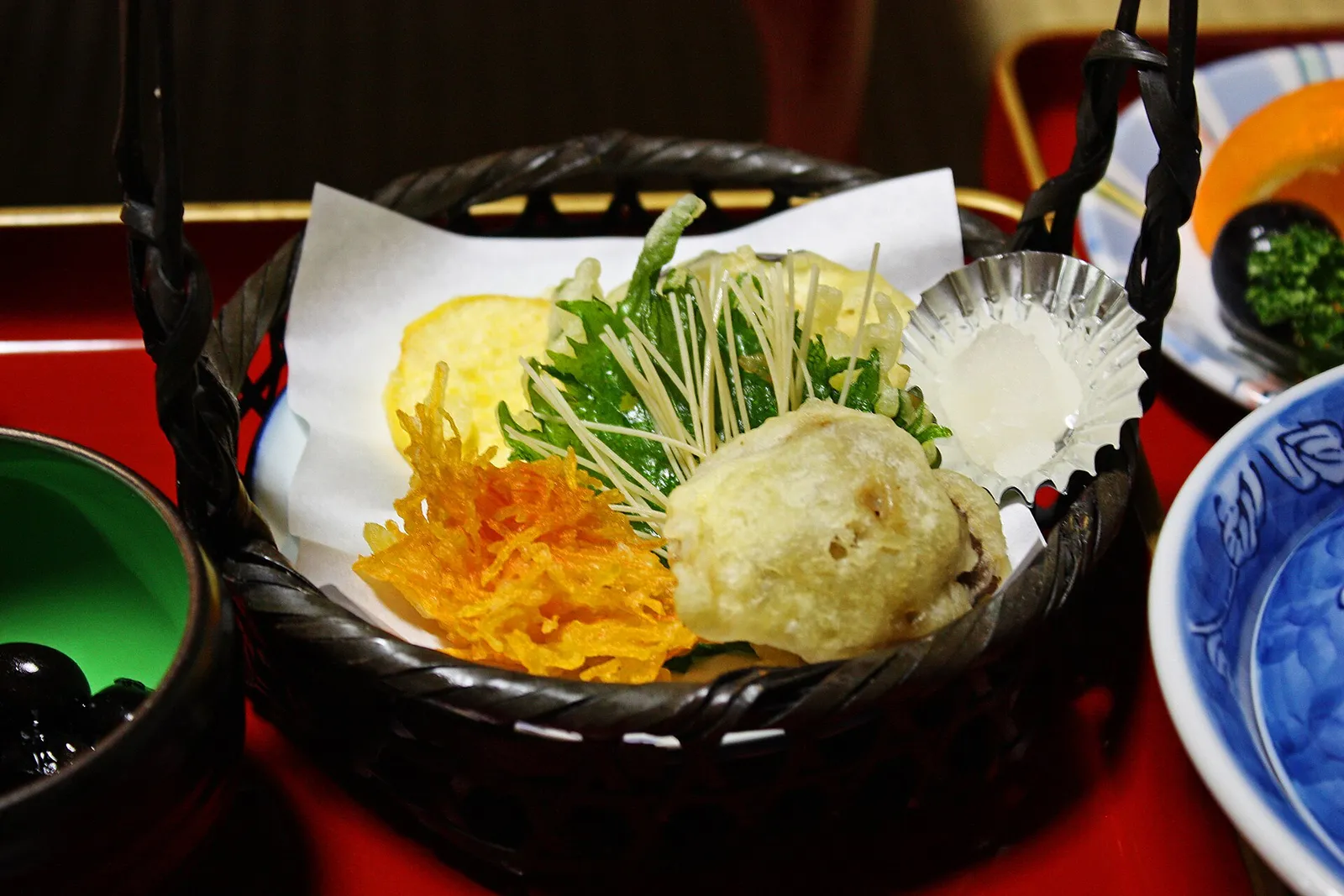
The clay pot of simmered tofu shown above, known as yudofu, is one familiar form. Vegetable tempura, shown below, adds a crisp contrast to the softer dishes.
Eating Mindfully
Plan to eat slowly at a temple meal, take each dish in turn, and notice the flavors without reaching for something else. Taking one small dish at a time lets simple ingredients show their flavor.
If you are unsure how to handle a dish or a bowl, watch what the staff do, or simply ask. A polite question is a simple way to learn, and it lets you settle into the meal instead of worrying about getting something wrong.
Zen and the Meal
In Zen, cooking and eating have always been regarded as forms of spiritual practice, as natural parts of everyday life. That idea may help explain why a temple meal can feel unhurried: preparing the food and eating it belong to the practice.
Even without any study of Zen, keeping that one idea in mind can change how you see a plain bowl of rice or a single block of tofu on the tray: simple food, prepared and eaten with attention.
Shojin ryori sits in the same world as other Zen practices. Zazen, for example, involves a sitting posture in a quiet, tidy place, with the breath flowing quietly and naturally, according to Japan's national tourism organization.
A shojin meal can work in a similar way: one dish, one bite, one thing at a time. For more on temple life and what zazen asks of you, see our Zen Buddhism basics guide.
Who Can Enjoy a Shojin Meal
You do not need to be vegetarian or Buddhist to enjoy shojin ryori. Travelers can come simply because they are curious about temple culture or want a calm, light meal in the middle of a day of sightseeing.
If meat is part of your everyday diet, think of the meal as a chance to taste vegetables, tofu, and grains prepared with great care. The variety of textures on one tray, from silky to crisp, keeps the meal interesting from start to finish.
If you are traveling with children, a tray of small dishes lets younger guests try a little of everything at their own pace. When you contact the place, mention the ages in your group and ask whether the meal suits your family, so everyone can relax at the table.
If you follow a plant-based diet, shojin ryori can be a welcome option during your trip. Still, read the next section before you go, because details such as the broth can differ from place to place.
Questions to Ask Before You Go
Before you choose a place, send a short message or ask at the front desk about the points that matter to you. For shojin ryori in Kyoto, the city's tourism association notes that advance reservations are recommended.
The same association notes that some establishments in Kyoto use fish-based broth, so ask in advance if you wish to avoid it.
- Ask which ingredients are used if you have an allergy or avoid certain foods.
- Ask whether the stock and seasonings are plant-based, if that matters to your diet.
- Ask the place to confirm its current menu and what the meal includes.
A temple meal is part of a visit rather than a quick stop. Leave room in your plans so you can enjoy each dish without hurrying, and consider pairing the meal with a quiet walk through the temple grounds or a garden on the same visit.
To see how traditional Kyoto food culture looks in other settings, see our guides to what maiko eat and to Japanese sweets.
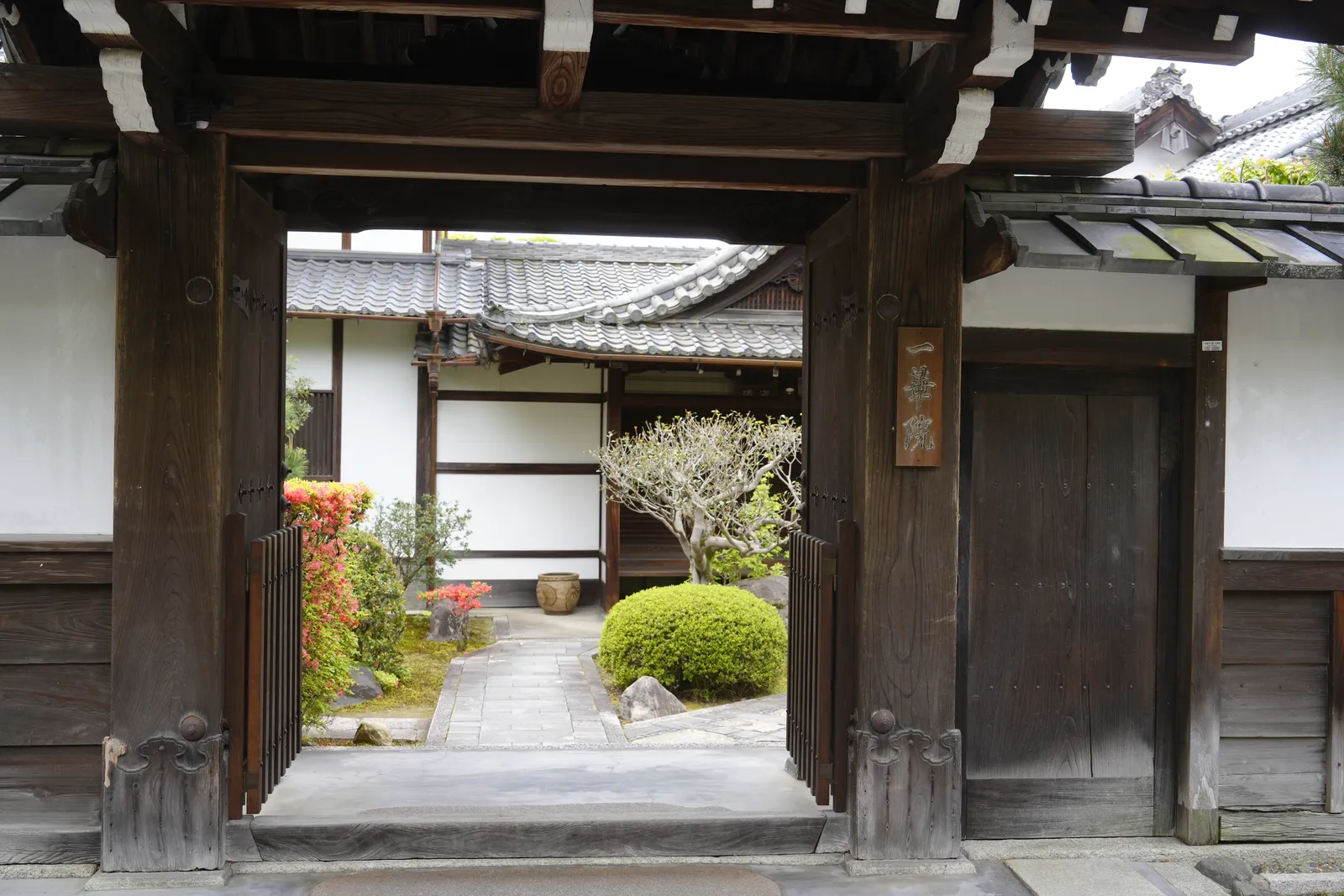
Add a quiet temple stop to your day. We operate Maiko & Zen Kyoto, a 90-minute session at Ikka-in, a sub-temple of Tofuku-ji, where a maiko dances in the same temple hall with no stage between you, then takes time for your questions and photos. See current session times and prices.
Frequently asked questions
What is shojin ryori?
Shojin ryori is the cuisine associated with Japanese Buddhist temples. It does not use meat, fish, dairy, or egg products, and its cooking draws on fresh vegetables of the season, herbs, and wild plants.
Does shojin ryori contain meat or fish?
Shojin ryori does not use meat, fish, dairy, or egg products. In Kyoto, though, some establishments use fish-based broth, so ask in advance if you wish to avoid it, and mention any allergies at the same time.
What does a shojin meal look like?
A shojin meal can come as a set of small dishes on one tray, such as rice, a soup, and several small plates of tofu and vegetables prepared in different ways.
How is shojin ryori connected to Zen?
Shojin ryori traces back to Zen in China and reached Japan in the thirteenth century along with Zen teaching. In Zen, cooking and eating are regarded as forms of spiritual practice, as natural parts of everyday life.
Do I need a reservation for shojin ryori?
For shojin ryori in Kyoto, advance reservations are recommended. Contact the place you plan to visit and confirm the details directly.
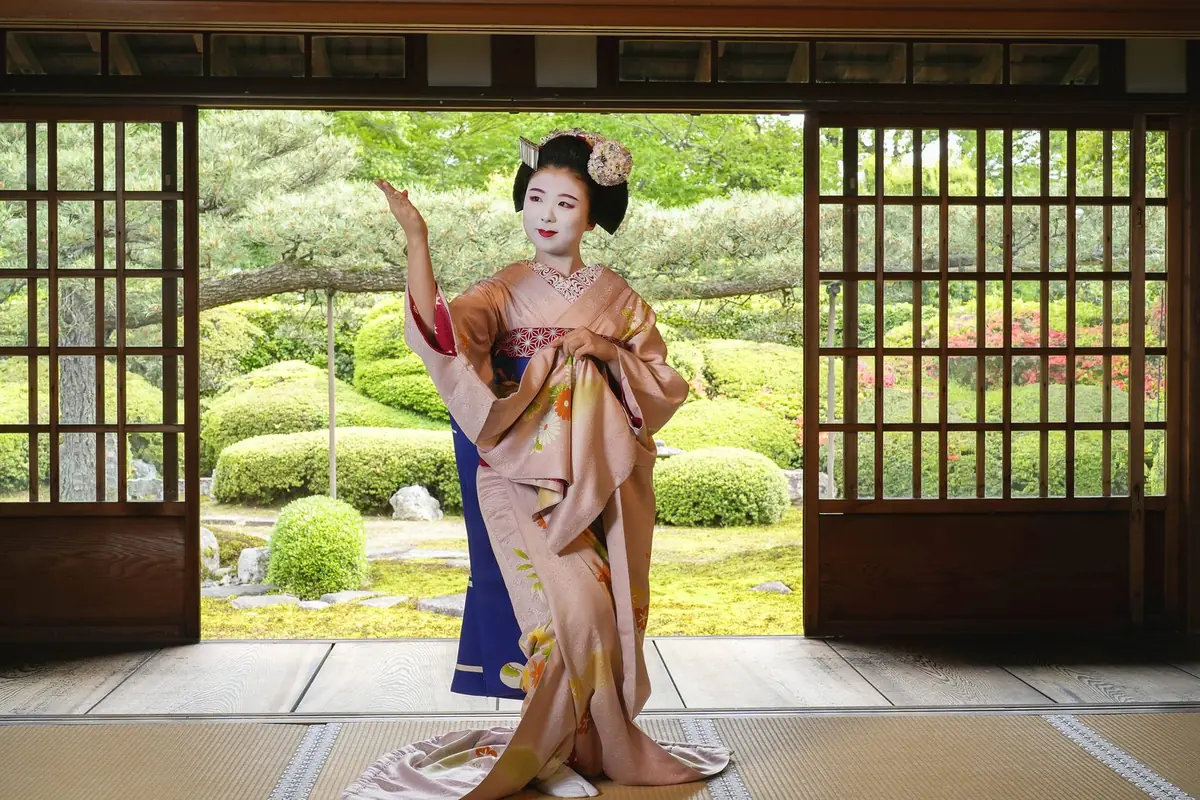
A maiko dance session at a Zen temple near Kyoto Station
Rake a Zen garden, watch two maiko dances and share green tea at Ikka-in, a temple rarely open to the public, one stop from Kyoto Station. Sessions start at 2:00 pm and 3:30 pm.
See the 2:00 pm and 3:30 pm sessions →Sources
- Temple stays in Japan — Japan National Tourism Organization
- Meditation in Japan — Japan National Tourism Organization
- Zen vegetarian cuisine — Tenryu-ji
- Kyoto cuisine compatible with many dietary restrictions — Kyoto City Tourism Association