Fushimi Inari and Tofuku-ji in Autumn: A Half-Day Route
We operate the Maiko & Zen Kyoto experience mentioned in this guide.
The Half Day at a Glance
Fushimi Inari Taisha and Tofuku-ji are neighbors on the JR Nara Line: Inari is the next station after Tofukuji, about 2 to 3 minutes by local train. That pairing suits a single outing in the south of Kyoto: maple leaves at the temple and a mountain shrine that rewards a slow walk.
This guide covers the order of the stops, the trains and buses between them, and the rules each place asks visitors to follow. The autumn leaf period is not fixed, and Tofuku-ji notes that its autumn viewing dates and hours change every year, so treat every date below as a starting point and check the official pages for your own trip.
Related reading: our Kyoto itinerary by area.
Which Stop to Visit First
Tofuku-ji sets the shape of the day, so start from its schedule. This autumn, from November 14 to December 6, the Tsutenkyo Bridge is open from 8:30 am to 4:00 pm and the Hojo gardens from 9:00 am to 4:00 pm, with the gates closing at 4:30 pm. Until November 13, the temple is open from 9:00 am to 4:00 pm, with ticket sales ending at 4:00 pm.
One sensible approach is to arrive when the temple opens and then move on to Fushimi Inari Taisha with the rest of the day ahead of you. Whichever order you choose, finish the temple before its closing time rather than saving it for the end of a long day.
Getting Between the Two Stops
From Kyoto Station, the JR Nara Line reaches Tofukuji Station in about 3 minutes, and the temple is about 10 minutes on foot from there. Fushimi Inari Taisha is right next to Inari Station, 2 stations or 5 minutes from Kyoto Station on the same line. Between the two, Inari is the next station after Tofukuji, about 2 to 3 minutes by local train.
The Keihan Main Line also works: the temple is about 10 minutes on foot from Keihan Tofukuji Station, and the shrine is a 5 minute walk east of Fushimi-Inari Station. City buses are another option. Kyoto City Bus 88 or 208 from Kyoto Station takes about 15 minutes, followed by about 4 minutes on foot to Tofuku-ji, and the shrine is 7 minutes on foot east of the Inari Taisha-mae bus stop.
Tofuku-ji in the Leaf Season
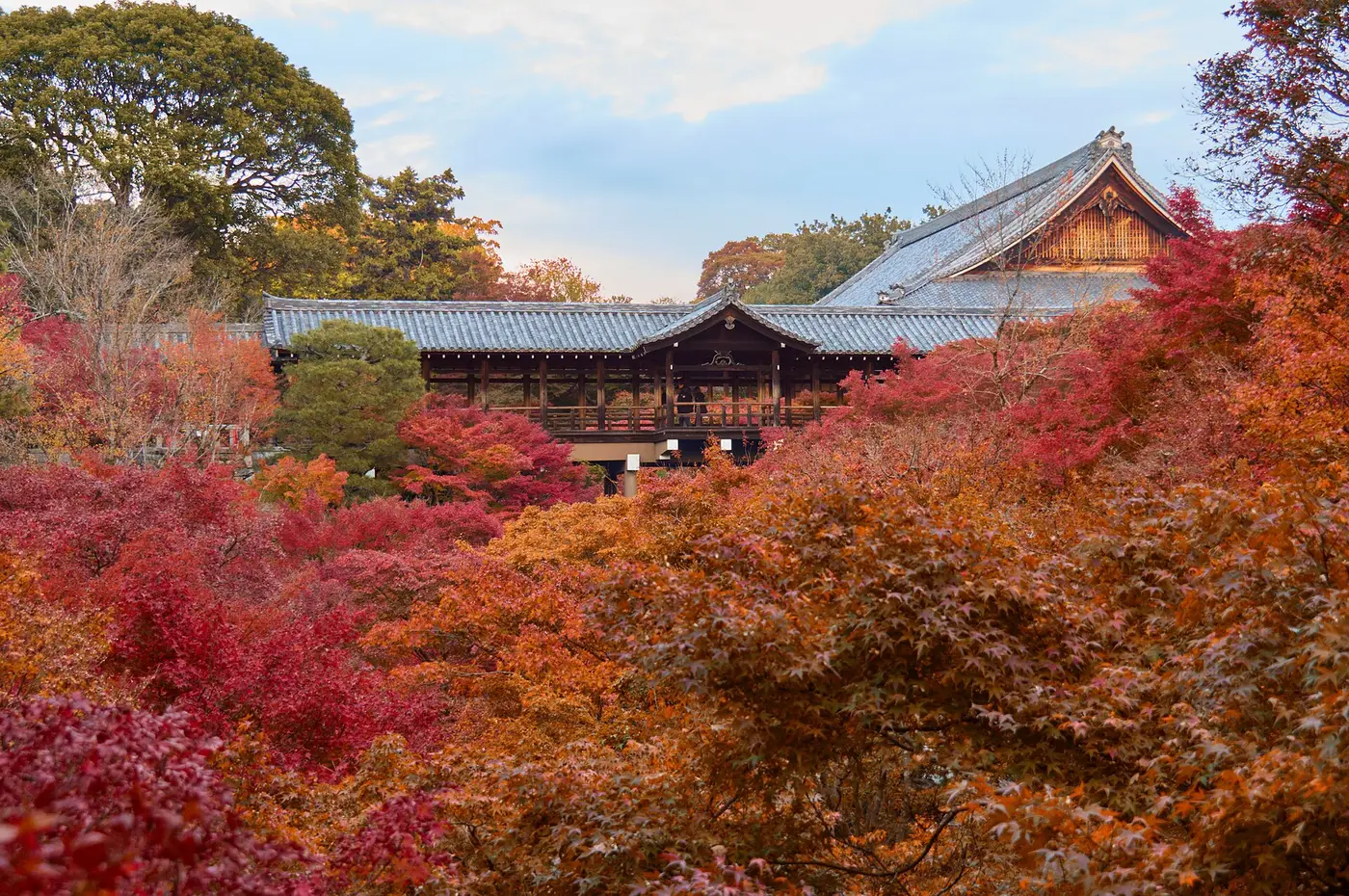
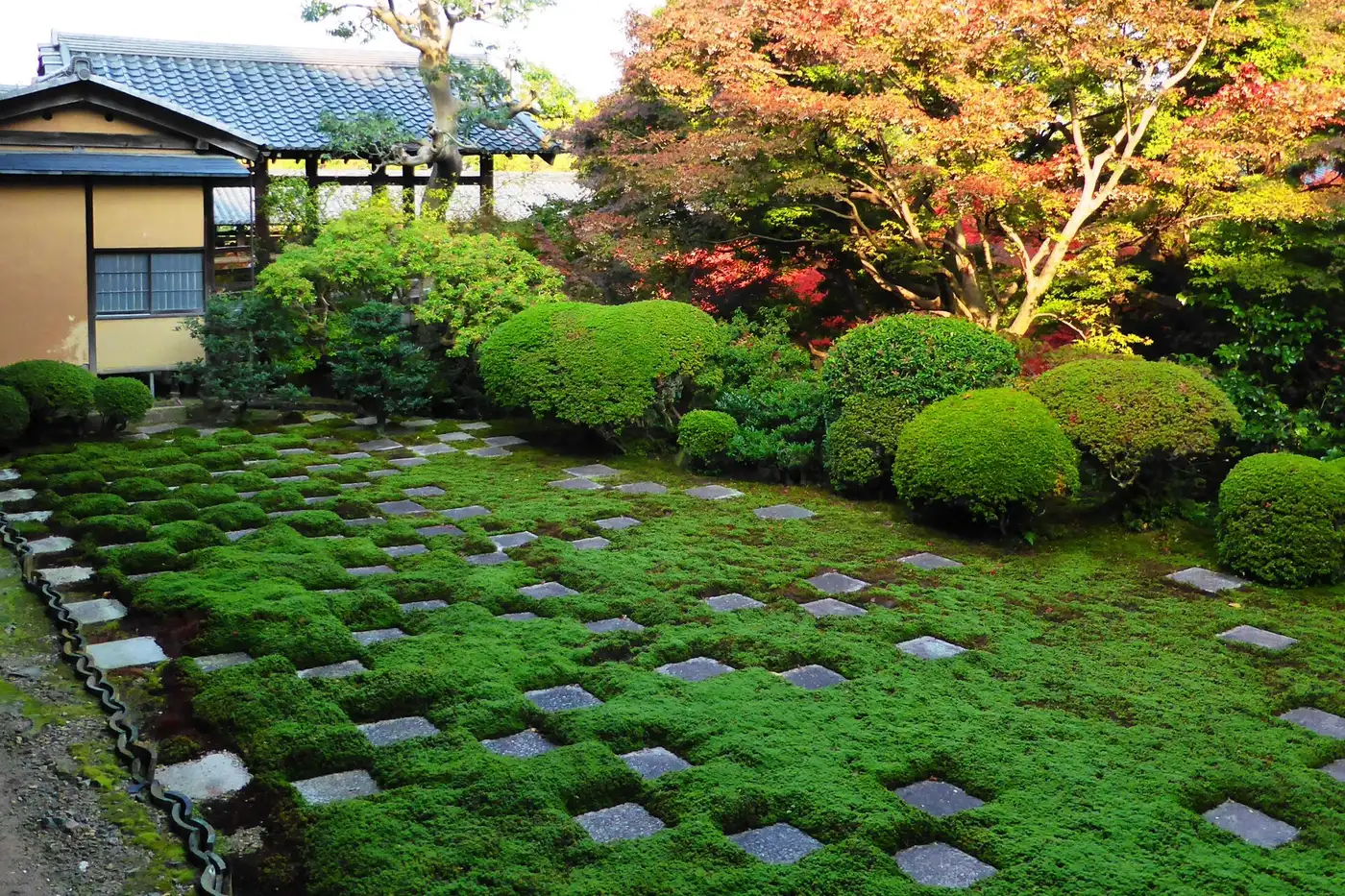
With half a day, start at Tsutenkyo Bridge and look over the Sengyokukan ravine, where the rare three-leaf maples turn golden. When you have seen enough leaves, the gardens around the Hojo, a 1939 design by Mirei Shigemori, give you a modern garden instead, and the Sanmon gate, a National Treasure, is on your way out. Our Tofuku-ji temple guide covers each of these.
In the period from November 14 to December 6, the Tsutenkyo and Kaisando ticket costs 1,000 yen for adults, and the combined ticket with the Hojo gardens is not sold. In that period the Hojo gardens cost 600 yen for adults (the price rises from 500 yen on November 1, 2026).
During the autumn special opening, visitors may be asked not to take photos on Tsutenkyo and Gaun bridges, and the temple asks visitors not to eat or drink on the grounds or use tripods for photography. Re-entry is not allowed, so decide which parts you want to see before you buy a ticket. For the full picture of the temple, see our Tofuku-ji guide.
Fushimi Inari Taisha and Inariyama
Inariyama is a 233 m high holy mountain, and the whole mountain is considered part of the shrine precinct. Its highest peak, Ichinomine, stands at 233 m. Because the paths climb the mountain, decide how far up you want to go before you start, and let the time left in your day set the turning point. Our Fushimi Inari hike guide walks through the options.
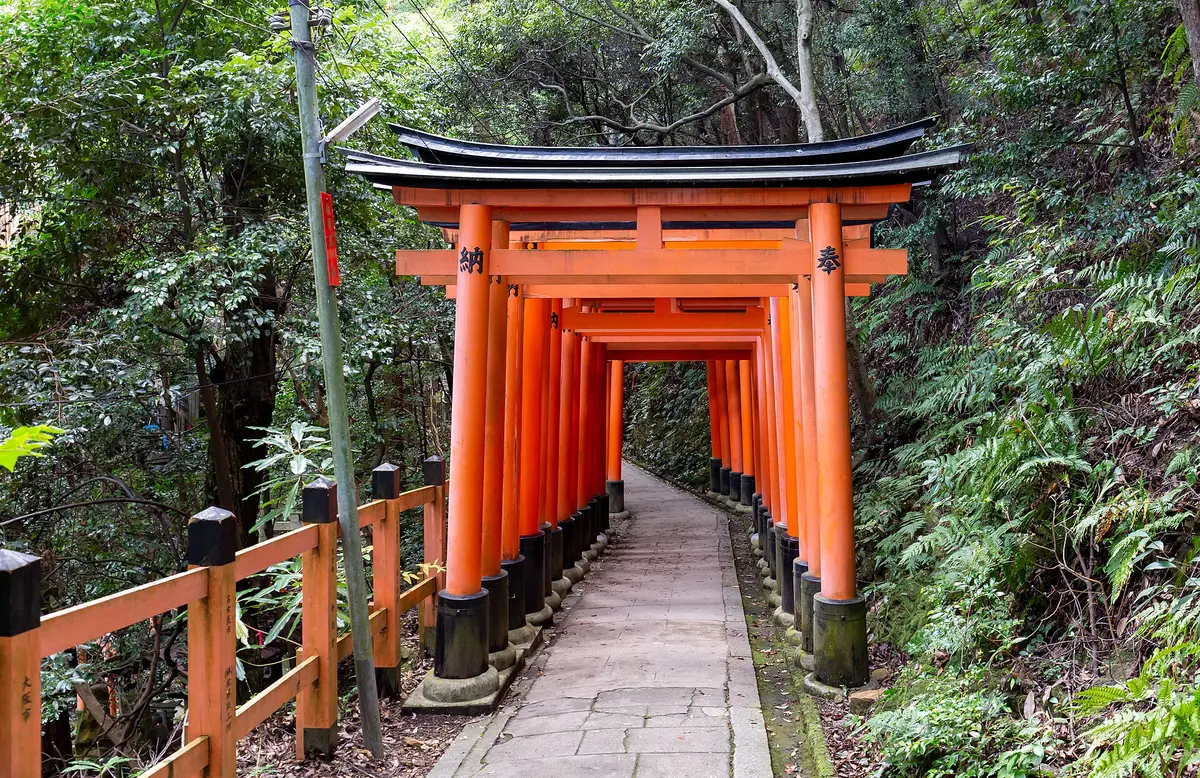
The shrine asks visitors to avoid taking photographs or filming in a way that stops worshippers from passing on narrow paths. It also asks visitors not to eat or drink outside the marked rest areas, and that includes eating while walking or standing. Stepping aside to take a photo keeps the path clear for everyone.
A Quiet Temple Stop in the Afternoon
Once both places are done, you may have room for one slow, seated experience instead of another sight. Because ticket sales at Tofuku-ji end at 4:00 pm, visit the temple before an afternoon session rather than after it.
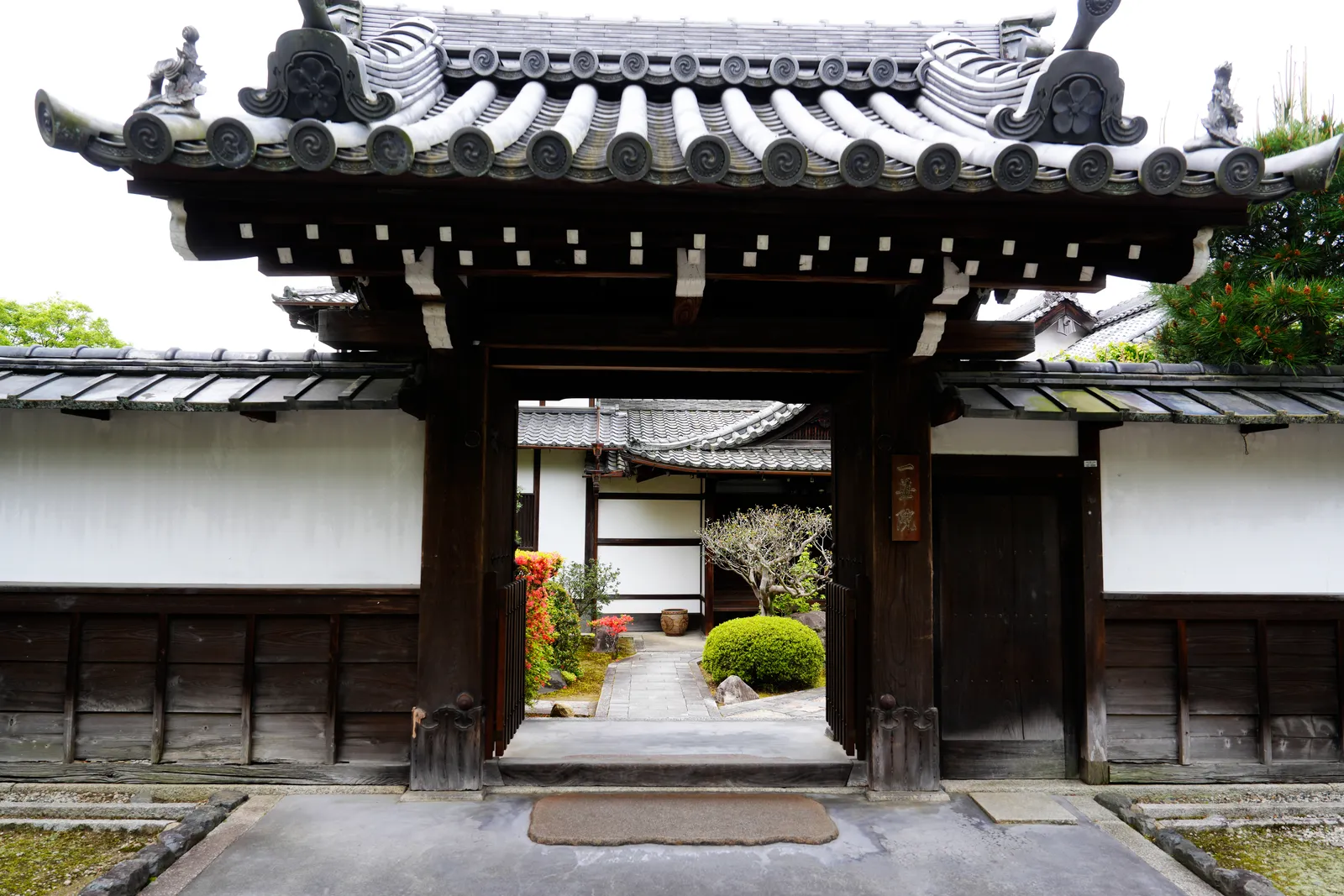
We operate Maiko & Zen Kyoto at Ikka-in, a sub-temple of Tofuku-ji that is rarely open to the public. Unlike a theater program, where you watch the dances from a seat, our session is a shared small group with an English-speaking guide, and after the dance there is time to talk with the maiko and take photos together. If a small group, unhurried time to talk, English support, and photos matter to you, the session can be the last stop of this half day. See current session times and prices.
Here is one way the day can flow:
- Morning: Fushimi Inari Taisha. The shrine is right next to JR Inari Station, so you can start with a walk through the torii gates.
- Late morning: Tofuku-ji. Take the JR Nara Line one stop from Inari to Tofukuji, about 2 to 3 minutes by local train, and see the autumn leaves of the Sengyokukan ravine from Tsutenkyo Bridge.
- Lunch. Eat before you enter the temple grounds or after you leave them, since Tofuku-ji asks visitors not to eat or drink on the grounds.
- 2:00 pm or 3:30 pm: the session at Ikka-in. Sessions start at 2:00 pm and 3:30 pm and last 90 minutes, with sencha and a sweet.
- After the session. Tofukuji Station is about 3 minutes from Kyoto Station on the JR Nara Line, so the ride back to the city is short.
Season and Timing Tips
Dates move from year to year, so confirm the opening period on the official Tofuku-ji page before you go. Wear comfortable shoes for stairs and gravel, and dress in layers, since the air can feel different in the sun and in the shade.
Plan meals around your visit, because Tofuku-ji asks visitors not to eat or drink on the grounds. Carry water and a small bag.
Add a quiet temple stop to your day. We operate Maiko & Zen Kyoto, a 90-minute session at Ikka-in, a sub-temple of Tofuku-ji, where a maiko dances in the same temple hall with no stage between you, then takes time for your questions and photos. See current session times and prices.
Frequently asked questions
Can I visit Fushimi Inari and Tofuku-ji in one half day?
Yes, the two are close on the JR Nara Line, where Inari is the next station after Tofukuji, about 2 to 3 minutes by local train. Decide how far up Inariyama you want to go so the day stays relaxed.
Which should I visit first in autumn?
One approach is to arrive when Tofuku-ji opens, which is 8:30 am for the Tsutenkyo Bridge from November 14 to December 6, and then continue to Fushimi Inari Taisha.
Can I leave Tofuku-ji and come back later?
No. Tofuku-ji does not allow re-entry, so finish every part you want to see before you leave.
What does Tofuku-ji cost in autumn?
From November 14 to December 6, the Tsutenkyo and Kaisando ticket costs 1,000 yen for adults, and the Hojo gardens cost 600 yen (the price rises from 500 yen on November 1, 2026).
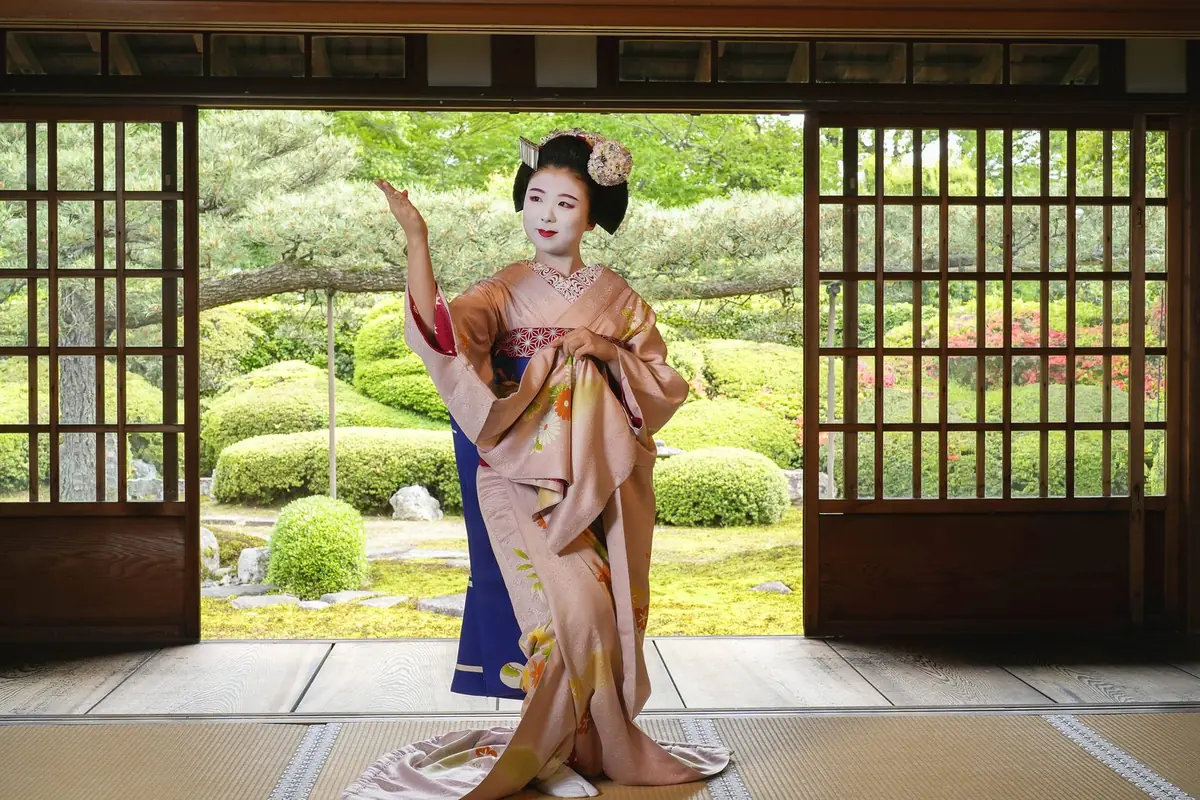
A maiko dance session at a Zen temple near Kyoto Station
Rake a Zen garden, watch two maiko dances and share green tea at Ikka-in, a temple rarely open to the public, one stop from Kyoto Station. Sessions start at 2:00 pm and 3:30 pm.
See the 2:00 pm and 3:30 pm sessions →Sources
- Tofuku-ji: visitor guide — Tofuku-ji
- Tofuku-ji: access — Tofuku-ji
- Fushimi Inari Taisha: access — Fushimi Inari Taisha
- Fushimi Inari Taisha: requests to visitors — Fushimi Inari Taisha
- JR Nara Line timetable — JR West