Kyoto Autumn Leaves Forecast: How to Read the Dates and Plan Your Walk
We operate the Maiko & Zen Kyoto experience mentioned in this guide.
Planning a fall trip to Kyoto often starts with one question: which week will the maple leaves be at their richest? A forecast helps, but a forecast is a guess about the weather, and the temples that open for leaf viewing publish their own dates. This guide shows how to read a forecast, which official pages to check, and how to build a walk that still works if the colors arrive a few days earlier or later than expected.
How to Read a Leaf Forecast
Treat any forecast as a range, not a promise. The leaves change with temperature, rain, and sunshine across the weeks before they turn, so two forecasts can name different days and both be reasonable. Pick one source and keep checking it as your trip gets closer, rather than comparing five sites and worrying about the gaps between them.
A few habits make a forecast more useful:
- Look for the date a source last updated its numbers, and prefer a recent update to an old one.
- Read the wording around the dates. Words such as "expected" or "estimated" tell you the source is predicting, not reporting.
- Once leaves start to turn, switch from the forecast to day-by-day reports, which describe what is on the trees today.
- Keep part of your plan flexible, so that you can follow whichever area looks brightest.
We leave predicted dates to the forecasts themselves, because forecast numbers shift from year to year. The temples' own pages, described below, are the sources to trust for opening dates.
What Temples Publish for Leaf Viewing
Many temples change how they open when the leaves are turning. A temple may open its bridge earlier, add a special ticket, or stay open into the evening. These changes are announced by the temple, and they are different from a forecast: a forecast tells you when the trees might look their brightest, while the temple tells you when and how you can walk in.
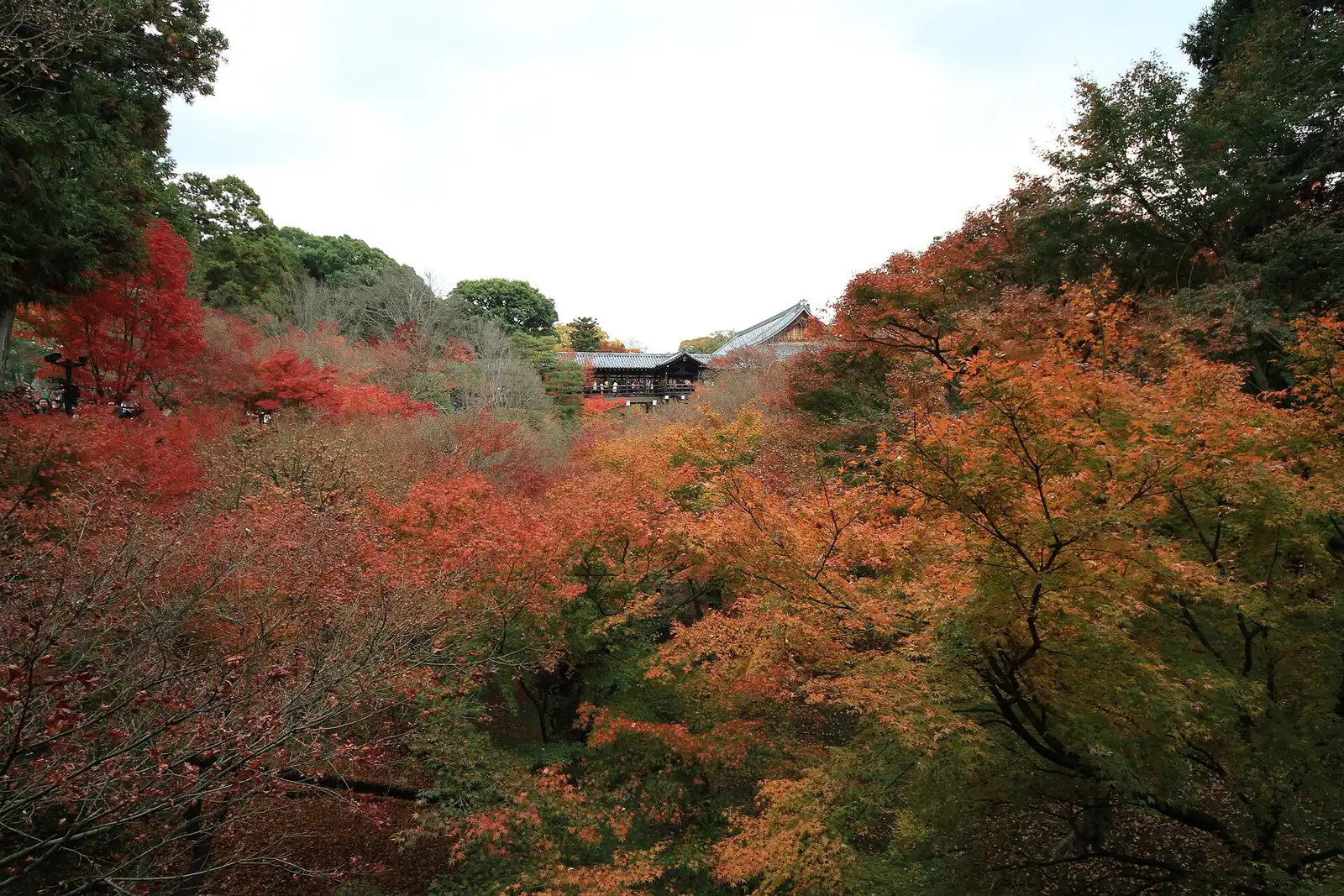
Tofuku-ji is a clear example. Its official visitor guide notes that the autumn viewing dates and hours change every year. From November 14 to December 6, the Tsutenkyo Bridge opens at 8:30 am, while the Hojo gardens run from 9:00 am to 4:00 pm. From April 1 to November 13, the temple opens at 9:00 am.
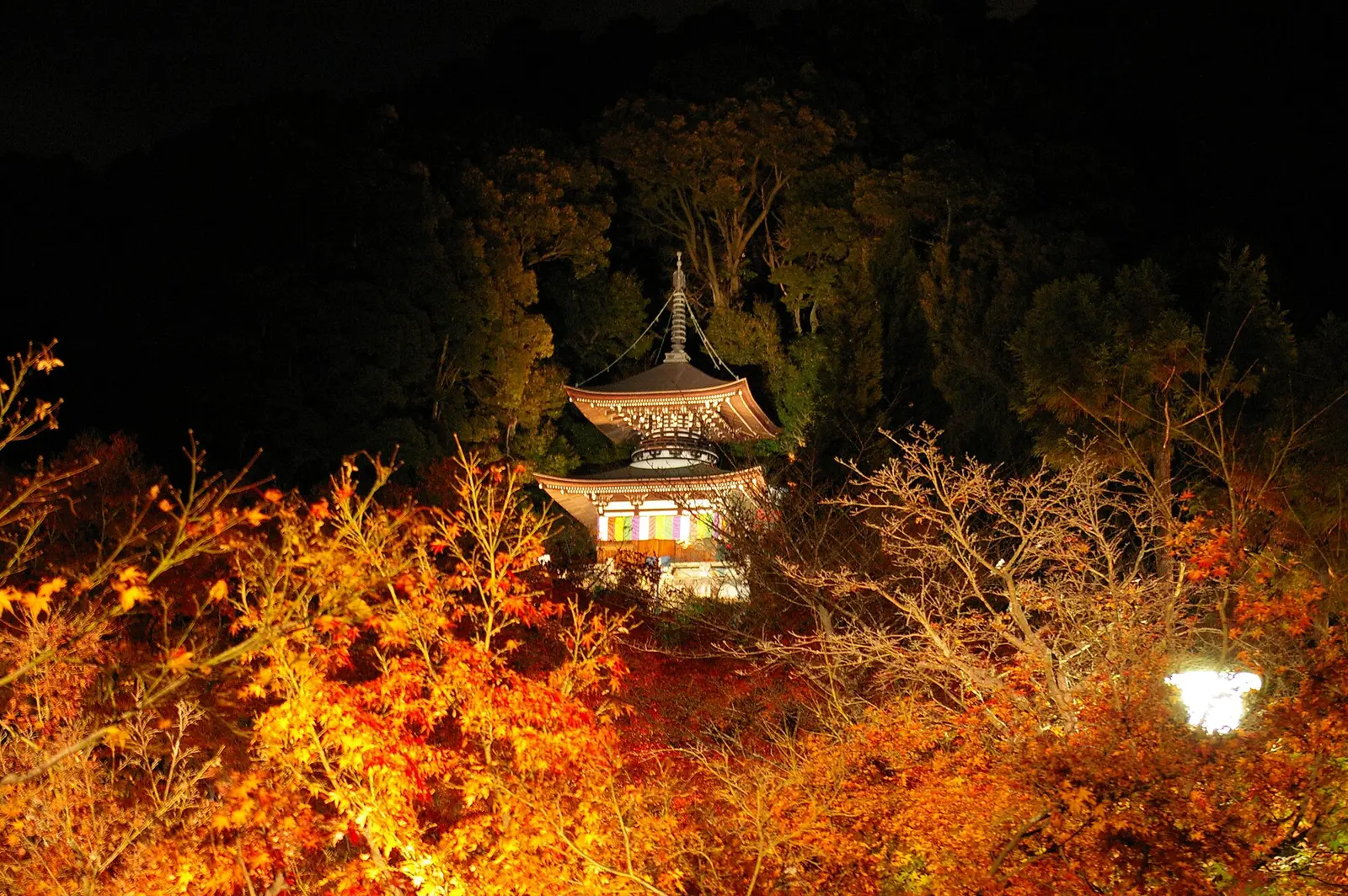
Kiyomizu-dera lists a special night viewing from November 21 to 30, 2026, with the temple open from 6:00 am to 9:30 pm and the last entry at 9:00 pm. The temple notes that these dates change every year, which is the same message you see at Tofuku-ji.
Tenryu-ji in Arashiyama lists an early opening from 7:30 am on November 14 to 30, 2026. Its garden normally opens at 8:30 am and closes at 5:00 pm, with the last entry at 4:50 pm.
The Kiyomizu-dera and Tenryu-ji dates above are for 2026. Tofuku-ji notes that its autumn dates change every year, so check each temple's own page again shortly before your visit.
What to Expect at Tofuku-ji
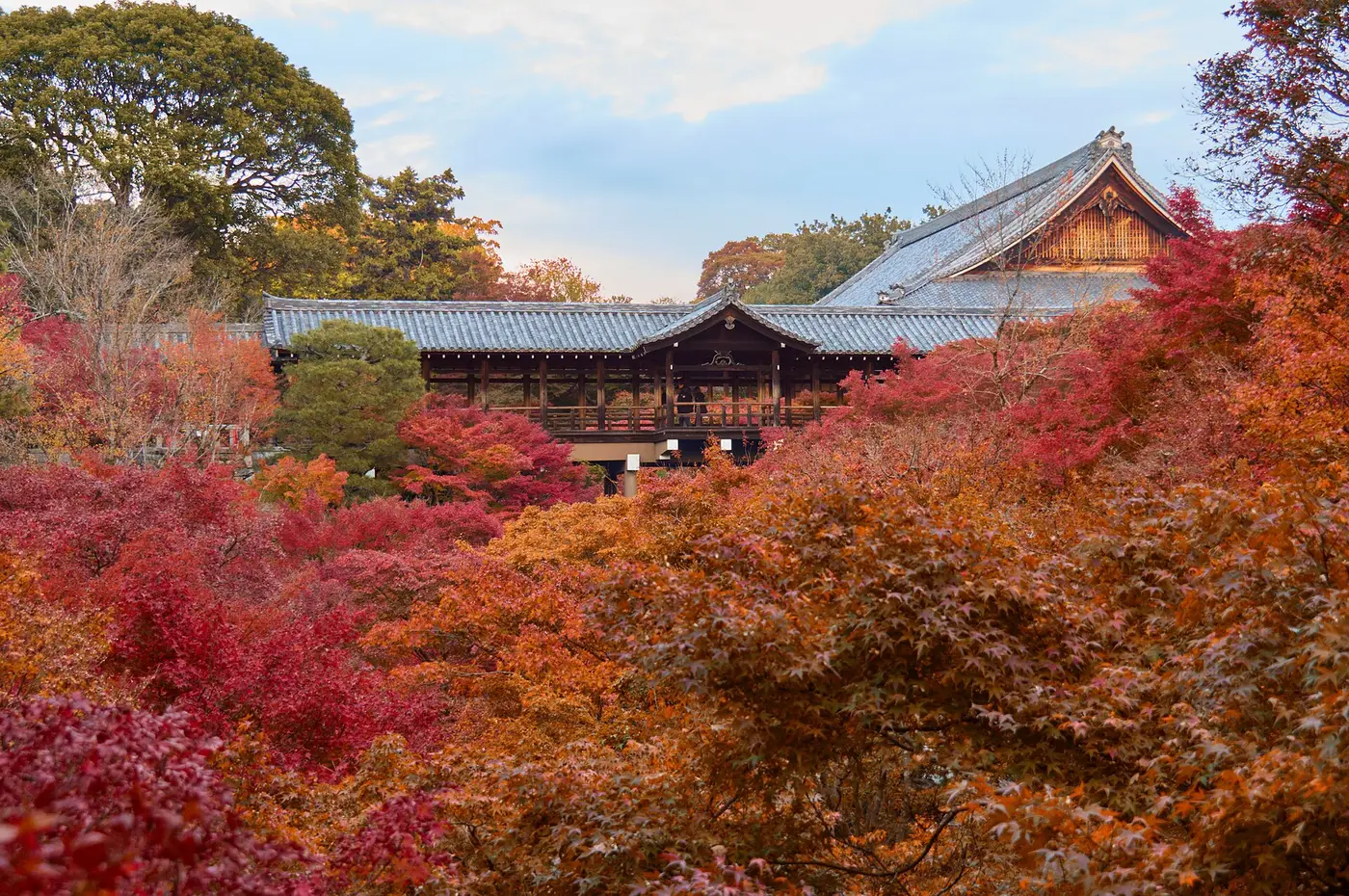
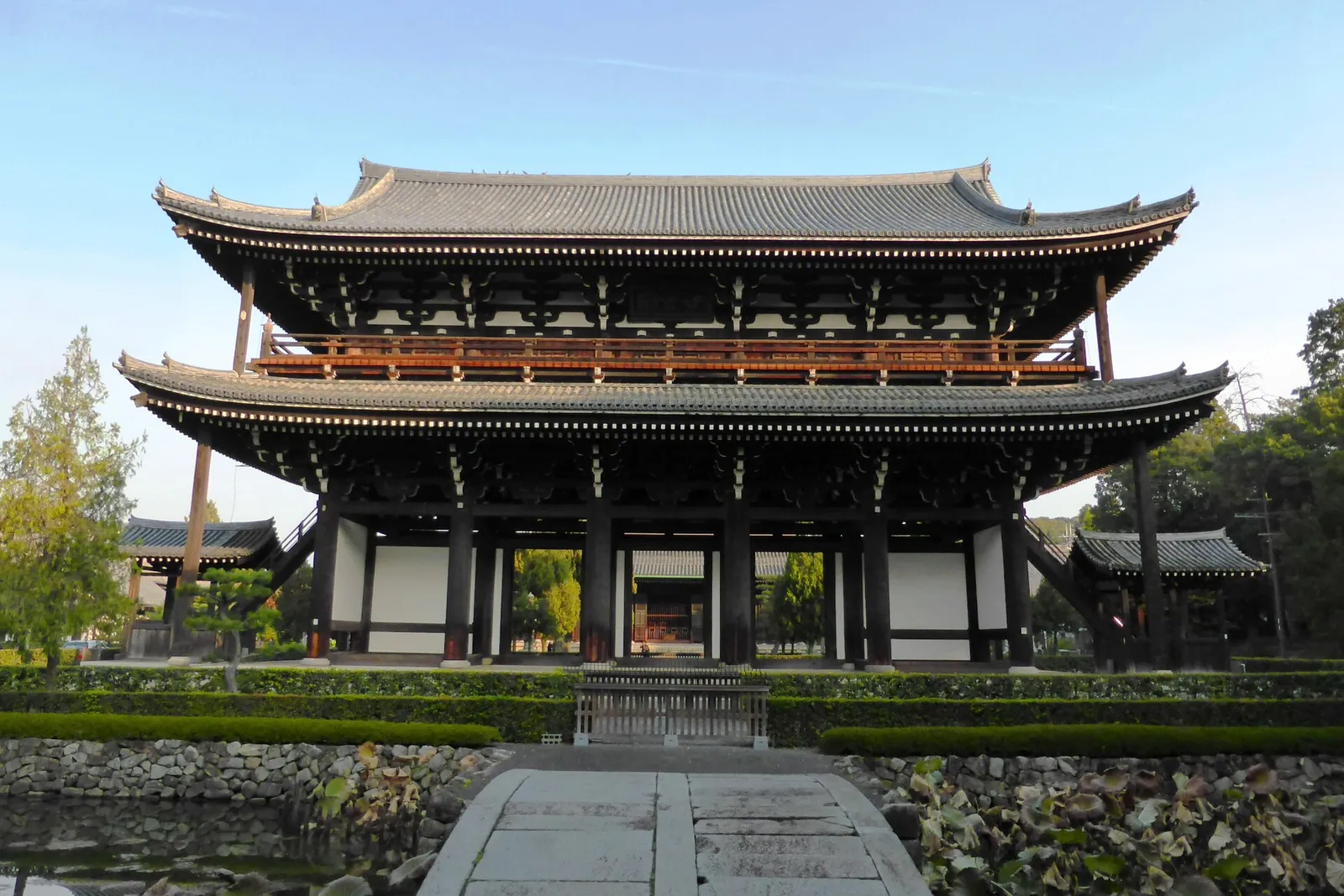
Tofuku-ji is known for the view from the Tsutenkyo Bridge, which links the Hojo and the Kaisando. According to the temple, the leaves and fresh green of the Sengyokukan ravine are the highlight from the bridge. The temple also describes its rare three-leaf maples, which turn golden.
Check the rules for each part as well. The adult ticket for the Tsutenkyo Bridge and Kaisando is 1,000 yen from November 14 to December 6. The combined ticket for the Hojo gardens and the bridge is not sold in those dates, so each part has its own ticket.
During the special opening, visitors may be asked not to take photos on the Tsutenkyo and Gaun bridges. Decide before you cross whether you want a photo from the viewing points on the grounds, and follow the staff if they ask you to keep moving.
Tofuku-ji also asks visitors to refrain from eating, drinking, and using tripods on the grounds. Because re-entry is not allowed, finish your walk before you leave the gate.
A Walk That Still Works If the Colors Shift
A flexible plan beats a precise one. Here is a simple way to build it:
- Choose a base day and a spare day. Put Tofuku-ji on the day you feel most confident about, and keep the spare day for a second visit or a different area.
- Begin with the temple whose bridge is the main attraction. If the leaves look thin, you can still enjoy the garden and move on without feeling rushed.
- Pair it with a neighboring stop instead of crossing the city. Tofuku-ji and Fushimi Inari sit on the same rail line, and Inari is the next station after Tofukuji, about 2 to 3 minutes by local train.
- Leave space for a meal or a rest. A calm break makes it easier to adjust if the day goes differently than planned.
For a wider plan, our Kyoto leaf-viewing itinerary groups the main areas, and Kyoto in November gathers the details for that month. If you want a detailed look at the temple itself, the Tofuku-ji temple guide covers the grounds in more depth.
If the Leaves Run Early or Late
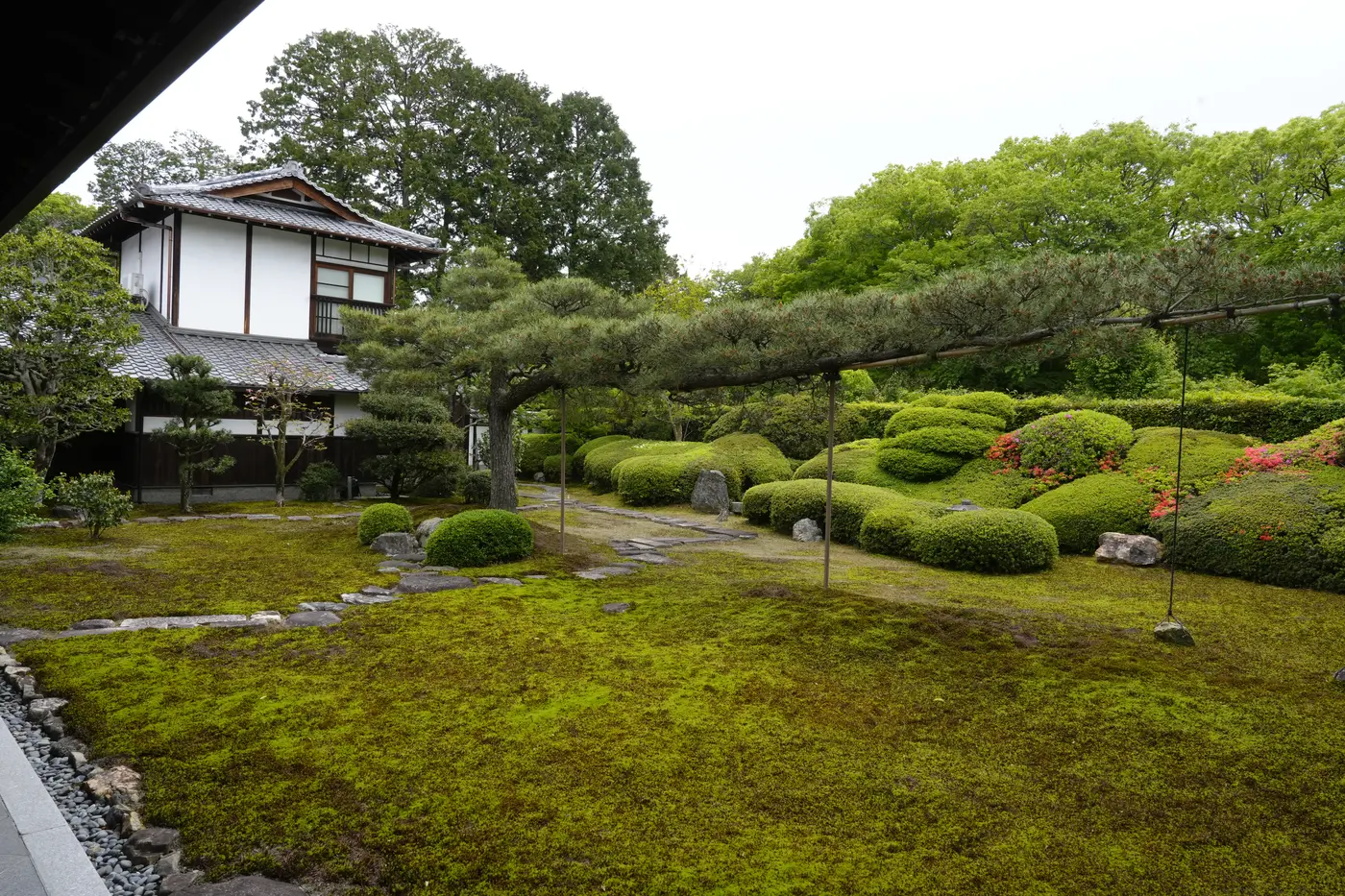
Some years the colors arrive ahead of the forecast, and some years they trail it. A calm response is to widen your choices rather than chase one date. Gardens with a lot of evergreen pine and moss, such as the ones in our guide to Zen gardens in Kyoto, stay beautiful when the maples are still green or have already dropped. A visit to a hall or a garden gives you something to enjoy even when the trees are not at their brightest.
If you arrive and the leaves are only starting to turn, enjoy the green and the first touches of red, and plan your next day around a different area. If the trees have already dropped their leaves, look at the ground, where fallen leaves cover the moss, and at the bare branches against the sky.
Add a Quiet Temple Stop to Your Day
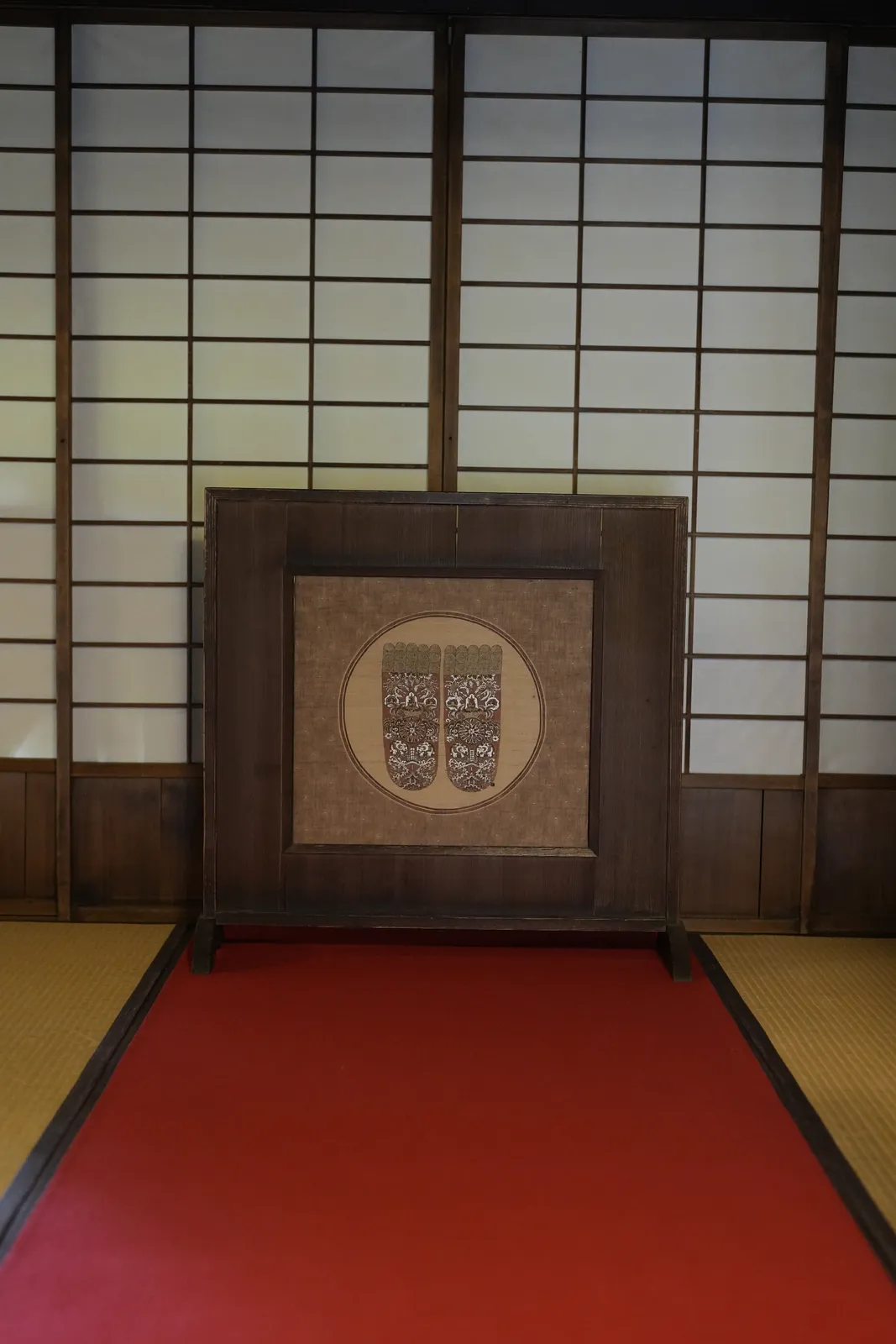
Add a quiet temple stop to your day. We operate Maiko & Zen Kyoto, a 90-minute session at Ikka-in, a sub-temple of Tofuku-ji, where a maiko dances in the same temple hall with no stage between you, then takes time for your questions and photos. See current session times and prices.
We operate Maiko & Zen Kyoto at Ikka-in, a sub-temple of Tofuku-ji, so a leaf-viewing day in south Kyoto can include the session as one part of the afternoon. The session runs at 2:00 pm and 3:30 pm.
Frequently asked questions
Is there an official date for when Kyoto's leaves turn?
The temple dates in this guide are opening dates, not a forecast of peak color. Tofuku-ji notes that its autumn viewing dates and hours change every year, so use the temple's own page for the dates you plan around.
What changes at Tofuku-ji in the middle of November?
Its visitor guide lists a period from November 14 to December 6, when the Tsutenkyo Bridge opens at 8:30 am and the Tsutenkyo and Kaisando ticket for adults is 1,000 yen. The temple notes that these dates change every year, so check its page before you go.
Does Kiyomizu-dera open for night viewing in the fall?
It lists an autumn night viewing from November 21 to 30, 2026, open from 6:00 am to 9:30 pm with last entry at 9:00 pm, and notes that the dates change every year.
Can I take photos on the Tofuku-ji bridges?
During the autumn special opening, visitors may be asked not to take photos on the Tsutenkyo and Gaun bridges, so follow the staff on site.
How far is Tofuku-ji from Kyoto Station?
On the JR Nara Line it is about 3 minutes from Kyoto Station to Tofukuji Station, then about 10 minutes on foot.
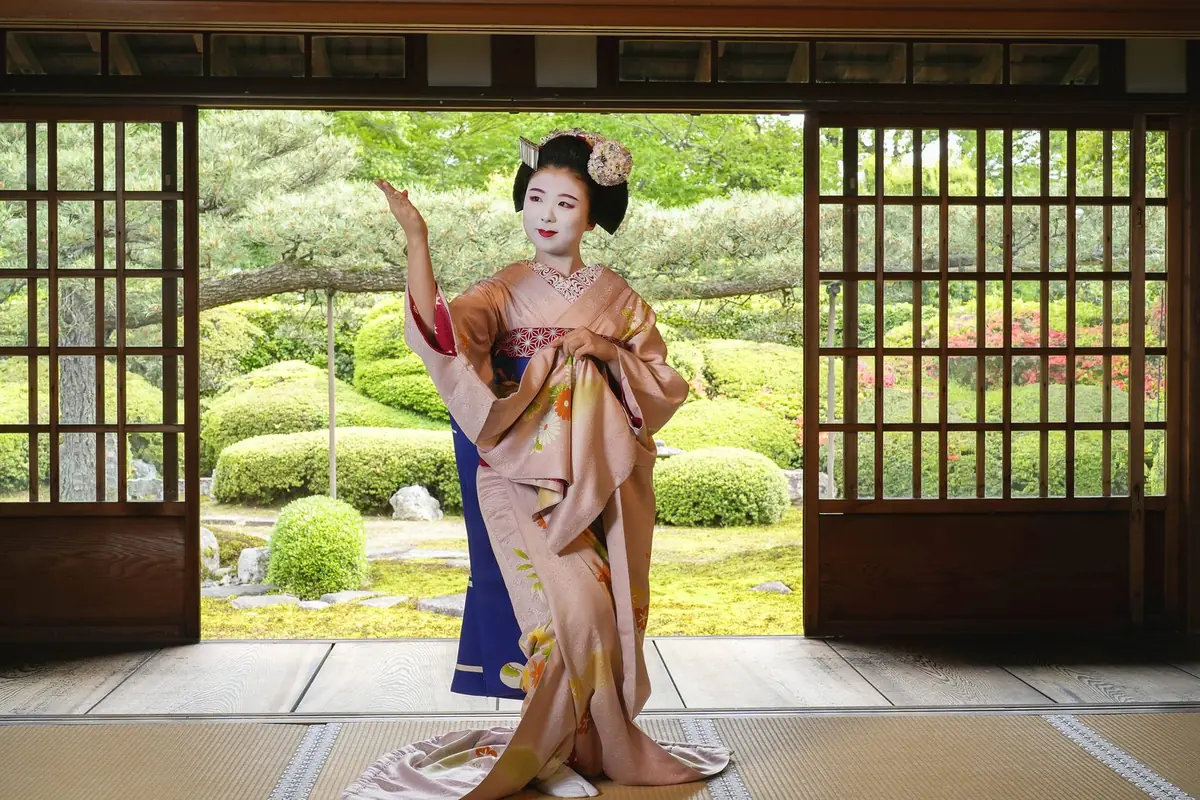
A maiko dance session at a Zen temple near Kyoto Station
Rake a Zen garden, watch two maiko dances and share green tea at Ikka-in, a temple rarely open to the public, one stop from Kyoto Station. Sessions start at 2:00 pm and 3:30 pm.
See the 2:00 pm and 3:30 pm sessions →Sources
- Tofuku-ji: visitor guide — Tofuku-ji
- Tofuku-ji: access — Tofuku-ji
- Kiyomizu-dera: access and night viewing — Kiyomizu-dera
- Tenryu-ji: visiting — Tenryu-ji